



Lula’s Defiant Assault on Brazil’s Electoral Safeguards: Rule of Law Under Siege
By Hotspotnews
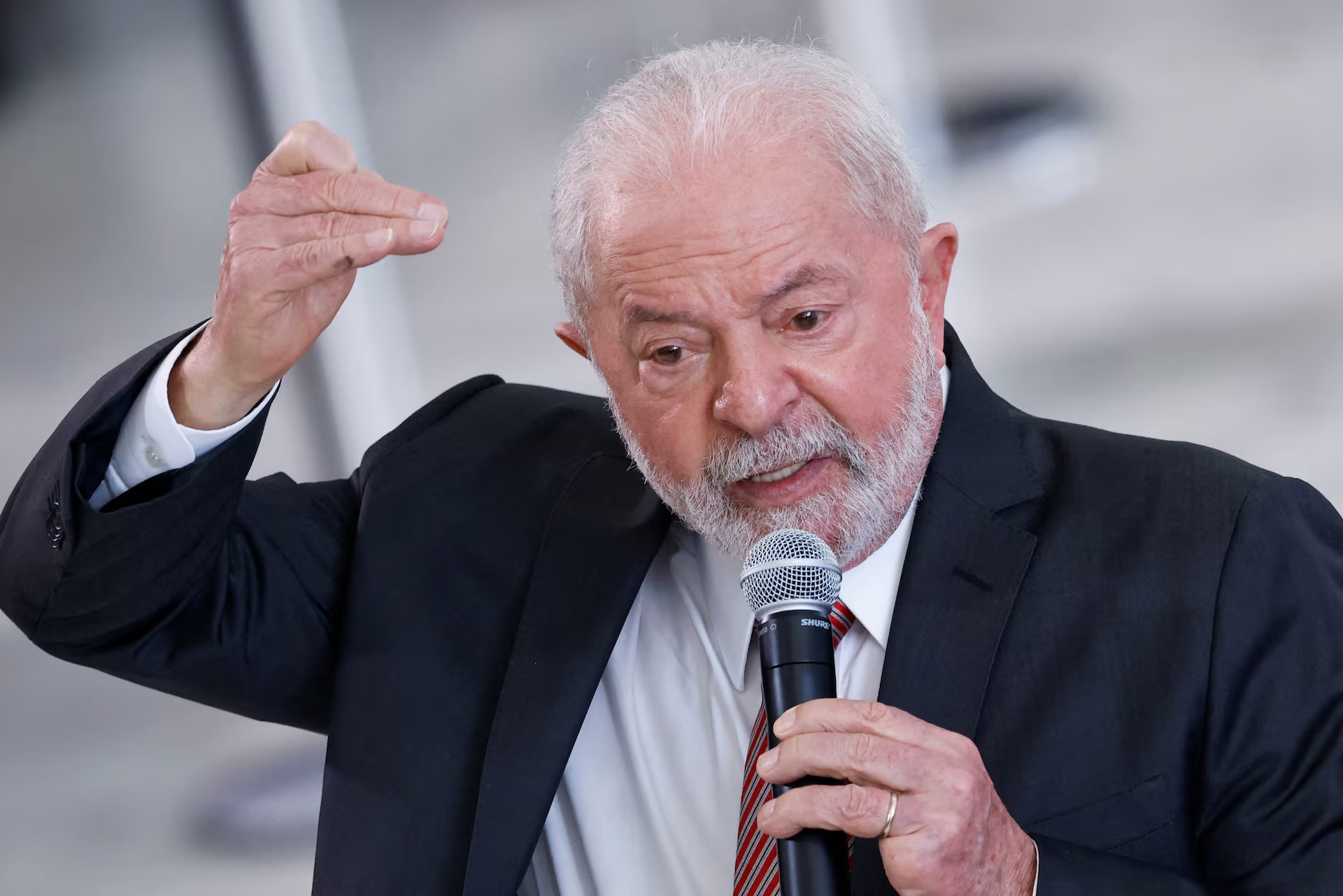
In a brazen display of arrogance that should alarm every Brazilian who values fair elections and institutional integrity, President Luiz Inácio Lula da Silva has openly dismissed the country’s electoral restrictions as “disgraceful nonsense.” Rather than respecting the laws designed to prevent incumbents from exploiting the machinery of government for personal political gain, Lula is doubling down, refusing to curtail his packed schedule of public appearances just months before the critical first round of the 2026 presidential election.
This is not mere rhetoric from a seasoned politician—it’s a direct challenge to the foundational rules meant to level the playing field. Brazilian electoral law exists for a clear purpose: to stop sitting presidents and officials from weaponizing state resources, taxpayer-funded events, and official platforms to campaign while opponents scramble without such advantages. The Superior Electoral Court (TSE) has enforced these provisions in the past, including against former President Jair Bolsonaro, whose every word and action faced microscopic scrutiny. Yet when Lula thumbs his nose at the same standards, the silence from institutional watchdogs is deafening.
Conservative voices and opposition figures rightly call this what it is: selective enforcement that reeks of political persecution. Bolsonaro and his allies endured relentless investigations, fines, and bans for far less, often over technicalities or expressions of concern about electoral integrity. Lula, meanwhile, operates with impunity, treating legal boundaries as suggestions rather than obligations. His administration’s continued use of government events, media exposure, and public resources smells of the very incumbency advantage the law was written to curb. With the election clock ticking, this defiance signals a dangerous bet—that accountability mechanisms will remain weak, politicized, or simply ignored for those aligned with the establishment left.
Brazil’s democracy cannot survive under such two-tiered justice. When one side faces the full force of the courts for alleged violations while the other mocks the rules outright, public trust evaporates. Lula’s refusal to rein in his agenda isn’t leadership; it’s entitlement born of years entrenched in power, where personal legacy and leftist ideology trump the principle of equal application of law. Supporters of limited government, free and fair contests, and an end to corrupt machine politics must see this for the red flag it is.
As 2026 approaches, Brazilians deserve transparency and neutrality from their institutions—not a president who treats electoral guardrails as obstacles to be bulldozed. The opposition’s warnings highlight a growing consensus: without consistent enforcement, these rules become tools of the powerful rather than shields for the people. True conservatives will continue demanding accountability across the board, not just when it suits one political tribe. Brazil’s future as a sovereign republic hangs in the balance.


