




Lula’s Election-Year Spending Blowout: Brazil’s Fiscal Hole Hits R$ 80.9 Billion
By Hotspotnews
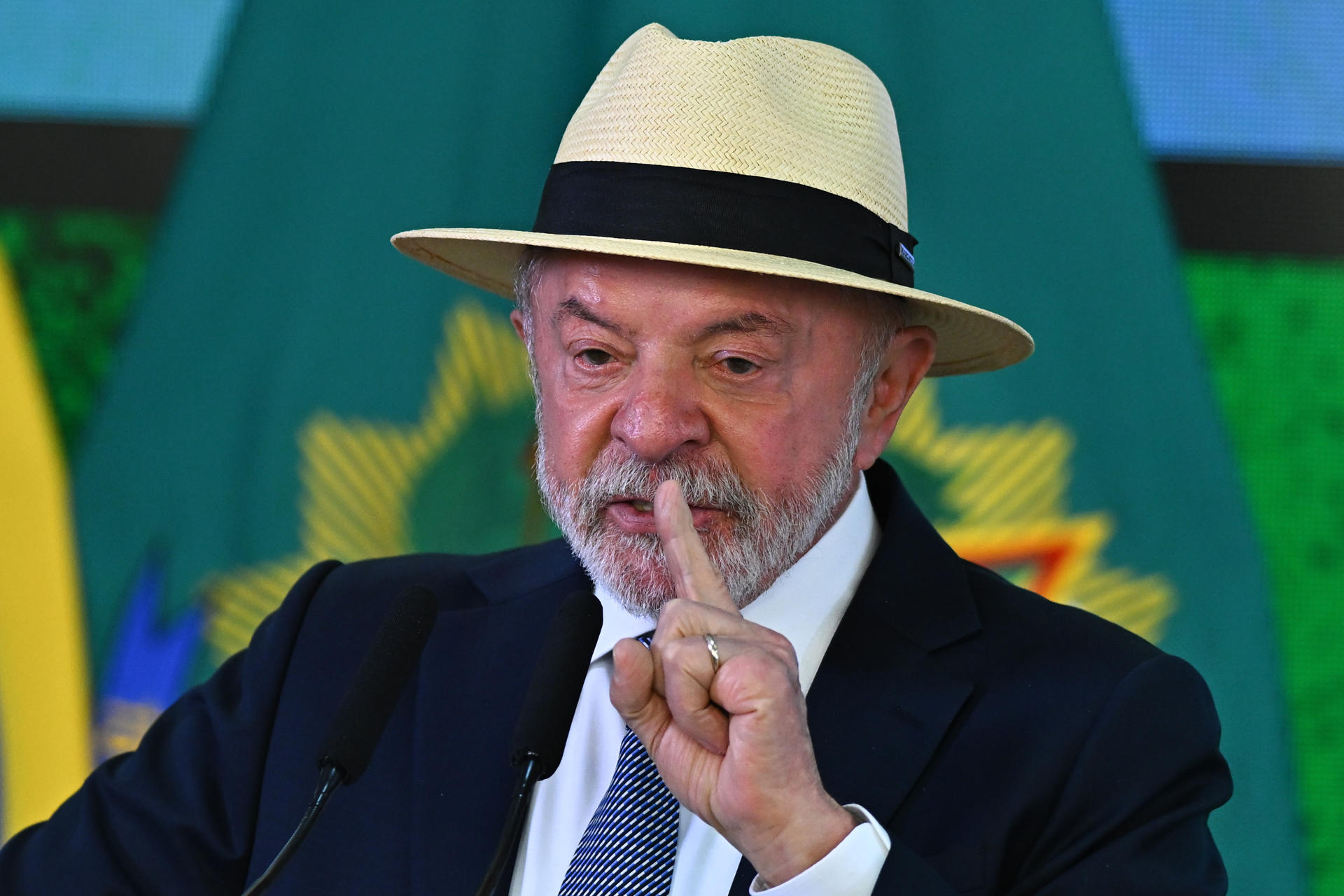
Brazil’s public accounts are deteriorating just as President Luiz Inácio Lula da Silva campaigns for re-election. The government’s own fourth-bimester report, released September 24, 2026, raised the projected primary deficit for the year from R$ 52 billion to R$ 80.9 billion. That figure, confirmed by Jornal Nacional and reported by CNN Brasil, G1 and Valor Econômico, represents 0.59 percent of GDP.
The official target remains a modest surplus of 0.25 percent of GDP, or about R$ 34.3 billion, with a tolerance band that allows the result to fall to zero. After legal deductions—precatórios, extraordinary credits and other exclusions totaling R$ 67.3 billion—the government still faced a R$ 13.6 billion shortfall from the floor of the target. It responded with a R$ 13.6 billion contingency freeze. In other words, Brasília will formally meet the rule while running a much larger actual hole.
Two election-season measures drove the revision. The Bolsa Família floor was raised from R$ 600 to R$ 691, adding an estimated R$ 5.8–6 billion in 2026 costs. Fuel subsidies financed through extraordinary credits added roughly R$ 20 billion more. Revenue projections were also cut by about R$ 6–7 billion. Primary spending is now forecast at 19.55 percent of GDP, the highest level since the pandemic year of 2020.
This is not an accounting footnote. The effective deficit is what adds to the debt stock. Brazil’s gross debt already stood at 82.5 percent of GDP in July 2026, according to the Central Bank. Independent analysts and the Senate’s Fiscal Institution have repeatedly warned that the combination of higher spending, legal carve-outs and optimistic revenue assumptions leaves the next administration with a heavier burden.
Conservative critics have long argued that the current fiscal framework rewards creative accounting over genuine restraint. Excluding large categories of spending from the headline target allows the government to claim compliance while the underlying trajectory worsens. In an election year the temptation to deliver visible benefits—higher cash transfers and cheaper fuel—proved stronger than the discipline the framework was supposed to enforce.
The numbers are now on the table. A R$ 80.9 billion effective deficit, rising spending as a share of the economy, and a debt ratio already above 82 percent do not constitute fiscal prudence. They constitute a political choice whose costs will be paid after the votes are counted.
Sources: Relatório de Avaliação de Receitas e Despesas Primárias (4º bimestre 2026), Ministério do Planejamento e Ministério da Fazenda; Jornal Nacional; CNN Brasil; G1; Valor Econômico; Banco Central do Brasil.
#FiscalResponsibility #BrazilEconomy #Lula2026 #PublicDebt #ElectionSpending #ContasPublicas #ArcaboucoFiscal


