


Lula’s Phone Call to Trump Can’t Mask Brazil’s Leftist Double Game
By Hotspotnews
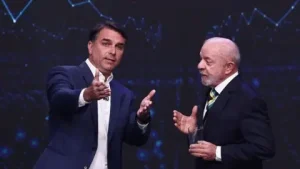
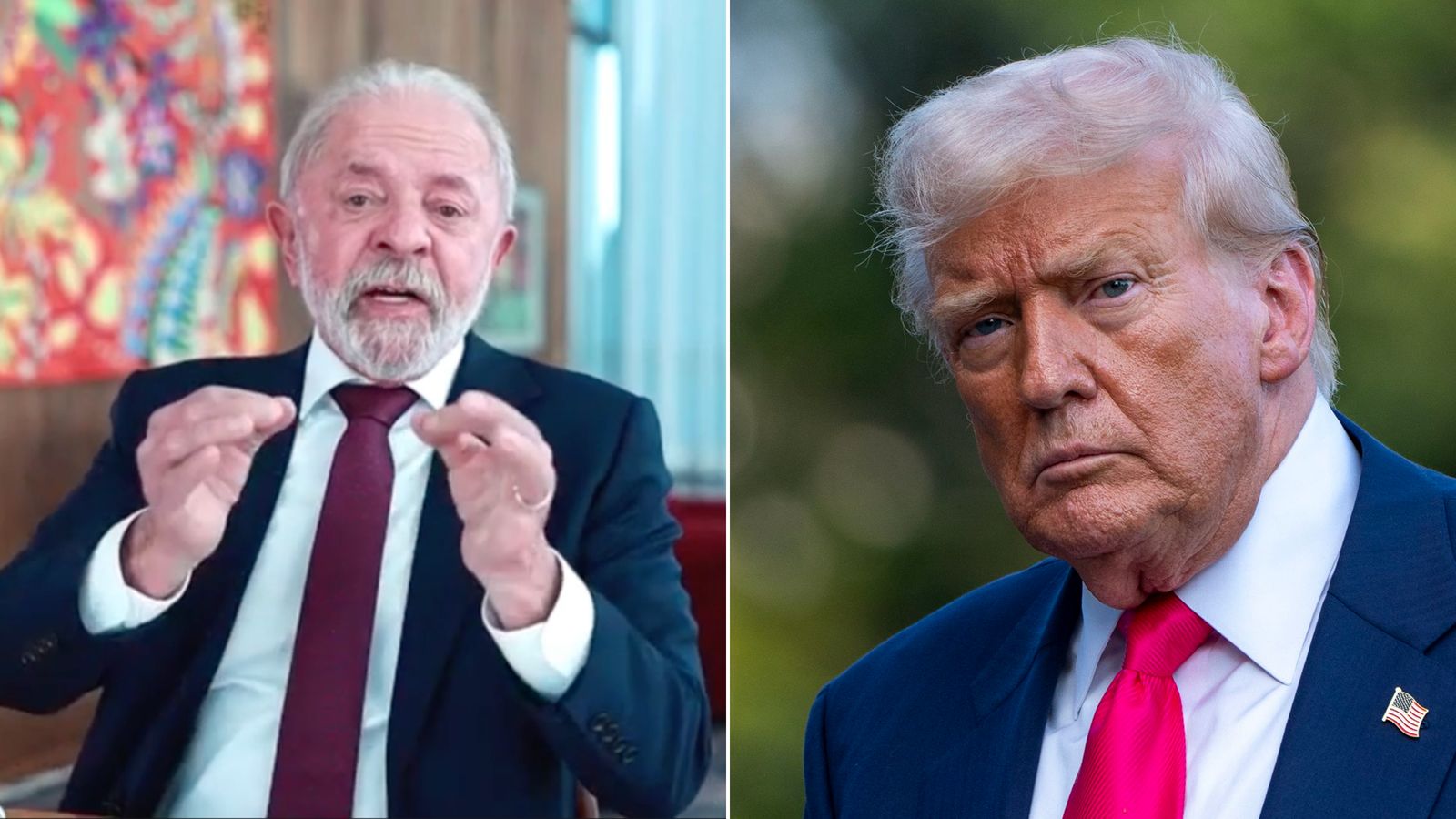
On the morning of August 21, 2026, Brazilian President Luiz Inácio Lula da Silva dialed up President Donald Trump for a lengthy conversation that lasted one hour and twenty minutes. According to the Brazilian presidential palace, the tone was “friendly and cordial.” Lula spent much of the call insisting that recent U.S. tariffs on Brazilian goods were based on “unfounded” allegations involving deforestation, corruption, the Pix payment system, ethanol barriers, and forced labor practices. He pleaded for continued negotiations, arguing that the duties harm both economies. Trump, by the Brazilian account, agreed that strong commercial ties should be preserved and suggested that technical teams from both sides reconvene soon.
Do not be fooled by the polite language. This was classic Lula: soft words when the pressure is on, followed by the inevitable return to provocation once the cameras and domestic audience demand it.
President Trump has never been one for endless process for its own sake. His record shows a clear pattern—use American economic leverage, demand reciprocity, and refuse to subsidize partners who undermine U.S. interests or the rule of law. The tariffs on Brazil were not impulsive. They followed documented concerns about unfair trade practices, weak enforcement against illegal activities, and the highly politicized prosecution of former President Jair Bolsonaro, a close Trump ally who faced what many conservatives correctly viewed as a selective “witch hunt” after challenging the 2022 election results. Trump has repeatedly made clear that the United States will not remain a passive market for countries that treat American businesses unfairly or weaponize their justice systems against political opponents.
Lula’s approach has been transparent from the start. In private he seeks dialogue and claims respect for Trump. In public he has called the American president an “emperor,” accused him of meddling, and framed every tariff as an attack on Brazilian sovereignty timed to interfere with Brazil’s October presidential election. He has repeatedly singled out Secretary of State Marco Rubio as the supposed villain while portraying Trump as the more reasonable figure—an obvious attempt to drive a wedge inside the administration. This is the same Lula who has deepened Brazil’s ties with China and the BRICS bloc, downplayed the threat of organized crime groups like the PCC, and spent years defending a leftist model that delivered stagnation, rising insecurity, and institutional capture at home.
The timing of today’s call is no coincidence. Brazil is heading into a hard-fought election in which Lula faces strong conservative opposition, including figures linked to the Bolsonaro family. Facing new U.S. duties that hit key exports, Lula needed a temporary de-escalation to claim “progress” and stabilize markets. Yet his track record strongly suggests that once the immediate heat cools, the public criticism will resume. Conservatives watching Latin America have seen this movie before: leftist leaders negotiate when cornered, then return to anti-American rhetoric to fire up their base and distract from domestic failures.
Enter the new player. Just days ago, Juan Pablo Segura was sworn in as Assistant Secretary of State for Western Hemisphere Affairs. A Republican businessman with a clear mandate, Segura replaces a career interim figure and has already signaled alignment with President Trump’s vision: a region free of cartels and narco-terrorists, secure borders, and prosperity that benefits Americans and genuine partners. His appointment, under Secretary Rubio’s leadership, marks a shift toward seriousness. No more treating the Western Hemisphere as an afterthought or allowing ideological affinity with leftist governments to override American interests. Segura’s focus on security and reciprocity is exactly what the region needs after years of soft approaches that allowed Chinese influence, criminal networks, and anti-American posturing to expand.
Trump’s method works. Pressure produces results. Previous rounds of tariffs forced partial rollbacks and technical talks precisely because they imposed real costs. Inviting open-ended negotiations without leverage would simply reward Lula’s strategy of delay and distraction. The United States runs a trade relationship with Brazil that has long favored certain Brazilian sectors while American exporters faced barriers. Reciprocity is not aggression—it is fairness. The same principle applies to the rule of law. When a major partner appears to use its courts as a political tool against a former head of state aligned with American conservatives, Washington is right to take notice.
Lula will almost certainly test the new team. Within days or weeks we should expect fresh public barbs about “imperial” behavior, sovereignty, or election interference—language carefully calibrated for Brazilian voters and the international left. That is his style. Trump’s style is different: clear red lines, measurable outcomes, and no patience for theatrical diplomacy that produces nothing. The technical teams may meet, and limited progress on specific products is possible. But any lasting improvement will require Brazil to address the underlying problems rather than simply complain about the consequences.
For American conservatives, the lesson is straightforward. Strong leadership that prioritizes U.S. workers, borders, and allies who share basic principles of free markets and democratic accountability produces better results than endless engagement with partners who play both sides. Lula’s phone call changes nothing fundamental. The new secretary for the Western Hemisphere is a signal that the Trump administration intends to keep the pressure where it belongs. Brazil can choose genuine partnership or continue the cycle of grievance. The choice, and the costs, remain theirs.
#Trump #Brazil #Lula #AmericaFirst #TradeReciprocity #WesternHemisphere #Bolsonaro #RuleOfLaw #Tariffs
Sources: Official statements from the Brazilian presidential palace (Secom/Planalto) as reported by major Brazilian outlets including G1 and Folha de S.Paulo; contemporaneous reporting from Reuters and other international wire services on the August 21 call and prior tariff actions; public announcements regarding the appointment and priorities of Assistant Secretary Juan Pablo Segura; historical record of U.S.-Brazil trade measures and statements by President Trump and Secretary Rubio throughout 2025-2026.


