


SCANDALOUS DICTATORSHIP!
Lula’s Thought Police: Federal Agents Now Monitor “Offenses” Against the President on Official Trips
By Hotspotnews
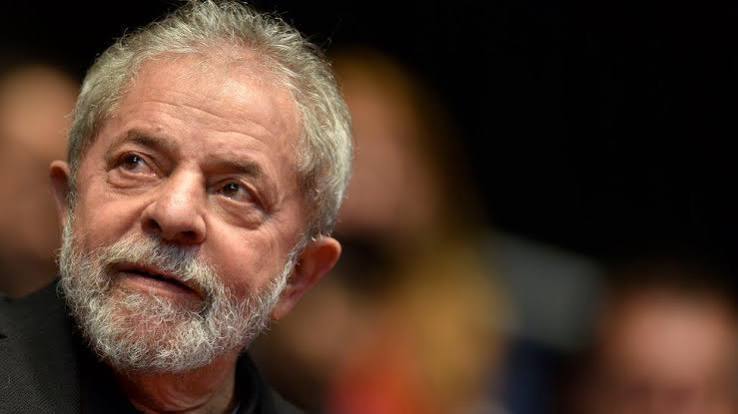
In a blatant power grab disguised as security, the Federal Police under President Luiz Inácio Lula da Silva have expanded their role from protecting the chief executive to actively policing speech directed at him. Teams of federal agents accompanying Lula on domestic and international trips are now tasked with documenting protests, chants, signs, and public criticisms. Anything deemed an “offense to honor”—from pointed accusations of corruption to straightforward insults—can spark formal investigations under Brazil’s broad “crimes against honor” laws.
Reports confirm this shift is deliberate and proactive. The number of inquiries into such alleged offenses has doubled in Lula’s recent years in power compared to the full term of his predecessor. What was once handled as routine crowd management has become a surveillance operation targeting dissent.
TSE’s Role? Not Directly, But the Pattern Fits
The Superior Electoral Court (TSE) is not the direct author of this specific Federal Police directive. This comes from the executive branch and the PF’s protection units focused on travel perimeters. Yet it perfectly aligns with the TSE’s well-documented pattern of selective censorship, narrative control, and favoring government-aligned voices during election cycles and beyond. The TSE has long been accused by conservatives of acting as a political referee with a heavy thumb on one side of the scale—silencing opposition under the banner of “democracy” while overlooking similar excesses from allies.
This PF monitoring doesn’t need formal TSE endorsement to thrive in the current environment. It operates in the same ecosystem of institutional capture that conservatives have warned about for years.
The Consequences Are Dire for Brazil’s Future
This policy is not harmless protocol. It carries severe repercussions that strike at the heart of a free republic:
- Nobody Should Attend at Risk of Being Arrested (or Investigated): If federal agents are logging “ofensas” with an eye toward inquiries, then attending protests or even being near presidential events becomes a calculated risk. A sign, chant, or criticism could get you identified, recorded, and drawn into legal proceedings. Rational Brazilians will simply stay home. Crowds shrink. Only the boldest (or most reckless) show up. Dissent is marginalized without formal bans—classic soft authoritarianism through intimidation and self-censorship.
- Two-Tiered Justice Exposed: Harsh rhetoric against previous conservative leaders often faced little institutional pushback. Now, the machinery of the state mobilizes swiftly for Lula. This double standard fuels cynicism and confirms what many already suspect: rules apply differently depending on political alignment.
- Erosion of Free Expression: Robust debate is the lifeblood of democracy. Criminalizing or investigating blunt political language—especially when rooted in documented controversies—weakens accountability. Leaders should withstand scrutiny, not deploy police to shield their reputations.
- Resource Misallocation and Overreach: Federal agents, meant to combat violent crime, cartels, and border threats, are reassigned as sensitivity readers for protests. Many cases will fizzle out, but the investigative process itself harasses targets, drains public funds, and normalizes surveillance of political opponents.
- Deeper Societal Division and Democratic Decay: Policies like this don’t heal polarization—they exacerbate it. They breed resentment, drive discourse underground, and erode trust in institutions. Internationally, Brazil appears less like a confident democracy and more like a thin-skinned regime. Domestically, it energizes opposition by highlighting government fragility.
Lula’s administration, burdened by a long history of scandals involving corruption and influence, seems determined to control the narrative rather than confront uncomfortable truths. But suppressing voices won’t erase public memory or policy failures. Conservatives have consistently stood for unfiltered speech, limited government, and leaders who earn respect through results—not police enforcement.
Brazilians deserve RESPECT, FREEDOM, DEMOCRACY! A republic where citizens can criticize power without fear of federal monitors, where institutions serve the people rather than insulate politicians. This development is a warning sign. Without pushback, the slide toward managed speech and selective justice will only accelerate. The defense of liberty demands vigilance—starting with rejecting any normalization of turning police into the president’s personal censors.


