

Secretary of State Marco Rubio’s Stands Against Brazil’s Judicial Overreach: A Conservative Defense of Freedom
By Hotspotorlando News
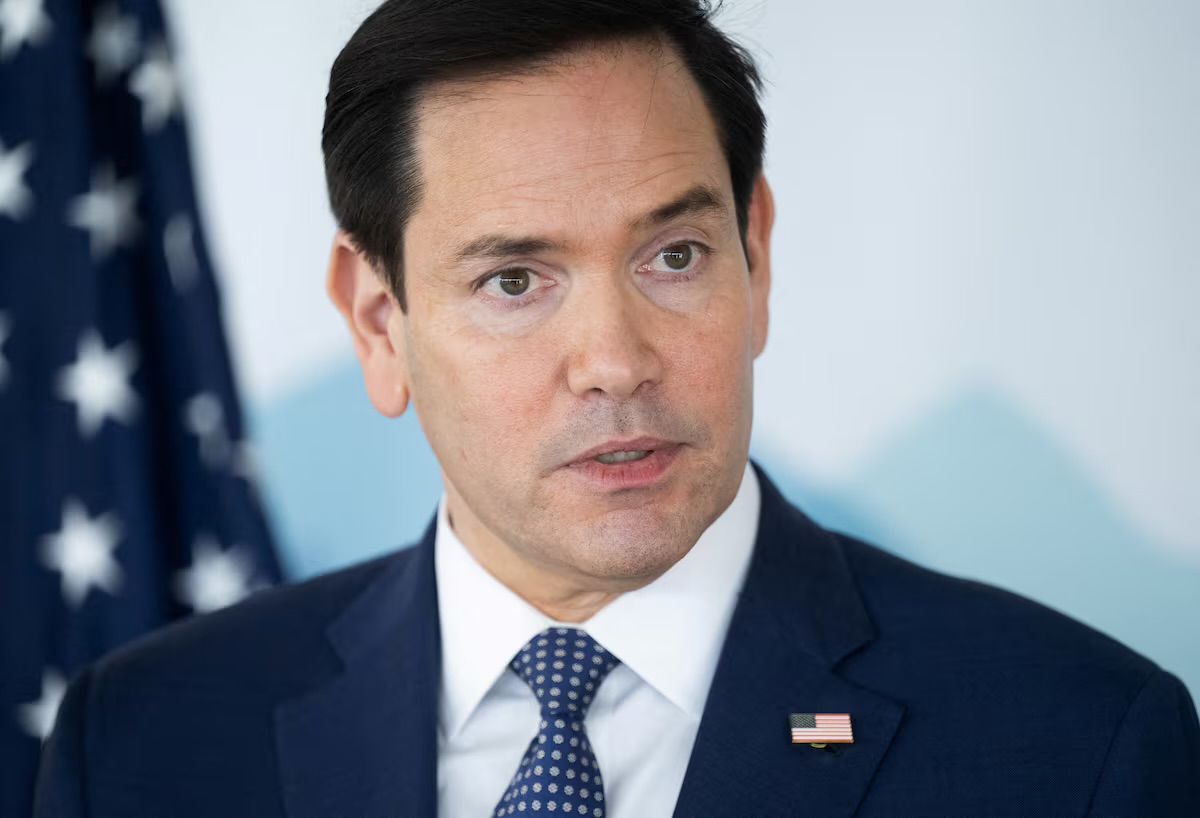
In a bold move signaling America’s renewed commitment to liberty under President Donald Trump’s second term, Secretary of State Marco Rubio has put Brazil’s Supreme Court Justice Alexandre de Moraes on notice. During a May 21, 2025, congressional hearing, Rubio confirmed that the U.S. is actively considering sanctions against Moraes, with a “great possibility” of implementation, potentially under the Magnitsky Act. This isn’t just diplomatic posturing—it’s a principled stand against a foreign judge whose actions threaten free speech, democratic values, and the sovereignty of nations, including our own.
Moraes, a polarizing figure in Brazil, has wielded his judicial power like a sledgehammer, targeting conservatives, silencing dissent, and even attempting to strong-arm American companies. His orders to block X and suspend Rumble in Brazil for refusing to comply with vague “disinformation” crackdowns are not just domestic overreach—they’re an affront to the principles of free expression that America champions. These platforms, vital to conservative voices globally, were punished for standing firm against censorship. Moraes’ actions echo the tactics of authoritarian regimes, not a democracy allied with the United States.
Rubio, a staunch conservative and longtime defender of liberty, sees through this. His push for sanctions is rooted in the belief that the U.S. must confront threats to freedom, whether they come from Beijing, Havana, or, in this case, Brasília. The Magnitsky Act, designed to hold human rights abusers and corrupt officials accountable, is a fitting tool. By freezing Moraes’ U.S.-based assets and barring his travel, the U.S. can send a clear message: no one, not even a judge, is above the principles of justice and liberty.
The context is critical. Moraes’ rulings have targeted allies of former Brazilian President Jair Bolsonaro, a conservative leader who, like Trump, champions national sovereignty and resists globalist agendas. From ordering the arrest of opposition figures to suspending bank accounts of conservative activists, Moraes has acted less like a judge and more like a political enforcer. His moves are widely seen as paving the way for Brazil’s left-wing government to tighten its grip ahead of the 2026 election. This isn’t just Brazil’s problem—it’s a warning to conservatives everywhere about the dangers of judicial activism unchecked.
Critics of Rubio’s stance, including Brazil’s government, cry foul, accusing the U.S. of meddling in their judiciary. But let’s be clear: when a foreign judge’s actions infringe on American companies and universal rights, it’s not meddling—it’s accountability. Brazil’s claim that Moraes’ orders don’t directly apply to U.S. firms was rebuffed by a U.S. court, yet the threat remains. X and Rumble faced real consequences for defending free speech, and that’s a line conservatives cannot let stand.
The chatter on X reflects the outrage among freedom-loving Americans and Brazilians alike. Users are calling for swift action, with some even speculating about broader measures like visa cancellations for Brazilian officials complicit in Moraes’ schemes. While these ideas float in the digital ether, Rubio’s focus on sanctions is the concrete step forward. It’s a measured yet powerful response, avoiding reckless escalation while signaling that the U.S. won’t tolerate assaults on liberty.
This isn’t just about one judge or one country. It’s about the global fight for freedom in an era when Big Tech, activist judges, and leftist governments collude to silence dissent. Rubio’s leadership, backed by conservative lawmakers like Congressman Rich McCormick, who has also condemned Moraes, shows that America is ready to lead again. The left may scoff, but conservatives know the stakes: if we don’t stand up to tyrants in robes today, we risk losing our own freedoms tomorrow.
As the Trump administration navigates this diplomatic tightrope, conservatives should rally behind Rubio’s resolve. Sanctions on Moraes would not only hold him accountable but also inspire others to resist judicial overreach worldwide. Brazil is a key ally, but alliances don’t mean turning a blind eye to authoritarianism. With Rubio at the helm of the State Department, America is sending a message: liberty isn’t negotiable, and we’ll fight for it, no matter where the battle lines are drawn.
*Word count: ~350.