




Secretary of State Marco Rubio’s Transatlantic Olive Branch
By Hotspotnews
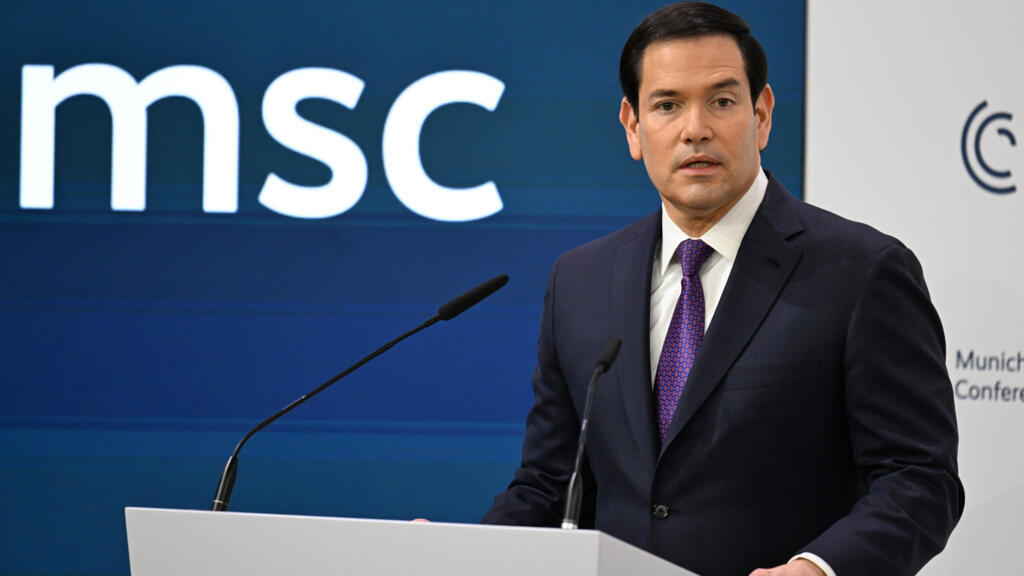
On February 14, 2026, U.S. Secretary of State Marco Rubio delivered a landmark keynote address at the Munich Security Conference, framing the U.S.-Europe relationship as essential to preserving Western civilization. In a carefully calibrated speech, Rubio described the United States as the “child of Europe,” emphasized that the two sides “belong together,” and urged a joint effort to combat what he called the internal decline of the West through issues like mass migration, ideological climate policies, and institutional complacency. Unlike the more confrontational tone from Vice President J.D. Vance the previous year, Rubio’s remarks combined firm critiques with warm affirmations of shared history, values, and destiny, earning applause, laughter, and a standing ovation from the audience.
Core Themes and Diplomatic Strategy
Rubio’s

The speech’s importance lies in its timing and tone amid heightened transatlantic strains under the second Trump administration. After a year of sharp rhetoric and policy frictions, Rubio offered reassurance that the U.S. seeks to “revitalize an old friendship” rather than abandon allies. This olive-branch approach—delivered with humor and emotional appeals—aimed to lower tensions, rebuild trust, and encourage Europe to align more closely with U.S. priorities in a rapidly shifting geopolitical landscape marked by the Ukraine war, rising Chinese influence, and questions about NATO burden-sharing. Observers described it as a potential turning point, softening delivery while preserving core “America First” demands, and signaling Washington’s preference for partnership in defending Western values.
Widespread Positive Reactions from European Leaders and Nations
The address elicited notably positive responses from key European figures and institutions, marking a clear contrast to prior years’ receptions. Many leaders and diplomats expressed relief at the warmer tone, viewing it as a constructive step toward renewed cooperation.
– European Commission President Ursula von der Leyen described the speech as “very reassuring,” praising Rubio as a “good friend” and “strong ally.” She highlighted his clear statement that the U.S. wants a “strong Europe in the Alliance,” aligning with EU efforts to bolster its role.
– German Foreign Minister Johann Wadephul called it a “very positive speech” that underlined the “common basis” of the transatlantic partnership. He summarized Rubio’s key message as “let’s do it again,” referring to the long success story of U.S.-Europe collaboration, and described it as a different category from the previous year’s more controversial remarks.
– Conference attendees and diplomats noted a collective “sigh of relief,” with one senior European diplomat saying the substance remained tough but the delivery made it easier to accept. The speech drew sustained applause and a partial standing ovation, a stark improvement over prior reactions.
– Other European voices, including senior EU officials and northern European diplomats, welcomed the affirmations of unity and shared challenges, seeing it as an invitation to joint action rather than unilateral demands.
While reactions focused primarily on European countries—given the conference’s audience and the speech’s emphasis on transatlantic ties—the overwhelmingly positive reception from major EU players like Germany and the European Commission leadership indicates broad approval across much of the continent. Leaders emphasized the need for Europe to grow more independent but appreciated the olive branch as a foundation for productive dialogue.
In a moment of global uncertainty, Rubio’s address stands out as a sophisticated diplomatic effort to rally allies around a shared civilizational mission. By blending critique with reassurance, it has helped ease immediate tensions and opened the door to deeper collaboration—potentially marking one of the most consequential U.S. foreign policy statements of the year.


