

AmaziMarina Silva’s Blind Spot: Ignoring the Amazon’s Plight in Pursuit of Global Acclaim
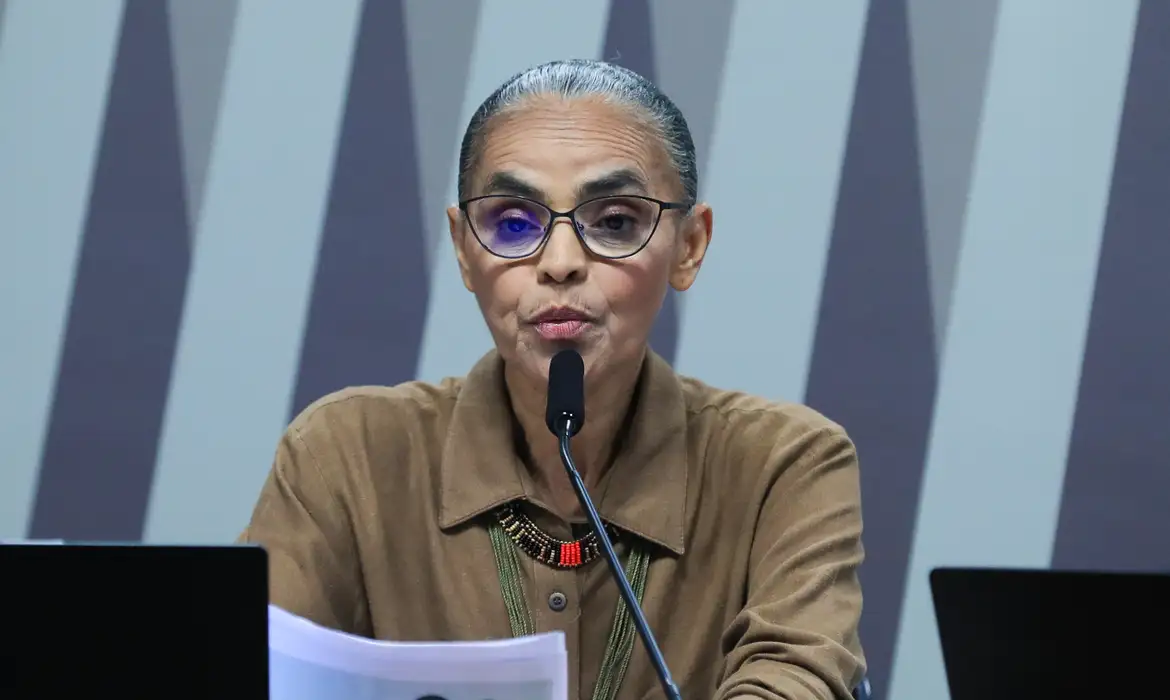
Brazil’s Environment Minister, Marina Silva, has long been hailed as a champion of the Amazon rainforest, her name synonymous with environmentalism on the global stage. Yet, as fires ravage the rainforest, mining projects encroach on sacred lands, and roads carve through pristine ecosystems, a growing chorus of conservative voices in Brazil and beyond is calling her out for what they see as a profound failure of leadership. Far from protecting the Amazon, Silva’s tenure is marked by a troubling blindness to its most pressing threats—wildfires, extractive industries, and destructive infrastructure projects like the COP30 highway. Her selective focus on international accolades and globalist agendas, critics argue, reveals not just incompetence but a betrayal of the Amazon’s people and Brazil’s sovereignty. This is the story of a minister who, in the eyes of conservatives, has turned a blind eye to the rainforest’s destruction while preaching salvation.
### The Inferno She Ignored: The 2024 Amazon Fires
In 2024, the Amazon faced its worst ecological disaster in decades, with fires fueled by an unprecedented drought consuming 2.8 million hectares of forest—a staggering 80% increase from the previous year’s losses. This catastrophe erased years of progress in curbing deforestation, exposing the fragility of Brazil’s environmental gains under Silva’s watch. Conservatives argue that Silva’s response was woefully inadequate, marked by a refusal to confront the crisis head-on and a reliance on empty rhetoric.
Posts on X in May 2025 captured the outrage: “Marina Silva stood by while the Amazon burned to ashes. Where’s the action? Where’s the accountability?” another user demanded. Critics point to delays in mobilizing firefighting resources during the critical early months of the 2024 dry season, when illegal fires set by ranchers to clear land for cattle spread unchecked. While Silva’s ministry, through IBAMA, eventually embargoed 70,000 hectares of illegally deforested land in 2025, conservatives argue this was too little, too late—a reactive measure that failed to prevent the fires’ catastrophic toll.
Silva’s defenders claim the fires were driven by climate change, an external force beyond her control, and point to her success in reducing deforestation by 30.6% in 2024 (to 6,288 km², the lowest in nine years). But conservatives see this as a smokescreen. The fires weren’t just a natural disaster—they were fueled by entrenched illegal practices that Silva’s policies have failed to eradicate. Her focus on global climate summits and securing Amazon Fund pledges, while notable, did little to address the immediate crisis on the ground. For conservatives, this is a clear case of blindness: Silva’s obsession with international optics left Brazil’s rainforest to burn, exposing her inability to prioritize the Amazon’s survival over her own reputation.
Turning a Blind Eye to Mining’s Destruction
The Amazon’s ecosystems and Indigenous communities face another existential threat: extractive industries, particularly mining. The proposed potassium mining project by Brazil Potash Corp. in Amazonas state, which includes a processing plant, road, and port, looms as a potential environmental disaster, threatening local biodiversity and Indigenous lands. Illegal gold mining, a persistent scourge, continues to poison rivers with mercury and drive deforestation. Conservatives argue that Silva’s response to these threats has been tepid at best, revealing a refusal to confront the industries ravaging the rainforest.
X users have been vocal, with one May 2025 post declaring, “Marina Silva’s letting miners tear the Amazon apart while she plays eco-hero abroad. Blind and useless!” Critics highlight her failure to block the Brazil Potash project outright, accusing her of deferring to bureaucratic processes like environmental impact assessments instead of taking a firm stand. While IBAMA, under Silva’s ministry, targeted 1,800 illegal gold mining sites in 2024 and 2025, conservatives argue these operations are a drop in the bucket compared to the scale of the problem. The persistence of “cattle laundering” and state-level policies, like Rondonia’s May 2025 amnesty for illegal ranchers using deforested land, further underscores her inability to curb the economic forces driving Amazon destruction.
Silva’s supporters insist she’s constrained by Brazil’s complex political landscape, where state governments and Lula’s pro-development allies hold significant sway. But conservatives see this as an excuse. If Silva were truly committed to the Amazon, they argue, she would use her platform to publicly denounce projects like Brazil Potash and rally public support against mining’s encroachment. Her silence, they say, is complicity—a refusal to see the devastation unfolding under her nose. This blindness aligns with a broader conservative critique: Silva’s environmentalism serves foreign interests, like NGOs and global corporations, while ignoring the Amazon’s real-time destruction.
The COP30 Highway: A Hypocritical Betrayal
Perhaps the most damning evidence of Silva’s blindness is her response—or lack thereof—to the clearing of 13 kilometers of virgin Amazon forest for a highway in Belém to accommodate the COP30 climate summit in 2025. The irony is stark: a rainforest is being sacrificed to host a global conference on saving the planet. Conservatives have seized on this as the ultimate hypocrisy, accusing Silva of standing idly by while the Amazon is carved up for international elites.
X posts in 2025 were scathing: “Marina Silva’s fine with bulldozing the Amazon for COP30, but God forbid we pave BR-319 to help actual Brazilians. What a fraud!” The highway, designed to ferry 50,000 delegates, threatens wildlife and local communities, with critics warning it could pave the way for further development, as roads historically drive illegal logging and land grabbing. Silva’s ministry has claimed limited control over the project, which falls under Pará’s state government, and federal statements clarified the road isn’t part of COP30’s official infrastructure. But conservatives aren’t buying it. As Environment Minister, Silva has the platform to condemn the project publicly and demand accountability. Her silence speaks volumes.
The contrast with her opposition to BR-319, a 560-mile highway that could connect Amazonas to southern Brazil, fuels the outrage. Conservatives argue BR-319 is a lifeline for isolated Amazonian communities, offering access to markets, healthcare, and education. Silva’s resistance, citing risks of increased deforestation, is seen as prioritizing abstract environmental concerns over human needs. “She’s blind to the poverty in the Amazon,” one X user wrote in March 2025. “COP30 gets a pass, but our people get nothing.” For conservatives, this double standard exposes Silva’s allegiance to globalist agendas—catering to climate summits while dismissing the economic aspirations of Brazil’s own citizens.
A Pattern of Blindness and Betrayal
Silva’s defenders point to her record: deforestation down 22% in 2023 and 30.6% in 2024, aggressive enforcement against illegal activities, and international funding secured for Amazon conservation. But conservatives argue these achievements are overshadowed by her failure to address the rainforest’s most urgent threats. The 2024 fires, unchecked mining, and the COP30 highway aren’t isolated incidents—they form a pattern of neglect that undermines her credibility. Her refusal to publicly confront these issues, whether due to political constraints or personal priorities, is seen as a deliberate choice to ignore the Amazon’s plight.
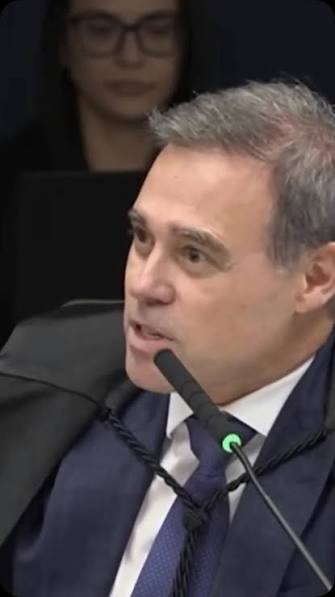
This blindness, conservatives contend, is rooted in Silva’s alignment with globalist elites. Her international accolades, from the Goldman Environmental Prize to her role at COP29, are viewed as evidence of her loyalty to foreign NGOs and climate agendas that seek to control the Amazon at Brazil’s expense. This narrative dovetails with the broader conservative critique of foreign overreach, as seen in Secretary of State Marco Rubio’s May 2025 visa restriction policy targeting Brazilian officials like Alexandre de Moraes for censoring free speech. Just as Moraes is accused of undermining Brazil’s sovereignty, Silva is seen as ceding the Amazon to global interests, blind to the needs of her own people.
The human cost of this blindness is a recurring theme in conservative critiques. Amazonian communities, particularly in states like Amazonas and Rondonia, face poverty rates as high as 40%, with limited access to infrastructure and economic opportunities. Projects like BR-319, which Silva opposes, are seen as vital for lifting these communities out of destitution. By prioritizing environmental restrictions over development, conservatives argue, Silva perpetuates a cycle of poverty that disrespects the Amazon’s residents as much as its ecosystems.
A Call for Accountability
Marina Silva’s tenure as Environment Minister is a cautionary tale of idealism gone awry. Her global reputation as an eco-warrior masks a troubling reality: a minister who has failed to see, let alone address, the Amazon’s most pressing threats. The 2024 fires, unchecked mining, and the COP30 highway are not just policy failures—they are betrayals of the rainforest and its people. Conservatives demand accountability, not just for Silva’s inaction but for her apparent prioritization of international praise over Brazil’s sovereignty and prosperity.
As one X user put it in May 2025, “The Amazon deserves a fighter, not a figurehead. Marina’s blindness is killing our future.” For conservatives, the solution lies in a new vision for the Amazon—one that balances environmental protection with economic empowerment, free from the shackles of globalist agendas. Until then, Silva’s legacy will be defined not by her rhetoric but by the rainforest she failed to save. Brazil, and the Amazon, deserve better.