



Mendonça Holds Firm on Lulinha Probes: Risks, Consequences, and What Comes Next
By Hotspotnews
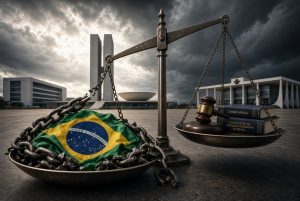
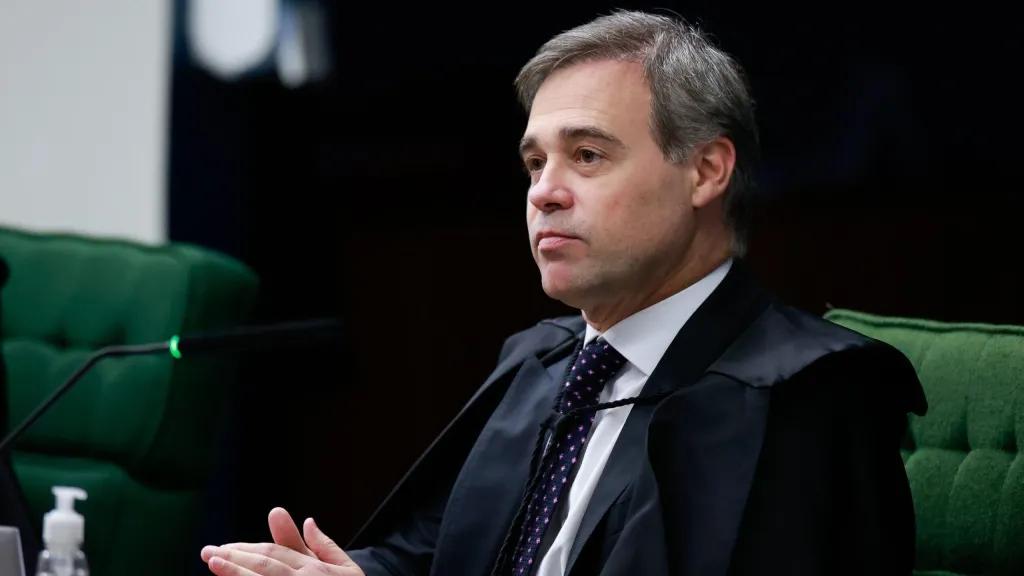
In a decision that has quickly escalated institutional tensions in Brasília, Supreme Court Justice André Mendonça has chosen to keep the criminal investigations targeting Fábio Luís Lula da Silva — known as Lulinha, the eldest son of President Luiz Inácio Lula da Silva — under the jurisdiction of the Supremo Tribunal Federal. The move directly rejects a formal request from the Procuradoria-Geral da República to transfer the cases to ordinary first-instance courts.
According to reporting from SBT News, the justice’s chambers argue that conversations contained in the investigative files cite individuals who hold privileged forum, justifying the STF’s continued competence. The PGR, for its part, maintains that no formally investigated party possesses such status and that the probes lack sufficient connection to the broader INSS fraud investigation already under Mendonça’s report.
The cases stem from Federal Police inquiries into alleged influence peddling. Investigators are examining whether Lulinha used proximity to the presidential palace and the Health Ministry to advance commercial interests, including a potential multimillion-real cannabis-based medicine supply deal and contacts involving Dataprev. These lines of inquiry emerged as offshoots of the Operação Sem Desconto probe into irregular pension deductions.
Risks of the Decision
Retaining the files at the STF carries several clear risks. First is the accusation of selective or politically motivated jurisdiction. Critics already frame the choice as an effort to keep a sensitive matter under tighter higher-court scrutiny during an election cycle. Supporters counter that declining the PGR’s request protects the integrity of the investigation against potential dilution in lower courts.
A second risk is procedural vulnerability. Brazilian courts have repeatedly revisited competence rulings in high-profile corruption cases. If later evidence shows the cited privileged-forum individuals were only peripheral or that the connection standard was not met, the decision could face successful challenges, potentially leading to nullities or remittal years down the line — a pattern familiar from reviews of Operation Car Wash.
Third is institutional strain. The episode adds to existing friction between Mendonça’s chambers and the Federal Police over the handling and fragmentation of related inquiries. Prolonged public disagreement between the STF, the PGR, and the PF risks eroding perceptions of coordinated institutional function.
Potential Consequences
In the short term, the decision keeps the investigations highly visible. Cases housed at the Supreme Court attract greater media attention and political commentary than those proceeding quietly in first-instance venues. This visibility may accelerate or intensify pressure on all parties involved.
It also preserves Mendonça’s supervisory role over interconnected probes. Continuity can aid coherent fact-finding, yet it simultaneously concentrates political heat on a single justice. Public trust in the judiciary may be tested: some will see firmness and independence; others will see overreach or bias.
Longer-term consequences depend on the evidence that emerges. If the probes advance to formal charges, the retained jurisdiction could shape the pace and scope of any eventual trial. Conversely, if the cases stall or are later transferred, the initial insistence may be portrayed as an unnecessary escalation.
What to Expect Next
Several developments are likely in the coming weeks. A formal written decision from Mendonça’s chambers should clarify the precise legal grounds, including references to the cited conversations. The PGR or the defense may file an internal appeal (agravo regimental) seeking review by a larger panel of the Court.
The Federal Police will continue its work under the current framework, potentially submitting new reports or requests for measures. Political reactions from the government, opposition, and civil society will intensify, especially given the proximity to the electoral calendar. Observers should also watch whether similar requests surface regarding the parallel inquiry under Justice Flávio Dino.
Finally, any significant new evidence — particularly material that strengthens or weakens the privileged-forum connection — could rapidly alter the jurisdictional landscape.
Mendonça’s choice keeps the Lulinha investigations firmly inside the Supreme Court for now. Whether that decision ultimately strengthens accountability or fuels further institutional conflict remains an open and closely watched question.
Sources: SBT News (Raquel Landim reporting), Correio Braziliense, Valor Econômico, O Globo, Diário do Poder, and contemporaneous institutional statements summarized in those outlets.
#STF #Lulinha #AndréMendonça #PGR #JustiçaBrasileira #ForoPrivilegiado #OperaçãoSemDesconto #PolíticaBrasil


