





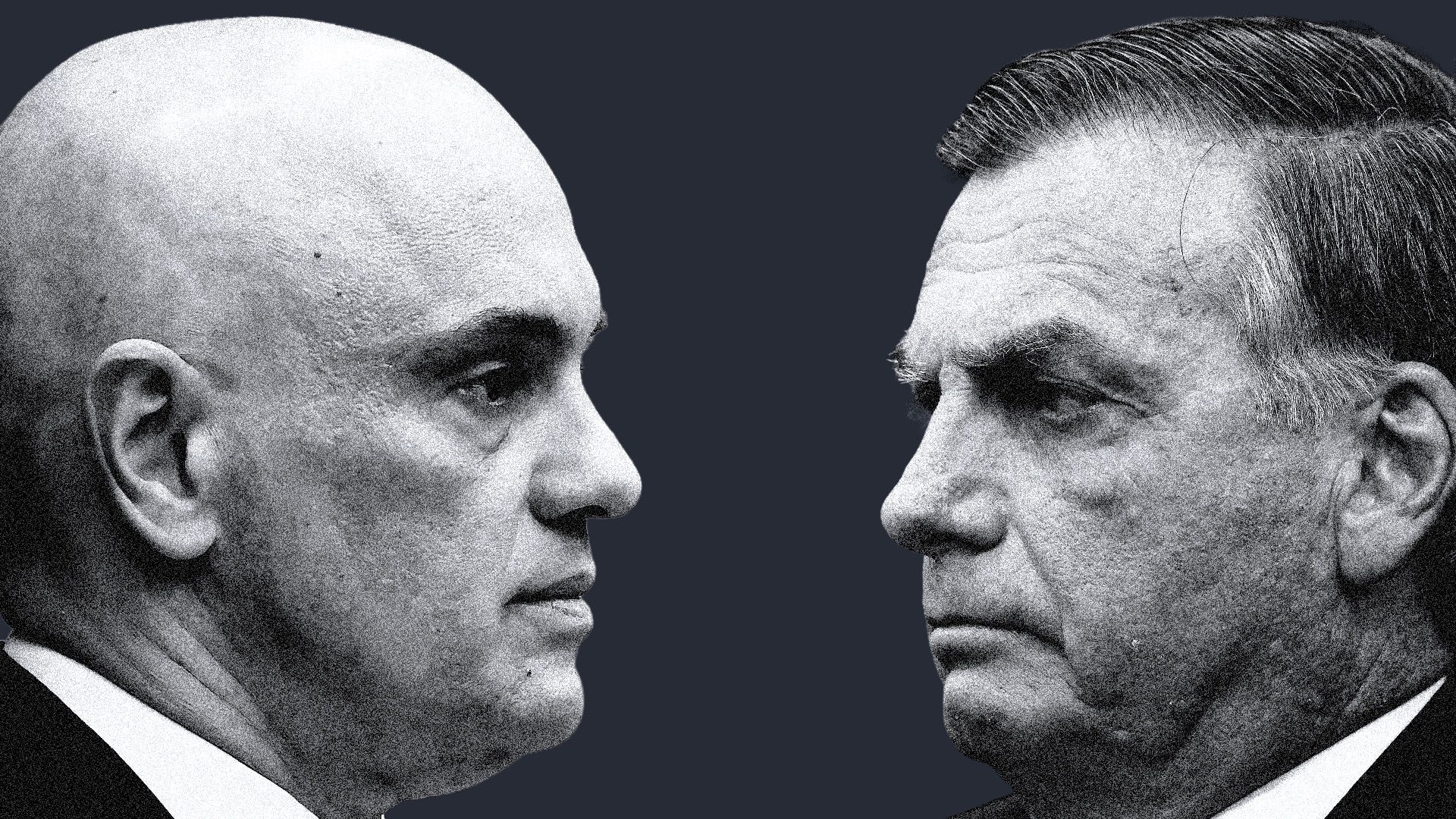
Moraes’ Heavy-Handed Seizure of Bolsonaro’s Firearms: Another Chapter in Brazil’s Judicial Overreach
By Hotspotnews
In a move that has drawn sharp criticism from defenders of individual rights and due process, Brazilian Supreme Court Justice Alexandre de Moraes has ordered the surrender of former President Jair Bolsonaro’s legally registered firearms. The directive bypasses standard procedures involving the defense team, even as reports indicate some weapons had already been secured. To many observers, this is not merely administrative housekeeping but a symbolic assertion of raw judicial power against a political figure who remains a rallying point for millions of Brazilians.
Critics rightly see the order as heavy-handed. Bolsonaro’s firearms were acquired through proper channels under existing law. Forcing their handover without the customary involvement of legal counsel raises serious questions about proportionality and fairness. When a citizen—even one under scrutiny—has complied with registration requirements and taken steps to secure his property, overriding those measures smacks of selective enforcement rather than neutral justice. It fuels the perception that Brazil’s institutions are being weaponized to harass and humiliate a former leader rather than address genuine threats.
Supporters of the order, aligned with the current establishment, frame it as a “routine precautionary step.” They point to Bolsonaro’s ongoing legal battles, including probes related to alleged coup planning. Under house-arrest-like restrictions and with licenses reportedly revoked, they argue that firearm access poses an unacceptable risk. Yet this defense rings hollow to those familiar with the broader pattern. Brazil’s justice system has long tolerated irregularities among those in favor with the ruling circles while applying the strictest interpretations of the law to conservatives and nationalists.
In practice, routing the handover through the Army may provide a veneer of official verification and limit future disputes over custody. But it also underscores the extraordinary level of control Moraes has exerted in politically sensitive cases. His track record of aggressive procedural measures—often targeting Bolsonaro allies and institutions associated with the right—suggests a consistent strategy: tighten the noose through incremental restrictions that erode normal legal safeguards. What begins as firearm confiscation can easily expand into broader isolation of political opponents.
This episode fits a troubling trend in Brazilian democracy since the return of certain leftist influences. Conservatives have long warned that an activist judiciary, insulated from accountability, threatens the constitutional balance. Law-abiding citizens who supported Bolsonaro’s emphasis on security, sovereignty, and traditional values now witness their champion treated as a perpetual suspect. Legally owned property is seized not after conclusive proof of wrongdoing, but amid investigations that drag on while public trust erodes.
The real test for Brazil remains whether its institutions can deliver impartial justice or whether they will continue serving as tools for political retribution. For millions who view Bolsonaro as a bulwark against radical agendas, the latest order is less about public safety and more about signaling dominance. True rule of law demands consistent standards, transparent procedures, and respect for individual rights—not performative disarmament of one side while the powerful operate with impunity. Until that balance is restored, skepticism toward such judicial actions will only grow.


