

Nikolas Ferreira Stands Firm: Rejecting Corruption’s Comeback in the Fight for a Principled Right
By Hotspotnews
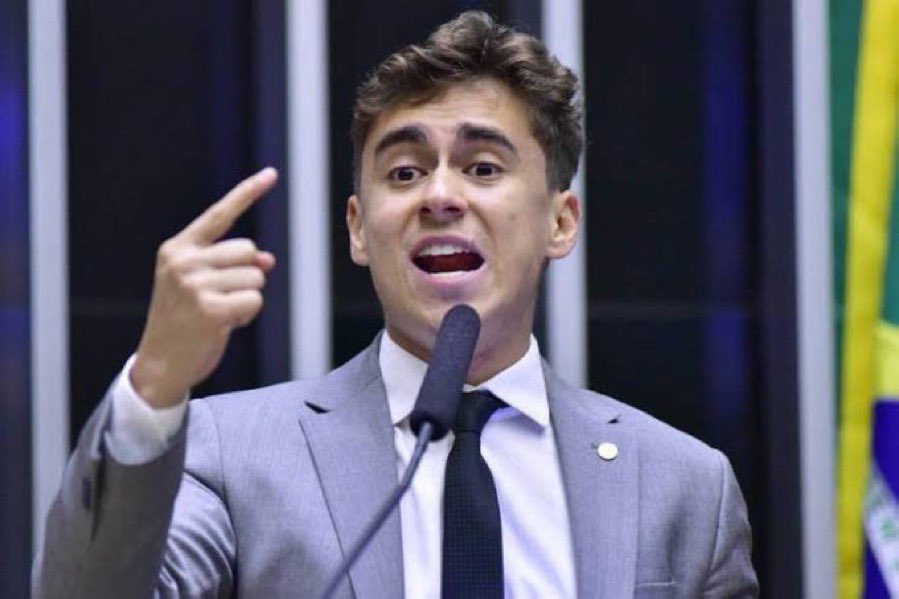
The young leader from Minas Gerais delivered a clear and uncompromising message to his own Partido Liberal (PL): either keep the convicted corrupt figure Eduardo Cunha out of the party’s ranks, or count him out. In essence, “him or me.”
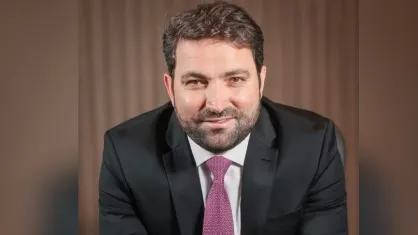
This confrontation is more than a personal spat—it’s a defining moment for the Brazilian right. Eduardo Cunha, the former Chamber of Deputies president infamous for his central role in the Lava Jato scandals, was convicted of corruption and money laundering, spending time behind bars before his release. His attempted return to politics through the PL represents everything conservatives have fought against: the cynical recycling of tarnished figures who prioritize personal gain over principle.
For years, the Brazilian right—led by figures like Jair Bolsonaro—built its strength on a promise to combat the entrenched corruption that has plagued the nation. Voters rallied behind candidates who vowed zero tolerance for the old ways of doing politics, the backroom deals, and the endless parade of “raposas” (foxes) from the centrão who switch sides whenever it suits their ambitions. Nikolas Ferreira, one of the most voted deputies in recent elections and a rising star among conservative and evangelical voters, embodies that promise. His massive vote share in Minas Gerais is not a blank check for party bosses to trade integrity for short-term electoral math.
The push to bring Cunha aboard, reportedly so his name could ride the coattails of Ferreira’s popularity to secure a congressional seat, exposes a dangerous drift. It suggests that some within the PL leadership are willing to dilute the party’s anti-corruption credentials in pursuit of bigger benches and more bargaining power in Brasília. This is the same centrão logic that conservatives have long criticized—the idea that winning justifies any alliance, even with those who have already proven unworthy of public trust.
Ferreira’s ultimatum was not born of ego but of principle. He understands that allowing a figure like Cunha back in would send a devastating signal to the base: that the right is no different from the left when power is on the line. It would alienate the millions who supported Bolsonaro and his allies precisely because they believed in a cleaner, more honest politics. Young conservatives, evangelicals, and everyday Brazilians tired of endless scandals would rightly feel betrayed.
This stand is especially vital as the 2026 elections approach. The Brazilian right cannot afford to repeat the mistakes of the past, where pragmatism over principle led to weakened mandates and lost credibility. Nikolas Ferreira is showing that real leadership means saying no when compromise crosses the line into complicity. His willingness to risk internal conflict to defend core values should inspire—not intimidate—those who claim to champion conservatism.
The party that Bolsonaro helped build was meant to be different: a vehicle for genuine change, not another machine for recycling the old guard. By drawing this red line, Nikolas Ferreira is reminding everyone what that difference looks like. Conservatives across Brazil should take note—and take heart. Integrity is not negotiable, and the future of the right depends on leaders courageous enough to prove it.