



North Korea’s Kim Jong Un Pledges Unwavering Support for Russia’s Putin: A Troubling Alliance
By Hotspotnews
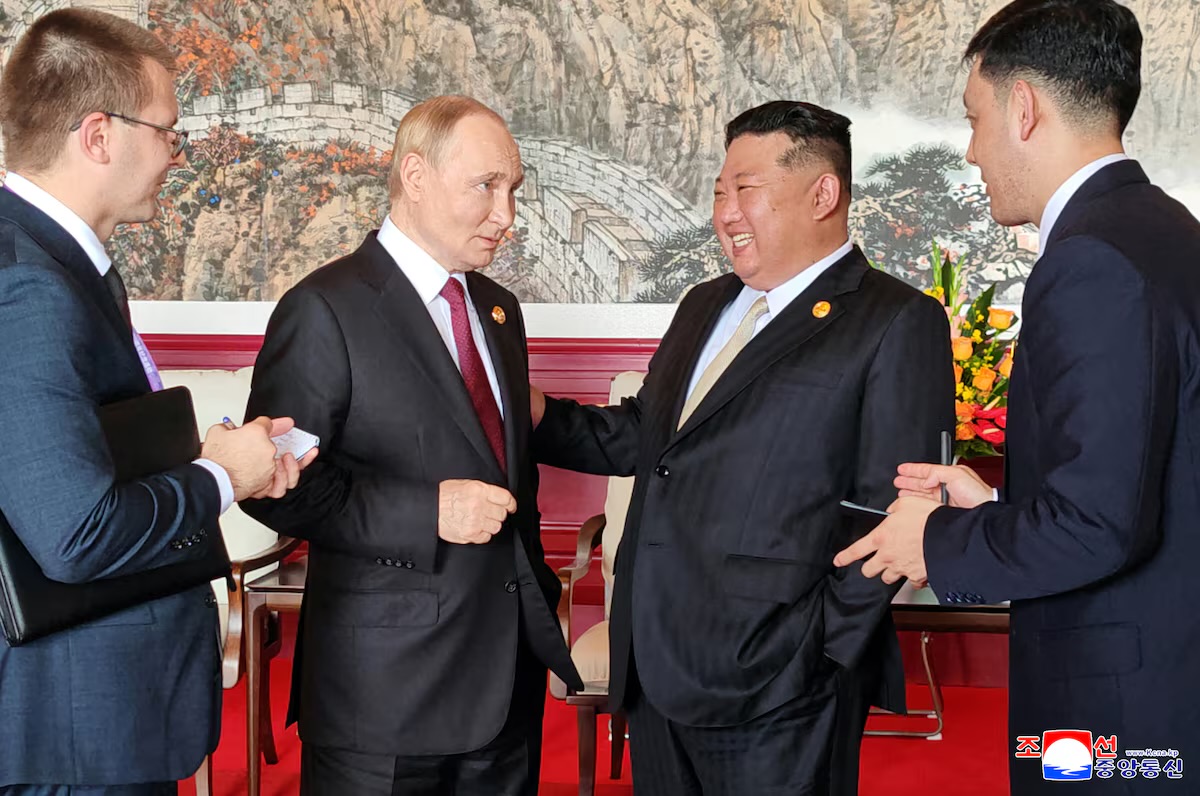

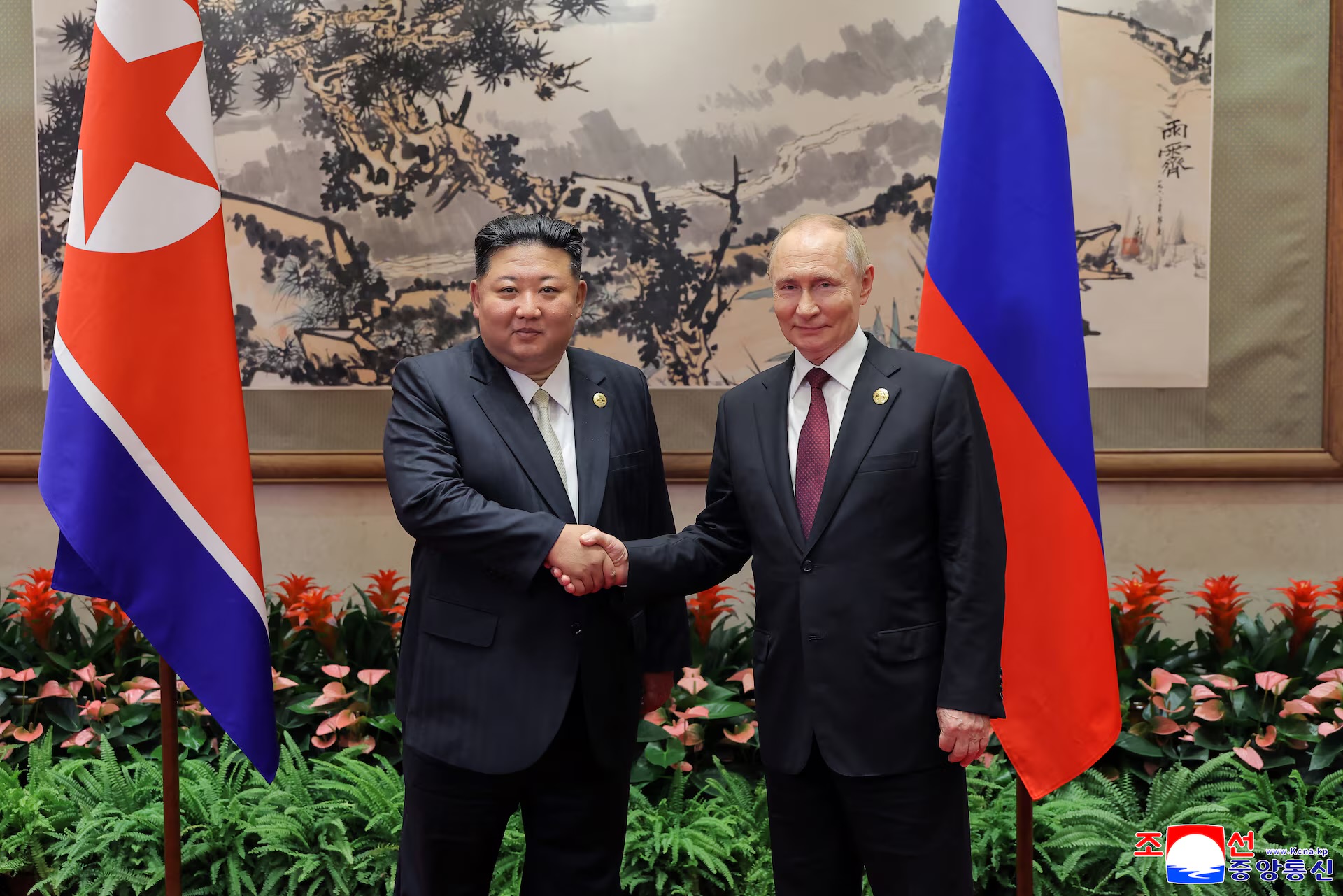
This meeting, held in Beijing alongside Chinese President Xi Jinping, underscores a growing axis of autocratic regimes openly challenging the Western-led international order. Kim and Putin’s discussions reportedly focused on long-term plans to elevate their bilateral ties, with North Korea already supplying troops, artillery, and missiles to aid Russia’s war efforts in Ukraine. South Korean intelligence estimates that 2,000 North Korean soldiers have already perished in this conflict, with plans for an additional 6,000 troops to be deployed. Such brazen military cooperation not only violates international sanctions but also reveals the desperation of both regimes as they face global isolation.
For conservatives, this alliance is a stark reminder of the dangers posed by unchecked authoritarianism. North Korea, a brutal regime that starves its own people while pursuing nuclear ambitions, and Russia, waging an unprovoked war against Ukraine, are united by their shared disdain for liberty, sovereignty, and the rule of law. Their mutual defense pact, signed last year, obligates each to come to the other’s aid in the event of an attack—a clear signal that they are preparing to escalate their defiance of the West.
This development demands a robust response from the United States and its allies. The Biden administration’s weak foreign policy has emboldened adversaries like Kim and Putin, allowing them to forge alliances that threaten global stability. Conservatives understand that peace is achieved through strength, not appeasement. The U.S. must reinforce its commitment to NATO, bolster support for Ukraine, and impose crippling sanctions on both North Korea and Russia to deter further aggression. Additionally, we must counter China’s tacit support for this axis, as Xi’s presence at the Beijing parade alongside Kim and Putin suggests a troubling alignment.
Danger in South America
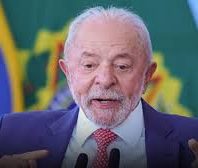
Lula’s actions, driven by his leadership in the BRICS alliance and deep-seated anti-American sentiment, raise questions about his complicity. His May 2025 visit to Moscow, where he proposed a “strategic partnership” with Russia in defense, nuclear energy, and space, coincided with North Korea’s escalating support for Russia’s war, including 14,000 troops deployed to Ukraine. Lula’s presence at Russia’s Victory Day parade and his silence on North Korea’s actions at the G20 and APEC summits in November 2024 reflect a refusal to condemn this dangerous alliance. His advocacy for a “peace group” to mediate the Ukraine war, while criticizing Western support for Kyiv, aligns with the anti-Western narratives of Moscow, Beijing, and Pyongyang. Lula’s push for BRICS expansion—welcoming nations like Iran and Ethiopia—and his championing of de-dollarization efforts reveal a clear intent to challenge U.S. global influence, positioning Brazil as a key player in an anti-American geopolitical bloc.
Conservatives see Lula’s BRICS agenda and hatred for the U.S. as more than passive neutrality—it’s a deliberate alignment with autocrats. Brazil’s economic ties to Russia for fertilizers and China for soybean exports, combined with Lula’s Workers’ Party’s anti-American ideology, explain his reluctance to oppose the Kim-Putin axis. His failure to join leaders like South Korea’s Yoon Suk Yeol and U.S. President Joe Biden in condemning North Korea’s troop deployments suggests he’s quietly cheering from the sidelines, emboldened by BRICS’ growing influence. This risks alienating Brazil from its Western allies and enabling Russia’s potential transfer of advanced technology to North Korea’s nuclear program.
The United States and its allies must respond decisively. The Biden administration’s weak foreign policy has allowed adversaries like Kim, Putin, and Lula to exploit global divisions. Conservatives demand strength, not appeasement: reinforcing NATO, bolstering Ukraine, and imposing crippling sanctions on North Korea and Russia. The U.S. must also pressure Brazil to abandon its anti-American BRICS crusade and align with democratic values. Lula’s economic dependence on China and Russia, coupled with his ideological opposition to the U.S., makes Brazil a weak link in the fight against authoritarianism.
Kim’s pledge to back Putin’s “sacred fight,” amplified by Lula’s BRICS-fueled anti-Americanism, is a call to arms for regimes that threaten freedom and democracy. Conservatives must demand a foreign policy that confronts these dictators head-on, ensuring national security and global stability. Lula’s sideline support for this axis, cloaked in neutrality, cannot be ignored—his actions signal a dangerous shift that demands vigilance and a resolute Western response.
The American people cannot afford to ignore this growing threat. Kim’s pledge to back Putin’s “sacred fight” is not just rhetoric—it’s a call to arms for regimes that thrive on oppression and seek to undermine the values of freedom and democracy. Conservatives must demand a foreign policy that prioritizes national security, supports our allies, and confronts these dictators head-on. The stakes are too high for complacency.


