

President Trump Defends American Sovereignty Against Supreme Court Overreach: “They’ll Let You Shut Down Trade Entirely, But Not Protect Our Workers?”
By Hotspotnews
Washington, D.C. – The Supreme Court’s 6-3 ruling on February 20, 2026, striking down President Donald J. Trump’s use of the International Emergency Economic Powers Act (IEEPA) to impose targeted tariffs has ignited a fierce debate over one of the most fundamental principles of our republic: American sovereignty.
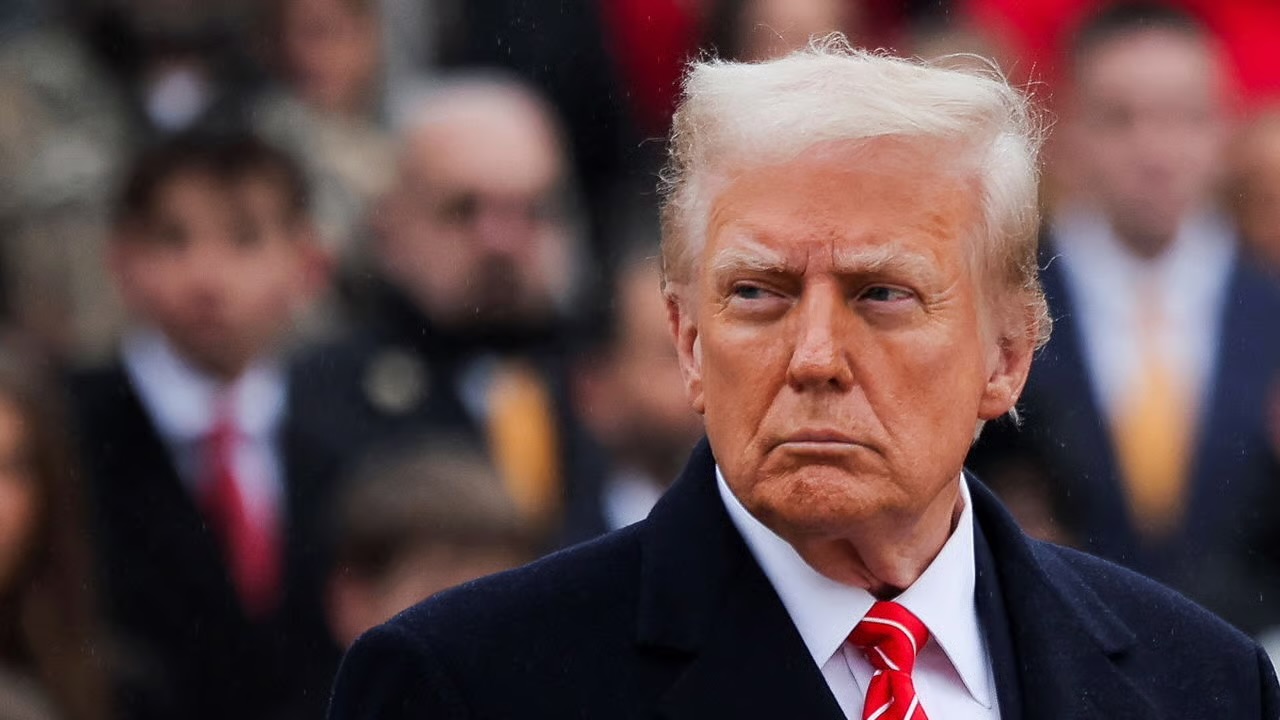
President Trump, speaking directly to the nation, didn’t mince words. He exposed the ruling’s glaring contradiction: the Court declared that the President cannot use emergency authority to levy even modest duties on imports flooding our markets with fentanyl precursors or exploiting unfair trade practices—yet the same opinion concedes he retains the power to impose total embargoes, cutting off all trade with offending nations. As the President put it, the justices essentially said, “I can destroy the country’s trade relations completely, but I can’t charge one dollar to protect American interests.”
This isn’t just a technical disagreement over statutes. It strikes at the heart of national sovereignty—the sacred right of the United States to control its own borders, economy, and destiny without interference from unelected judges or foreign powers. For too long, globalist elites have eroded that sovereignty through one-sided trade deals, open borders that allow deadly drugs to pour in, and endless concessions that hollow out American manufacturing. President Trump’s tariffs were a direct counterpunch: tools to defend our workers, secure our supply chains, and force adversaries like China to stop predatory practices that threaten our economic independence.
The ruling threatens to hand back billions—potentially up to $175 billion in collected duties—while weakening the executive’s ability to respond swiftly to national emergencies. Yet the Court’s narrow, procedural focus ignores the bigger picture: Congress has repeatedly failed to act decisively on trade imbalances and border security. When lawmakers abdicate, the President—elected by the people—must step in to safeguard the nation. That’s not overreach; that’s leadership.
Critics on the left cheer this decision as a check on executive power, but conservatives see it for what it is: judicial activism that prioritizes internationalist dogma over American self-determination. The Framers vested taxing authority in Congress precisely to prevent tyranny, yet they also designed an energetic executive capable of defending the nation against foreign threats. Stripping the President of flexible tools like IEEPA tariffs—while leaving drastic embargo options intact—creates a dangerous asymmetry that favors weakness over strength.
President Trump has already signaled the path forward: alternative authorities under Section 232 for national security, Section 301 for unfair trade practices, and other proven statutes will keep the pressure on. The America First agenda doesn’t bend to black-robed interference. Tariffs were never the end goal—they were leverage to restore fairness, bring jobs home, and reassert U.S. dominance in a world that has taken American generosity for granted.
Our sovereignty isn’t negotiable. It’s not subject to selective judicial approval or foreign lobbying. It belongs to the American people, and President Trump—elected to put America First—will continue fighting to protect it. The factories will reopen, the borders will strengthen, and no court ruling will stop the momentum of making America great again. The globalists may have scored a temporary point, but the battle for true national sovereignty is far from over. Under President Trump’s unwavering leadership, America will prevail.