



Reunião Secreta no Planalto: Lula Armou Encontro Clandestino com o “Xerife” do TSE para Manipular 2026?
By Hotspotnews
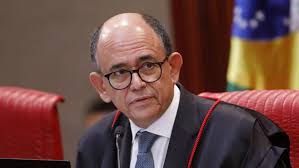
In a democracy that prides itself on transparency and the impartiality of its institutions, certain events demand scrutiny—especially when they involve the highest levels of executive power meeting privately with those tasked to safeguard electoral integrity. Such is the case with President Luiz Inácio Lula da Silva’s clandestine December meeting with Minister Antonio Carlos Ferreira, then on the cusp of becoming the Corregedor-Geral Eleitoral of the Tribunal Superior Eleitoral (TSE).
The encounter took place on December 10 in the Palácio do Planalto, initiated at Lula’s request. It did not appear on the president’s public agenda, though records confirm Ferreira’s entry. The two spoke mostly alone, with only brief interruptions for coffee and from a staff member. Topics reportedly included ongoing cases at the Superior Tribunal de Justiça (STJ) and the Supremo Tribunal Federal (STF), as well as matters involving opposition governors. Lula allegedly indicated this would be the first in a series of similar discussions with STJ ministers.
For conservatives and millions of Brazilians who have grown deeply skeptical of institutional fairness—particularly after widespread concerns over the 2022 elections—this episode is not merely irregular; it is profoundly troubling. The Corregedor-Geral holds immense responsibility: overseeing compliance, investigating irregularities, guiding regional electoral courts, and ensuring the process remains above reproach in the lead-up to 2026. A private, unlogged conversation between the sitting president and this key figure, especially one discussing judicial cases and political opponents, inevitably fuels suspicions of undue influence or coordination to tilt the playing field.
Defenders may claim such meetings are routine “institutional dialogue.” Yet the secrecy—omitting the event from the official schedule while logging the entry—undermines that defense. In a nation still healing from polarized debates over electoral transparency, trust demands openness. When the executive branch appears to operate in shadows with the very officials who police the vote, public confidence erodes further.
Fortunately, a meaningful shift is on the horizon. In June 2026, Minister Kassio Nunes Marques—appointed to the STF by former President Jair Bolsonaro—will assume the presidency of the TSE, with Minister André Mendonça (another Bolsonaro appointee) as vice-president. This marks the first time a Bolsonaro-indicated justice will lead the court during a presidential election cycle.
Nunes Marques has already demonstrated a commitment to balance, having coordinated the drafting of the 2026 electoral resolutions with an emphasis on prudence, isenção (impartiality), and deference to free expression. Observers across the spectrum anticipate a less activist, more restrained approach compared to recent leadership—prioritizing serenity over confrontation, protecting speech rights while addressing legitimate concerns like disinformation, and avoiding the perception of overreach.
This leadership change does not erase the December meeting or its implications. Minister Ferreira remains corregedor through September 2026, overseeing much of the campaign and post-election phase. But the top command passing to figures viewed as more neutral and less inclined toward centralization offers real hope. It signals a potential return to institutional restraint, where the TSE focuses on fair rules rather than aggressive interventions.
For conservatives, this transition represents a critical safeguard. After years of questioning whether the system operates on equal terms, the prospect of a TSE presidency under Nunes Marques brings cautious optimism. It reminds us that institutional renewal is possible, even in challenging times.
Brazil deserves elections beyond reproach—transparent, impartial, and free from any hint of executive meddling. The December meeting underscores why vigilance remains essential, but the impending change at the TSE’s helm offers a path toward restoring faith in the process. The coming months will test whether that promise holds.


