




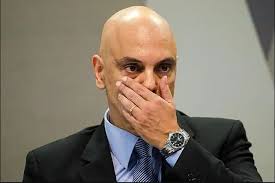
The Banco Master Controversy: Supreme Court Ties, Official Denials, and Rising Political Tensions in Brazil
By Hotspotnews
As of December 23, 2025, Brazil’s political and judicial spheres are grappling with escalating revelations about a high-value legal contract between the now-liquidated Banco Master and the law firm associated with the family of Supreme Federal Court (STF) Justice Alexandre de Moraes. The contract, valued at approximately R$ 129 million over three years (R$ 3.6 million monthly starting in early 2024), involved the firm Barci de Moraes Associados, led by Moraes’ wife, Viviane Barci de Moraes, with participation from their children. Payments reportedly reached up to R$ 79 million before the bank’s liquidation by the Central Bank in November 2025 halted them.
The controversy intensified with allegations that Justice Moraes personally contacted Central Bank president Gabriel Galípolo multiple times to advocate for the bank, particularly regarding a proposed sale to Banco de Brasília (BRB) that was ultimately vetoed due to detected frauds. Senator **Alessandro Vieira** (MDB-SE), rapporteur of the CPI on Organized Crime, has publicly committed to gathering signatures after the parliamentary recess (ending in early February 2026) to launch a Senate investigation or CPI into the contract—deemed “outside the standard of legal practice”—and the alleged ministerial interventions.
Latest Developments as of December 23, 2025
In his first public statement on the matter today, Justice Moraes issued a formal note denying any discussion of Banco Master in his interactions with Galípolo or other financial leaders. He clarified that all meetings—both in-person and by phone—focused **exclusively** on the consequences of the U.S. **Magnitsky Act** sanctions imposed on him in July 2025 (lifted on December 12 following negotiations between Presidents Lula and Trump). These sanctions had threatened his and his family’s access to banking services, credit cards, and international financial systems.
The Central Bank followed with a brief confirmation of the meetings but aligned with Moraes’ account, stating they addressed only the Magnitsky Act’s implications for the financial system—without referencing Banco Master. No public records show Viviane Barci de Moraes directly engaging with the Central Bank or other regulators on the bank’s behalf, though the contract’s broad scope included defending the institution’s interests before agencies like the Central Bank, Federal Revenue Service, and Congress.
Opposition figures have ramped up rhetoric, with some announcing parallel efforts to collect signatures for a new impeachment request against Moraes and filing criminal complaints with the Federal Public Ministry. Vieira has described the situation as “gravíssima,” warning that institutional reluctance to confront the issue could lead to broader accountability measures, including potential impeachments.
Updated Potential Outcomes
The official clarifications introduce new defenses but have not quelled the controversy, slightly shifting the trajectory while preserving the main scenarios:
1. Limited Impact (remains the most probable near-term path)**: Moraes’ explicit denial, backed by the Central Bank’s statement, may reduce momentum if no concrete evidence (such as detailed records or witness testimony) emerges contradicting the Magnitsky-focused explanation. The ongoing recess delays Senate action, and holiday distractions could allow attention to fade. The STF’s institutional solidarity and emphasis on judicial independence continue to provide a strong buffer against escalation.
2. Heightened Scrutiny and Potential Reforms (gaining traction)**: The direct rebuttals keep the story prominent, sustaining demands for greater transparency in judicial family finances and stricter ethics guidelines for relatives’ professional activities. Should Vieira secure signatures post-recess, a formal probe could compel testimony from figures like Galípolo, potentially uncovering additional details about the contract’s execution or any indirect influence. This could lead to legislative proposals limiting such arrangements or enhanced disclosure requirements for high-level judicial connections.
3. Escalation to Impeachment Proceedings (still low probability but increasingly discussed)**: Hardened opposition language has explicitly linked the revelations to impeachment grounds, framing alleged conflicts as breaches of judicial impartiality. While achieving the necessary congressional majorities remains challenging, persistent pressure could erode Moraes’ political standing ahead of the 2026 elections and set precedents for scrutinizing other justices.
4. Broader Systemic Effects**: The case continues to fuel debates on organized crime’s potential infiltration of finance and politics (tying into the ongoing CPI), strain inter-branch relations, and influence public trust in institutions. It may shape electoral strategies in 2026 and draw international scrutiny to Brazil’s judicial and financial governance.
The controversy, originating in journalistic investigations of documents from Banco Master’s controller Daniel Vorcaro, remains dynamic. No definitive proof of impropriety has surfaced, but the combination of a unusually lucrative contract, alleged high-level contacts, and today’s official responses ensures the issue will persist into the new year. The post-recess period in February 2026 will likely determine whether this develops into a major institutional crisis or gradually recedes.


