

The Banco Master Scandal: A Brewing Institutional Crisis in Brazil
By Hotspotnews
As 2025 draws to a close, Brazil finds itself embroiled in one of its most contentious financial and judicial scandals in recent years—the collapse and liquidation of Banco Master. What began as a routine regulatory action by the Central Bank (BC) in November 2025 has escalated into a full-blown institutional confrontation between the Supreme Federal Court (STF), the BC, and elements of the political establishment. At stake are allegations of massive fraud, potential conflicts of interest at the highest levels of the judiciary, and the autonomy of Brazil’s financial regulator.
Origins of the Scandal
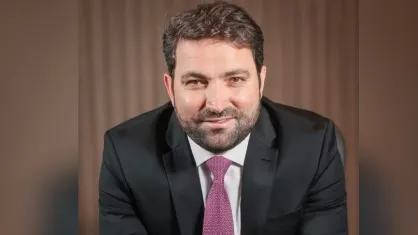
Banco Master, a mid-sized lender controlled by businessman Daniel Vorcaro, was placed under extrajudicial liquidation by the BC on November 18, 2025, following a federal police investigation into alleged frauds totaling around R$12 billion. The probe uncovered fabricated credit securities and non-existent assets used to prop up the bank’s liquidity during a failed merger attempt with Banco de Brasília (BRB), a state-controlled institution. Vorcaro and several executives were briefly arrested, and the bank’s assets were seized. The Credit Guarantee Fund (FGC) is expected to cover losses potentially exceeding R$41 billion, ultimately borne by taxpayers and the broader financial system.
The BC’s decision was unanimous and based on months of oversight, including over 38 ignored liquidity alerts from other institutions. Experts describe the bank’s insolvency as irreversible, warning that any reversal would set a dangerous precedent for regulatory uncertainty.
Latest Developments: The STF’s Unusual Intervention
The case took a dramatic turn when STF Justice Dias Toffoli assumed control of the investigation in early December, imposing total secrecy and scheduling an extraordinary “acareação” (confrontation hearing) for December 30, 2025—during the judicial recess and without individual depositions first. The hearing involves Vorcaro, former BRB president Paulo Henrique Costa (both under investigation), and BC supervision director Ailton de Aquino Santos (not a suspect).
Toffoli’s actions—taken sua sponte (on his own initiative), rejecting appeals from the BC, the Attorney General’s Office (PGR), and even clarifications requests—have been labeled “atypical” and “unprecedented” by jurists and former BC directors. The PGR argued the confrontation was premature; the BC questioned its urgency and Aquino’s status. Financial associations like Febraban have rallied in defense of the BC’s autonomy, warning that judicial override could erode investor confidence and international credibility.
Speculation abounds that the moves aim to probe potential flaws in the BC’s oversight, possibly paving the way for annulling the liquidation—a scenario experts deem remote but catastrophic, as it would not revive the insolvent bank and could trigger broader systemic risks.
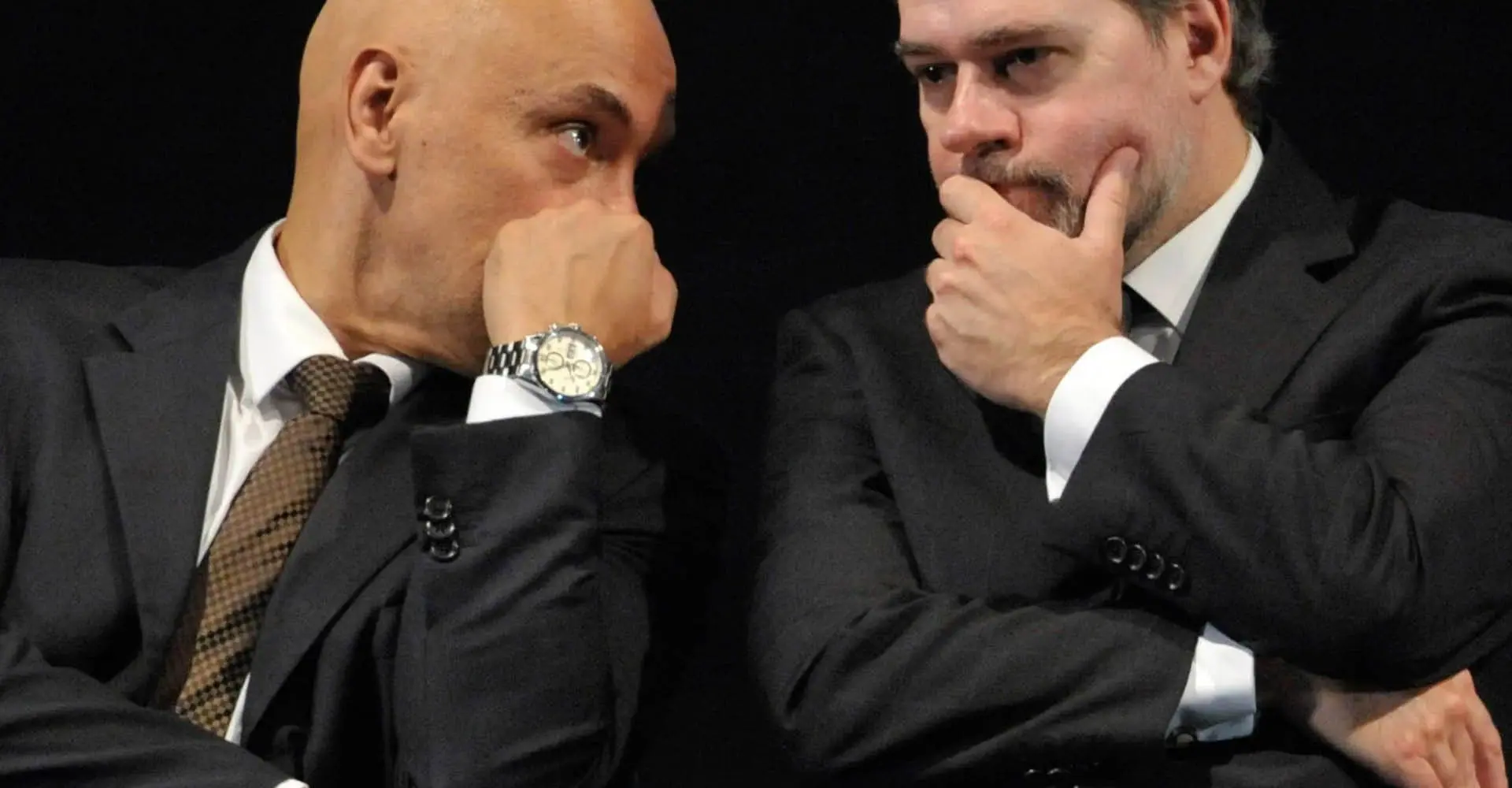
Adding fuel to the controversy: Reports of Toffoli traveling on a private jet with a lawyer linked to a Master executive, and revelations of alleged contacts between STF Justice Alexandre de Moraes and BC president Gabriel Galípolo regarding the bank (though Moraes claims discussions were solely about U.S. Magnitsky Act sanctions).
Conflicts of Interest and Political Silence
Central to the outrage is a reported R$129 million contract (R$3.6 million monthly over three years) between Banco Master and the law firm of Viviane Barci de Moraes, wife of Justice Alexandre de Moraes. The agreement, allegedly for broad legal representation including before the BC and Congress, was reportedly found on Vorcaro’s phone during the police raid. Moraes has denied any improper influence, stating his meetings with Galípolo addressed only personal sanctions, not the bank.
President Luiz Inácio Lula da Silva and his government have remained conspicuously silent, issuing no official statements despite the scandal’s implications for public funds and institutional trust. Congress is in recess until February, with opposition calls for a parliamentary inquiry (CPI) or impeachment proceedings against Moraes gaining traction but lacking immediate momentum.
The Powerless People: Paying the High Price of Elite Impunity
For ordinary Brazilians, the Banco Master affair exemplifies a deeper malaise: a system where the powerful appear shielded while the public foots the bill. The FGC payouts—funded indirectly through taxes and banking fees—could run into tens of billions, exacerbating economic pressures amid sluggish growth. Yet, investigations drag under secrecy, and accountability seems elusive.
This scandal arrives against the backdrop of Lula’s 2023 return to power, elected amid polarizing debates over corruption and institutional integrity from prior administrations. Critics argue that tolerating perceived elite entanglements—whether judicial, political, or financial—comes at a steep cost: eroded public trust, institutional fragility, and a sense of helplessness among citizens who feel voiceless against entrenched networks of influence.
As the December 30 hearing approaches, Brazil watches warily. Will it clarify facts, or deepen divisions? For a nation weary of scandals, the hope is for transparency and justice—but history suggests the price of political choices often falls heaviest on those least able to bear it.