



The Erosion of Democracy: Brazil’s Descent into Digital Authoritarianism
By Hotspotnews
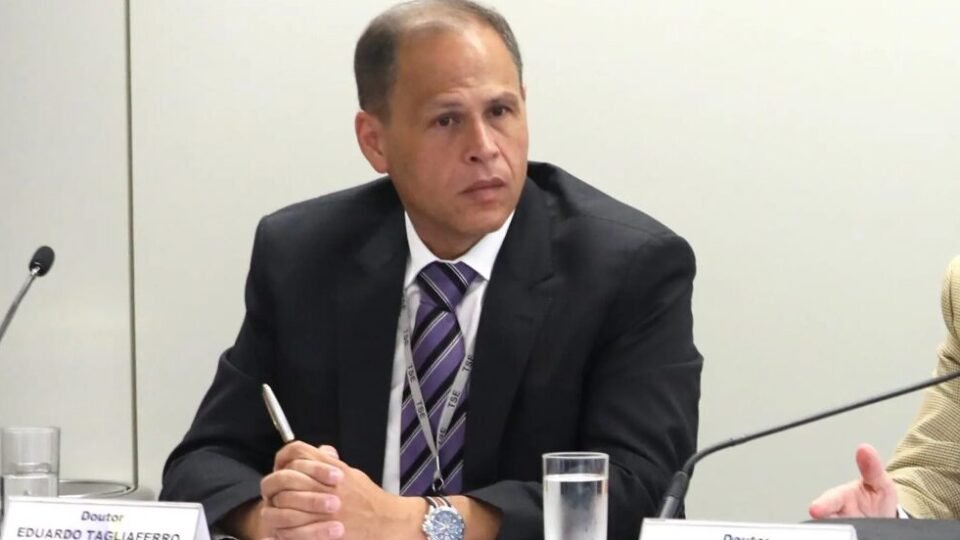
In the heart of South America, a disturbing trend has emerged that threatens the very foundations of democracy. Recent revelations, detailed in a series of X posts by Eduardo Tagliaferro (@edutagli), expose a chilling operation by the Brazilian state to monitor and suppress political dissent during the 2022 general elections. This is not merely a case of overzealous governance but a systematic assault on freedom of expression, privacy, and the rule of law. The evidence, laid bare in these posts, demands our attention and action.
The centerpiece of this concern is the “Gabinete de Enfrentamento à Desinformação” (Office for Confronting Disinformation), a unit within the Superior Electoral Court (TSE) that has been implicated in a coordinated effort to track and influence political activities. Tagliaferro’s post https://x.com/edutagli/status/1961036843991924934?s=61 reveals official documents and communications that detail the monitoring of Telegram and Signal groups, platforms often used by citizens to organize and discuss political matters outside the reach of traditional media. This is not just surveillance; it is an orchestrated campaign to silence opposition.
The implications are profound. The post includes screenshots of a document from the TSE, which lists various group links and indicates a structured approach to identifying and potentially neutralizing dissenting voices. This is not an isolated incident but part of a broader pattern of “techno-authoritarianism” that has taken root in Brazil, as noted by international observers and organizations like Data Privacy Brasil. The very tools designed to enhance communication are being weaponized against the populace.
Alexandre de Moraes, the president of the TSE and a justice of the Supreme Federal Court, stands at the center of this controversy. His actions have drawn international ire, culminating in the U.S. Department of the Treasury sanctioning him under the Magnitsky Act on July 30, 2025, for his role in suppressing freedom of expression and engaging in arbitrary detentions ([Treasury Sanctions link](https://home.treasury.gov/news/press-releases/jy2433)). The State Department revoked his visa and that of his family members, citing complicity in an unlawful censorship campaign against U.S. persons on U.S. soil. This is not just a Brazilian issue; it is a global concern about the abuse of power.
The post by Tagliaferro also highlights the involvement of other state entities, such as the Ministry of Justice and the Brazilian Bar Association (OAB), in this operation. The “Centro Integrado de Combate à Desinformação,” inaugurated by Moraes, is described on the TSE’s official website as a collaborative effort to combat disinformation ([TSE link](https://www.tse.jus.br/comunicacao/noticias/2024/Marco/presidente-do-tse-inaugura-centro-integrado-de-combate-a-desinformacao)). However, the evidence suggests a darker purpose: the centralization of power to control narrative and suppress dissent.
The communications detailed in the post, including messages from December 13, 2022, show a network of individuals and groups being monitored, with references to military involvement and the labeling of certain groups as “military reserve.” This is a direct threat to democratic principles, where the military’s role should be defensive, not offensive against civilian political expression. The post’s revelation of these tactics is a wake-up call to the dangers of state overreach.
Internationally, the response has been swift and severe. The White House has condemned the actions of the Brazilian government, particularly the political persecution of former President Jair Bolsonaro, which contributes to a breakdown in the rule of law and human rights abuses ([White House statement link](https://www.whitehouse.gov/briefing-room/statements-releases/2025/07/30/addressing-threats-to-the-united-states-by-the-government-of-brazil/)). The U.S. actions against Moraes are a clear signal that such behavior will not be tolerated, yet the domestic response in Brazil has been alarmingly muted.
Adding to the gravity of the situation, Tagliaferro has recently announced that he will no longer post on X, a decision that underscores the perilous environment for whistleblowers and critics of the current regime. This move, likely driven by concerns for his personal safety and the intense legal pressures he faces, marks a significant loss for those seeking transparency and accountability. The cessation of his public disclosures on this platform could hinder the flow of critical information to a global audience, further isolating the truth from public scrutiny.
This decision is not made lightly. Tagliaferro’s revelations have already sparked international outrage and legal action, but the risks he faces are immense. The U.S. sanctions against Moraes and the revocation of visas for his family members indicate a high-stakes game where dissenters like Tagliaferro are prime targets. His shift away from X might be a strategic retreat to other, more secure channels, such as the Telegram and Signal groups mentioned in his post, but it also signals the shrinking space for open discourse in Brazil.
This is not just about Brazil; it is a cautionary tale for democracies worldwide. The use of digital tools for political surveillance, as documented in the post, mirrors global trends where governments exploit technology to maintain power. The Freedom House and Berkman Klein Center for Internet & Society have long warned about the rise of digital authoritarianism, and Brazil’s case is a stark example ([Freedom House report](https://freedomhouse.org/report/freedom-net/2023/rising-digital-authoritarianism), [Berkman Klein Center analysis](https://cyber.harvard.edu/publication/2023/rising-digital-authoritarianism-global-perspective)).
What is most concerning is the silence from much of the Brazilian press and international media. The post by Tagliaferro, with its detailed evidence, should be front-page news, yet it remains a whisper in the storm of political noise. This silence is complicity, and it emboldens those who seek to undermine democracy. Now, with Tagliaferro’s decision to step back from X, the challenge of keeping these issues in the public eye becomes even more daunting.
The call to action is clear. Citizens must demand transparency and accountability from their leaders. The international community must continue to pressure Brazil to uphold democratic values. And most importantly, we must recognize that the fight for freedom is not confined to borders; it is a global struggle against the encroachment of authoritarianism. Tagliaferro’s silence on X should not be the end of this story but a call to others to step forward and continue the fight for truth and justice.
In conclusion, the evidence presented by Eduardo Tagliaferro is a damning indictment of the current state of Brazilian democracy. It is a reminder that vigilance is the price of liberty, and the cost of indifference is tyranny. The world watches, and history will judge. Let us ensure that judgment is one of action, not regret.


