


Elite Impunity Exposed: The Contract Scandal, Institutional Decay, and the Senate’s Dangerous Silence
By Hotspotnews
The latest bombshell in Brazil’s Banco Master scandal has laid bare what many conservatives have long suspected: Brazil’s powerful Supreme Court operates with an arrogance that mocks the rule of law. Federal Police recovered WhatsApp messages showing Viviane Barci de Moraes, wife of Justice Alexandre de Moraes, personally sending a R$129 million legal services contract directly to Daniel Vorcaro, the disgraced owner of the fraud-plagued Banco Master.
This was no ordinary retainer. The agreement, signed in early 2024, called for monthly payments of roughly R$3.6 million over three years. It covered regulatory defense before the Central Bank, tax work with revenue authorities, legislative advocacy in Congress, and broad corporate legal support. Even as Vorcaro’s bank collapsed under fraud investigations and was liquidated, these payments were reportedly treated as high priority. In a rejected plea deal, Vorcaro allegedly told authorities the massive sums were intended to create “approximation” with Moraes himself.
The discovery has triggered predictable outrage but little accountability. Public trust in the Supreme Court has plummeted further. Polls show growing numbers of Brazilians viewing the institution not as a neutral guardian of the Constitution, but as a self-protecting political actor. The scandal now touches multiple justices, yet the court’s internal culture of mutual defense remains intact. Meanwhile, ordinary Brazilians face aggressive judicial actions for social media posts or political speech while elites appear shielded by their position.
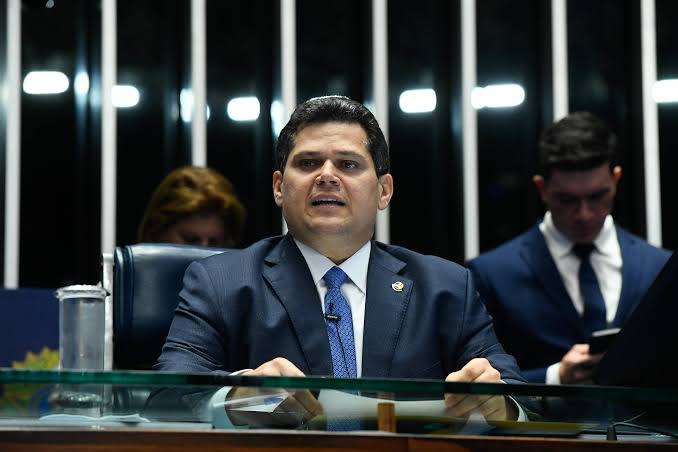
This is where the Senate’s role becomes critical — and its inaction deeply troubling. Under the Constitution, the Senate holds the exclusive power to try and remove Supreme Court justices through impeachment. This is not a ceremonial function; it is a vital check on judicial overreach. When a justice’s family receives extraordinary sums from a banker under criminal investigation, when messages reveal direct contact, and when the justice himself has wielded extraordinary power over elections, speech, and political opponents, the Senate has both the authority and the duty to investigate thoroughly.
Yet months after the initial revelations and days after the newest messages surfaced, the upper house has taken no decisive action. Opposition voices have called for impeachment proceedings and Senate hearings. Instead, there has been delay, procedural maneuvering, and silence from key leaders who possess the institutional leverage to move forward. This paralysis sends a dangerous message: some Brazilians are above the law, and political connections or fear of retaliation can neutralize constitutional safeguards.
Conservatives understand that strong, independent institutions require real accountability, not selective enforcement. A judiciary that polices everyone else while shielding its own members from scrutiny undermines the very legitimacy it claims to defend. When the Senate — the body specifically tasked with checking judicial power — fails to act decisively, it compounds the damage. It tells the public that influence peddling at the highest levels carries no real cost.
The consequences are already visible. Declining institutional trust fuels polarization and cynicism. It weakens respect for the law itself. And it emboldens those who believe power, not principle, determines outcomes in Brazil.
The Senate still has time to fulfill its constitutional responsibility. Thorough hearings, full transparency on all payments and communications, and a serious impeachment process if evidence warrants it would demonstrate that no one is above accountability. Failure to act would confirm the worst fears: that Brazil’s elite class has effectively captured the institutions meant to restrain it.
Brazilians deserve a judiciary that serves the Constitution rather than itself, and a Senate willing to enforce the checks and balances the founders envisioned. The time for polite silence has passed. The people are watching — and they will remember who stood for accountability and who chose to look away.