

The OAB’s Silence: When the Watchdog Becomes Part of the Pack
By Hotspotnews
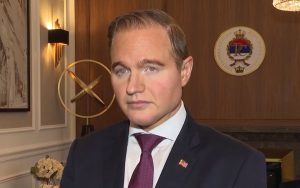
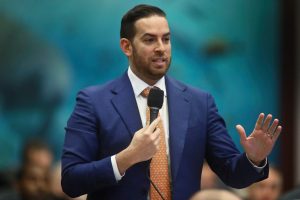
In a nation already weary of institutional rot, fresh revelations expose yet another layer of the cozy relationships that shield the powerful from accountability. Documents from the Receita Federal, shared with the Senate’s CPI do Crime Organizado, reveal that Banco Master—controlled by businessman Daniel Vorcaro, who faces serious legal scrutiny—disbursed a staggering R$ 304.5 million to law firms in 2025 alone. Among the beneficiaries were the offices of two former presidents of the Ordem dos Advogados do Brasil (OAB): R$ 27.5 million went to the firm of Marcus Vinícius Furtado Coêlho, and R$ 1.55 million to that of Felipe Santa Cruz.
These are not minor consulting fees. They represent substantial sums funneled from a bank entangled in investigations toward entities led by individuals who once stood at the helm of Brazil’s premier lawyers’ organization—the very body tasked with upholding ethical standards, defending the rule of law, and acting as a check against abuses of power.
Conservatives have long warned that Brazil’s elite institutions, including the OAB, often prioritize self-preservation and political alignment over genuine defense of liberty and justice. The OAB positions itself as the guardian of lawyers’ prerogatives and constitutional order. Yet when confronted with overreach by certain judicial figures, activist rulings, or the erosion of due process, its leadership has frequently appeared muted or selectively vocal—loud in defense of one side, conspicuously quiet when it might discomfort allies.
This latest disclosure provides a stark illustration of why. Coêlho served as OAB president from 2013 to 2016, a period marked by intense political turbulence. Santa Cruz led from 2019 to 2022, often clashing publicly with conservative voices while projecting an image of institutional independence. Now, with Vorcaro’s bank pouring millions into their practices amid his own legal battles, the optics scream conflict of interest. How can an organization credibly “combat” systemic issues when its past leaders benefit handsomely from those navigating the system?
Critics on the right have argued for years that the OAB functions less like an impartial professional body and more like a guild protecting entrenched interests—big law firms, politically connected practitioners, and a worldview tilted toward statist solutions rather than individual rights and free enterprise. Ordinary lawyers, the backbone of the profession who pay their dues and handle everyday cases, see their contributions sustain an apparatus that seems distant from their realities. Meanwhile, multimillion-real transfers raise legitimate questions about influence, access, and whether “defense of the rule of law” sometimes means defending the powerful from scrutiny.
Vorcaro’s situation adds fuel to the fire. A bank under investigation for alleged irregularities channeling vast resources to influential legal players invites skepticism about whether these were purely arm’s-length services or part of a broader network insulating financial and political actors. In a country still recovering from scandals that exposed how money, power, and institutions intertwine, such arrangements erode public trust further. Conservatives emphasize personal responsibility, transparent markets, and limited government precisely because concentrated power—whether in banks, courts, or professional orders—breeds exactly this kind of opacity.
True reform demands more than cosmetic gestures. The OAB must confront whether its structure fosters genuine independence or perpetuates a revolving door between leadership roles and lucrative private practice tied to controversial clients. Brazilians deserve an advocacy body that defends all lawyers’ rights without fear or favor, not one perceived as selective in its outrage.
This episode underscores a deeper truth: institutions captured by insider interests cannot reliably police themselves or the powerful. For those who value limited government, rule of law grounded in individual liberty, and accountability across the board, the message is clear. Skepticism toward self-proclaimed guardians is not cynicism—it’s prudence. Brazil needs watchdogs with teeth, not lapdogs feeding from the same hand they are supposed to guard against. Until the incentives change, expect more silence where vigilance is most needed.