


The PT’s Reckless Push to Sever Ties with Israel: A Blow to Brazil’s Future
By Hotspotorlando Newsm
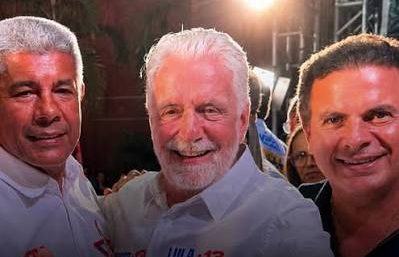
As of August 3, 2025, Brazil stands at a dangerous crossroads, teetering on the edge of a diplomatic and economic blunder driven by the Workers’ Party (PT) and its leader, Luiz Inácio Lula da Silva. The PT’s recent demand, formalized during its 17th National Meeting on August 1, for Lula to rupture diplomatic and commercial relations with Israel is not just a provocative stance—it’s a reckless abandonment of national interest for the sake of ideological posturing. This move, rooted in Lula’s inflammatory comparison of Israel’s Gaza operations to the Holocaust, has already drawn Israel’s ire, with the nation declaring him persona non grata in February 2024. The image of Lula clutching the PT’s letter, as captured by Revista Oeste, symbolizes a leader caught in a self-inflicted storm, one that threatens to isolate Brazil on the global stage.
The PT’s justification hinges on its “Em defesa do povo palestino” document, which cites an alleged “genocide” in Gaza, echoing Lula’s June 2024 claim of a “premeditated genocide.” The party leans on unverified casualty figures—over 36,000 Palestinian deaths since October 2023, according to Gaza health authorities—while ignoring the lack of independent confirmation and the complex realities of the Israel-Hamas conflict. This narrative conveniently aligns with the PT’s historical roots in liberation theology and anti-imperialist rhetoric, dating back to its 1980s founding. Yet, this ideological fervor blinds them to the practical consequences. Brazil’s decision to join South Africa’s case against Israel at the International Court of Justice further escalates this folly, risking sanctions and straining ties with a key ally of the United States.
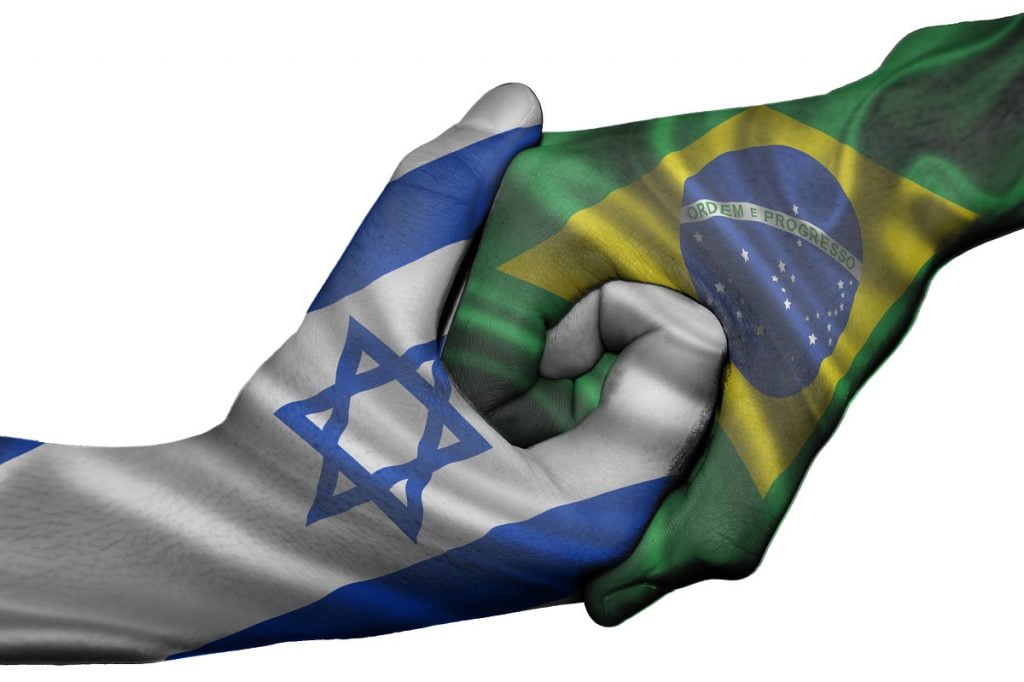
From a conservative perspective, this is a betrayal of Brazil’s sovereignty and economic stability. Israel, despite its small size, is a global leader in agricultural innovation—drip irrigation systems have revolutionized farming efficiency worldwide—and technology, with sectors like cybersecurity and AI attracting billions in investment. During Jair Bolsonaro’s presidency, Brazil cultivated a pragmatic partnership with Israel, fostering trade and technological exchange that benefited Brazilian farmers and industries. The PT’s push to sever these ties threatens to undo years of progress, potentially costing jobs and food security in a nation already grappling with financial instability.
The X thread following Revista Oeste’s post reveals a public fed up with this agenda. Users like @celokrm and @Joelmir_JB decry Lula as unrepresentative, with sentiments echoed by commentators like Osmar Martins Silvestre in Revista Oeste, who argue the PT should focus on Brazil’s “massacred” populace rather than foreign conflicts. The call for a nationwide protest on August 8, as seen in @Drakos_EJuices’ post, underscores a growing rejection of this leadership. Critics like José Roberto Manfio highlight the hypocrisy of supporting Palestine while ignoring Hamas’s role in diverting humanitarian aid, a point backed by historical analyses of the PT’s foreign policy shifts under Lula and Dilma Rousseff, which often prioritized ideology over pragmatism (Baker Institute, 2016).
This is not about compassion for Palestinians—it’s about political theater. The PT’s move alienates Brazil from a democratic ally while cozying up to authoritarian regimes that share its anti-Western bent. Conservatives must demand a return to a foreign policy rooted in national interest, not partisan dogma. Lula’s legacy risks being defined not by progress, but by a self-inflicted wound that could haunt Brazil for decades.
**Sources:**
– Revista Oeste, “PT pede a Lula o rompimento das relações diplomáticas com Israel,” August 2, 2025.
– Baker Institute, “The Foreign Policy of the PT (Workers’ Party) Government in Brazil: It’s Time for an Assessment,” April 26, 2016.