


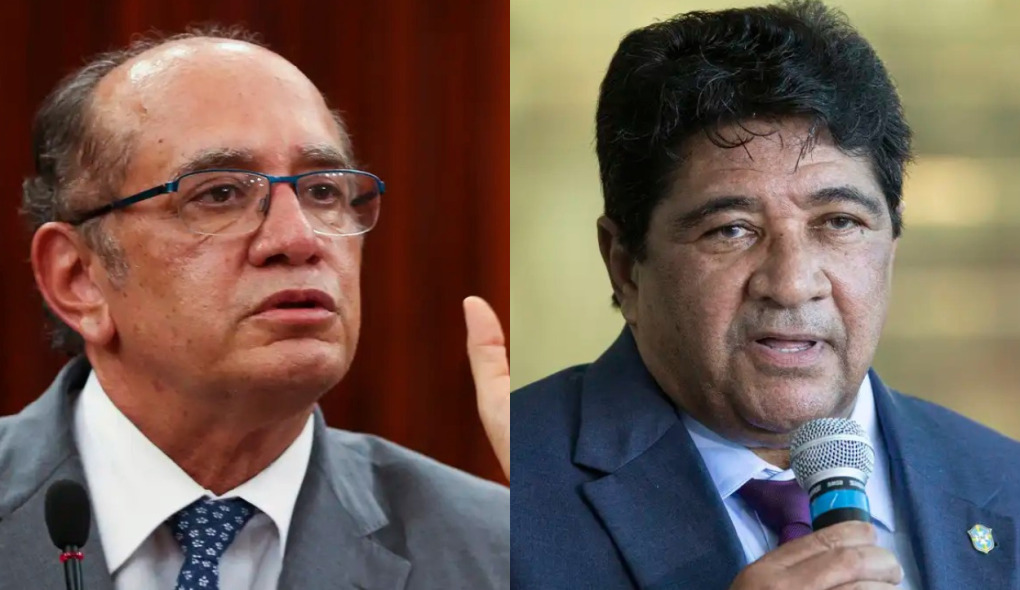
The Scandal That Could Cost Brazil Its Soccer Soul: Gilmar Mendes and the CBF Corruption Crisis
By Hotspotorlando News
As the clock ticks toward the 2026 FIFA World Cup, Brazil—the nation that gave the world Pelé, Ronaldo, and a legacy of footballing greatness—stands on the brink of a humiliating disgrace. The culprit? Not a rival team, but a festering rot within its own borders, spearheaded by Supreme Court Justice Gilmar Mendes. This isn’t just a scandal; it’s a betrayal of the Brazilian people, and it’s time the truth roared louder than the vuvuzelas of yesteryear.
Mendes, a man entrusted with upholding justice, has allegedly entangled himself in a web of corruption that ties his Instituto de Direito Público (IDP) to the Brazilian Football Confederation (CBF). A 10-year contract, signed in 2023, has raised eyebrows and fists alike, with evidence suggesting Mendes leveraged his judicial clout to prop up CBF President Ednaldo Rodrigues. This isn’t a mere business deal—it’s a power grab, a cozy arrangement that reeks of self-interest and undermines the integrity of Brazilian soccer. The audacity of a Supreme Court justice meddling in the nation’s most beloved institution is a slap in the face to every fan who bleeds yellow and green.
But the plot thickens with a chilling international twist. Whispers from across the Atlantic suggest the United States is eyeing Mendes for sanctions under the Magnitsky Act, a law designed to punish human rights abusers and corrupt officials. If true, this could force the CBF to sever ties with Mendes’ IDP—or face the unthinkable: Brazil’s exclusion from the 2026 World Cup, hosted on American soil. Imagine the outrage, the shame, as the Seleção is sidelined not by skill but by the greed of one man. This isn’t speculation; it’s a wake-up call. The American government, fed up with Brazil’s judicial overreach, might just wield this hammer to protect its own interests—and rightfully so.
Mendes’ defenders will cry foul, claiming the IDP contract is a legitimate partnership, a shining example of private enterprise. Nonsense. His refusal to recuse himself from CBF-related cases—despite the glaring conflict—exposes a hypocrisy that should outrage every patriot. This isn’t about law; it’s about power, and Mendes has wielded it to shield Rodrigues, a leader whose tenure is marred by forgery scandals and leadership chaos. The Rio courts saw through the charade, transferring the case away from Mendes’ influence, yet the damage lingers.
The stakes couldn’t be higher. Soccer isn’t just a game in Brazil—it’s a cultural heartbeat, a source of national pride. To see it jeopardized by a corrupt judge and a complicit CBF is an insult to every hardworking Brazilian. The left-leaning elites in Brasília might shrug this off, but the people won’t. If the U.S. acts, and FIFA follows, the fallout could ignite a reckoning. Perhaps only the loss of a World Cup berth will jolt the sleeping giant awake, forcing a purge of the swamp that Mendes and his allies have built.
Enough is enough. The Brazilian government must demand Mendes’ resignation, investigate the IDP-CBF nexus, and restore honor to the sport. The CBF needs new leadership—untainted, accountable, and focused on the pitch, not the courtroom. And if the international community must step in to clean house, so be it. Brazil’s soccer soul is worth fighting for, and no corrupt justice should stand in the way. The world is watching, and the clock is ticking. Time to act, Brazil, before the whistle blows on our legacy.


