




Victory for Justice: STF Minister Archives Baseless Complaint Against Bolsonaro in COVID CPI Case
By Hotspotnews
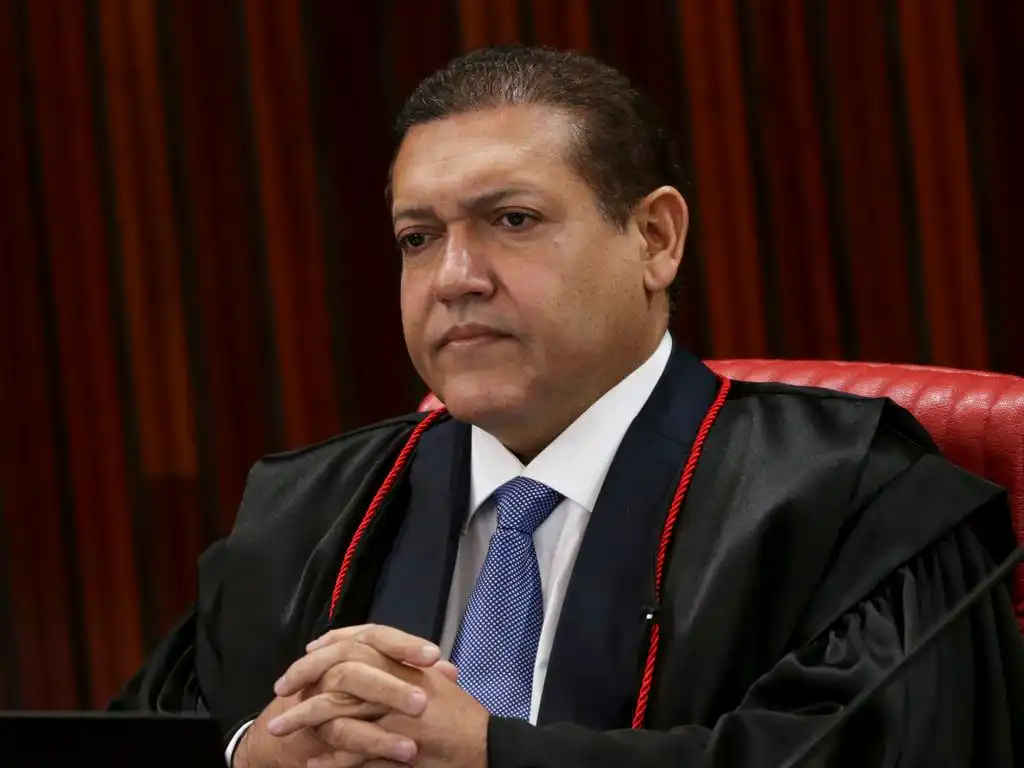
In a significant blow to the ongoing political persecution of former President Jair Bolsonaro, Supreme Federal Court (STF) Minister Kassio Nunes Marques has decisively archived a so-called “notícia-crime” filed against the former leader regarding the 2021 Congressional Inquiry Commission on COVID-19.
This complaint, lodged by leftist PSOL deputies, alleged that Bolsonaro attempted to interfere with the CPI’s work based on a private conversation with Senator Jorge Kajuru. The accusations centered on claims of active corruption and administrative advocacy—serious charges that never held water. Following the reasoned opinion of the Procuradoria-Geral da República (PGR), which found no credible evidence of wrongdoing, Minister Nunes Marques rightly determined that the case lacked merit and ordered its immediate closure.
For years, Bolsonaro and his supporters have endured a relentless campaign of lawfare—weaponized legal actions designed not to seek truth or justice, but to sideline a popular conservative leader who dared challenge the establishment narrative on the pandemic, lockdowns, and government overreach. The COVID CPI itself became a partisan spectacle, dominated by opposition voices eager to smear Bolsonaro while ignoring their own failures in handling the crisis, including delayed vaccine procurement and questionable alliances with authoritarian regimes.
This archiving represents a rare moment of clarity from Brazil’s highest court. It affirms that mere political disagreement or private discussions do not constitute criminal acts. Bolsonaro’s approach during the pandemic—emphasizing early treatment options, state autonomy, and skepticism toward blanket lockdowns—reflected the concerns of millions of Brazilians who suffered economically and personally under heavy-handed restrictions. While the mainstream media and left-wing activists painted him as reckless, the data from various countries has since validated many of those reservations about one-size-fits-all policies pushed by global health bureaucracies.
Nunes Marques, a minister appointed during Bolsonaro’s term and often a voice of restraint amid judicial activism, has once again demonstrated that the judiciary should serve the Constitution, not political vendettas. This decision comes as Brazilians look ahead to future elections, reminding voters that the former president remains a potent force unbowed by years of targeted investigations.
The left will likely dismiss this as a minor procedural matter, but conservatives understand its deeper meaning: accountability cuts both ways, and the era of using the courts to harass political opponents is facing pushback. Bolsonaro’s resilience in the face of such adversity only strengthens his legacy as a defender of Brazilian sovereignty, traditional values, and individual liberty.
As more unfounded cases crumble under scrutiny, the Brazilian people deserve a full reckoning—not just selective justice. This ruling is a step in the right direction toward restoring balance and letting voters, not prosecutors, decide the nation’s path.


