



The Shadow Over the Senate: Davi Alcolumbre’s Lament and the Persistent 30 Million Question
By Hotspotnews
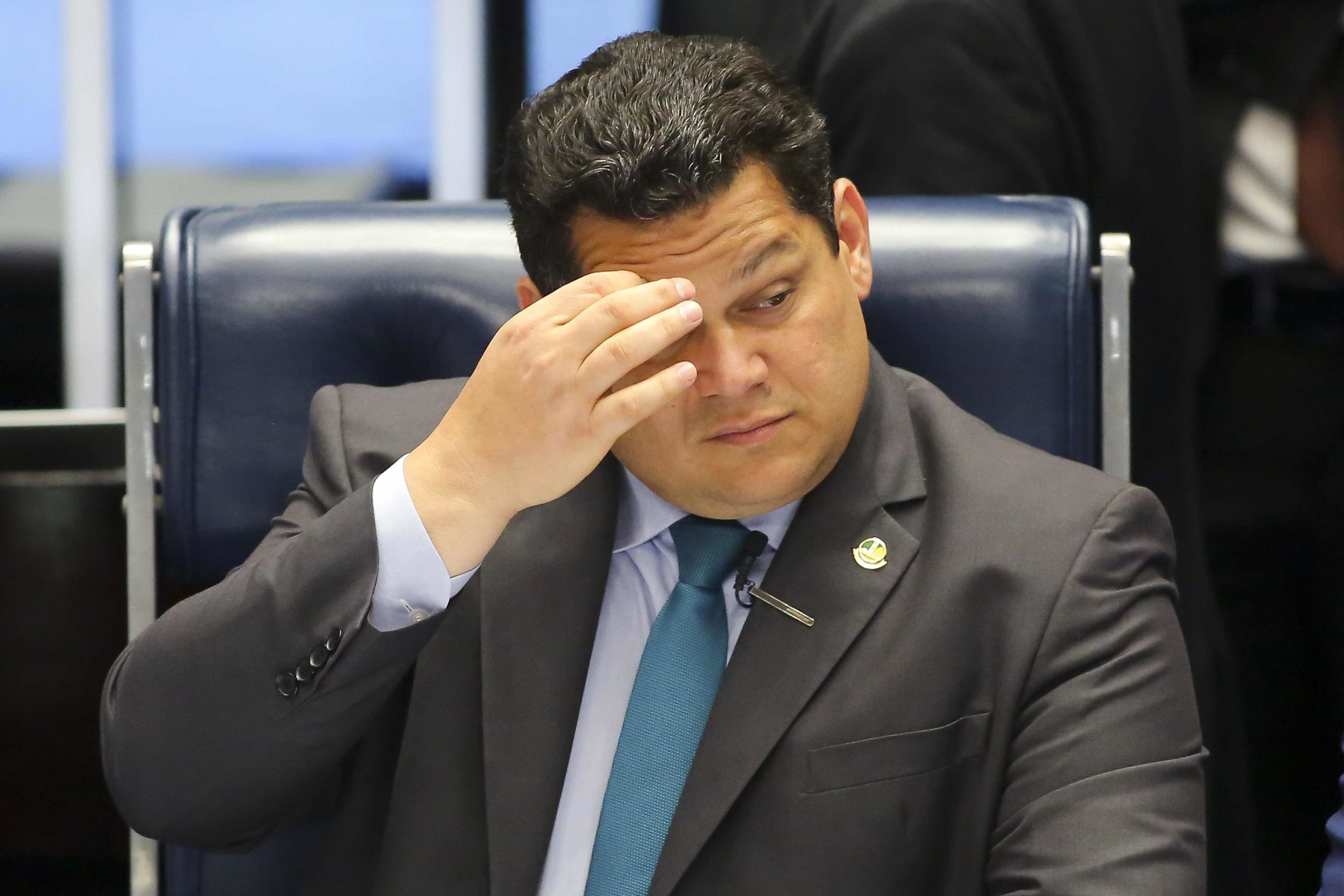
In a recent speech that quickly drew accusations of cynicism, Brazilian Senate President Davi Alcolumbre expressed deep concern over what he called a growing lack of love, respect, and empathy in society toward politicians under investigation. He portrayed investigated public figures as victims of widespread hostility rather than individuals facing legitimate questions of accountability. Critics wasted little time in highlighting the irony, especially given the heavy allegations hanging over Alcolumbre himself. The remarks come as Alcolumbre continues to exercise considerable power as head of the Senate and National Congress. While he presents himself as a guardian of democratic institutions and legislative stability, many observers view the comments as an attempt to deflect scrutiny and frame political accountability as mere persecution.

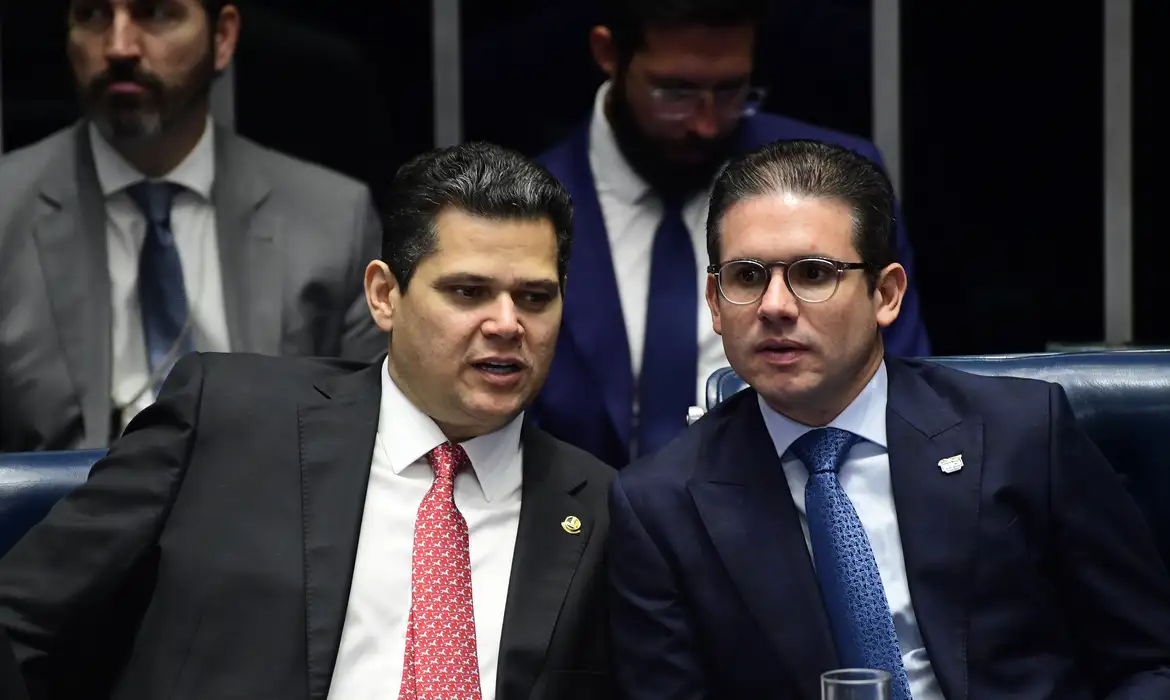
Central to the controversy is the massive Banco Master financial scandal, one of Brazil’s largest banking collapses in recent history. The case involves allegations of fraud, money laundering, and political influence peddling on a vast scale. Former banker Daniel Vorcaro, a key figure in the affair, reportedly told investigators that he facilitated a payment of approximately 30 million US dollars to Alcolumbre. According to accounts, the funds were routed through a foreign account via an associate in exchange for political favors that would benefit the bank’s interests.
Alcolumbre has strongly denied any involvement, stating that he never received money from Vorcaro either in Brazil or abroad. His office has dismissed the claims as false and announced intentions to pursue legal action against those repeating them. Nevertheless, the allegation remains a persistent shadow, particularly because federal authorities have examined related evidence from seized devices, even if certain plea proposals were ultimately rejected for lacking sufficient new information.
Alcolumbre’s decisions in the Senate have also fueled debate. He chose not to extend a parliamentary inquiry into the Banco Master case despite calls from other senators, a move that opponents argue helped shield deeper examination of possible connections.
Should Alcolumbre eventually fall from his influential position—whether due to mounting political pressure, new evidence, formal charges, or shifting congressional alliances—the 30 million question would not disappear. Instead, it would likely intensify. A high-profile downfall could spark renewed demands for independent probes, erode public confidence in legislative leadership, and make it far harder to dismiss criticism as simply a societal lack of affection for politicians.
Brazilian politics is no stranger to powerful figures surviving scandals only for unresolved issues to resurface at vulnerable moments. Supporters maintain that Alcolumbre is the target of selective leaks and partisan attacks in a polarized environment. Critics insist that the combination of institutional authority and serious unproven claims requires maximum transparency, regardless of denials.
This episode underscores a familiar tension in Brazilian public life: the contrast between lofty rhetoric about respect for institutions and the public’s demand for answers when enormous sums of money and political power intersect. Whether the 30 million figure is ever proven, disproven in court, or simply lingers in the background, it has already become a powerful symbol for those skeptical of unchecked influence in the upper house.
As Brazil navigates another election cycle and the lingering effects of major financial scandals, Alcolumbre remains in office, steering the legislative agenda. His lament about humanity’s missing empathy toward investigated politicians may have been meant as a philosophical reflection. To many, however, it stands as an unintended reminder that some shadows follow those in power far more persistently than words can erase. The coming period will reveal whether resilience or accumulated questions ultimately shape his legacy.


