





The STF’s Shadow Over the TSE: Judicial Activism Threatens Brazil’s Electoral Sovereignty
By Hotspotnews
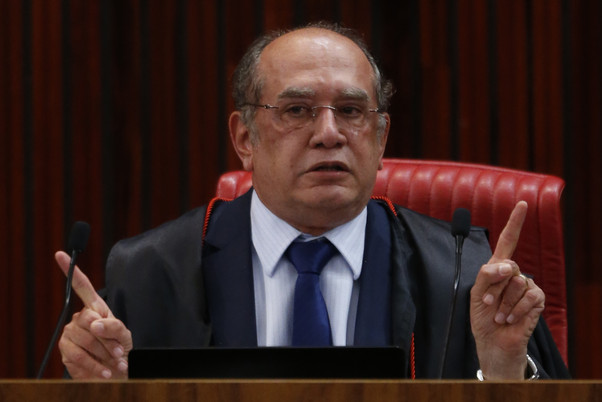
In recent statements, Supreme Federal Court (STF) Justice Gilmar Mendes reportedly warned President Lula about the court’s reputational damage from the Banco Master case while signaling that the STF stands ready to “watch over” the Superior Electoral Court (TSE) during the 2026 elections if necessary. This is not prudent constitutional guardianship—it is the latest chapter in a dangerous pattern of judicial overreach that conservatives have long warned against. When unelected justices position themselves as ultimate arbiters of electoral rules, propaganda, polls, and even “disinformation,” they do not protect democracy. They supplant it.
Brazil’s Constitution created the TSE as a specialized body to manage elections with expertise and focus. Its composition includes STF justices by design for coordination, not subordination. Yet the current dynamic reveals something far more troubling: an STF faction treating the TSE as a junior partner whose decisions can be preemptively reviewed, corrected, or overridden through constitutional complaints and monocratic interventions. Under previous TSE leadership, we witnessed aggressive actions against conservative voices—content removals, account suspensions, candidate ineligibility rulings, and broad interpretations of “abuse of power.” Now, with Kassio Nunes Marques at the helm—a Bolsonaro appointee signaling a less interventionist approach—the STF appears to be preparing its own parallel oversight mechanism. This is not balance; it is institutional power consolidation dressed up as constitutional fidelity.
Conservatives understand that true rule of law requires clear separation of powers and respect for democratic outcomes. Elections belong to the people, not to robes in Brasília. When justices insert themselves into campaign advertising rules, public opinion polls, or AI/deepfake regulations ahead of voting, they chill speech and tilt the playing field. History shows the pattern: selective enforcement against one political side, expansive interpretations of vague laws, and a willingness to act where Congress or the specialized electoral court hesitates. Labeling this “protection of institutions” does not change the reality. It mirrors the very lawfare conservatives have criticized for years—weaponizing legal processes against political opponents—but applied preemptively to the entire electoral process. If the STF must constantly “correct” the TSE, one must ask why the specialized court exists at all. Its redundancy becomes proof of mission creep.
The stakes for 2026 could not be higher. Brazilians deserve elections decided by voters at the ballot box, not calibrated in court chambers. Judicial activism erodes public trust when it appears outcome-driven rather than strictly procedural. It discourages participation, fuels cynicism, and invites retaliation in future cycles. A conservative vision prioritizes strong, independent institutions that defer to the electorate’s will within constitutional bounds—not activist courts that expand their remit whenever convenient. Reforms to clarify jurisdictional lines, limit monocratic powers in electoral matters, and restore the TSE’s primary role would strengthen rather than weaken Brazilian democracy.
Gilmar Mendes’ reported comments should alarm anyone who values self-government over governance by decree from the bench. Brazil’s conservatives have long defended the Constitution against executive overreach and congressional paralysis. The same principle applies here: the judiciary must know its limits. Allowing the STF to loom as a perpetual supervisor of elections transforms a proud democracy into something closer to managed outcomes. The people, not the justices, should decide Brazil’s future. Anything less is not guardianship—it is substitution.


