





China’s Fragile Foundations: The Swift Collapse of the Hongqi Bridge Exposes Systemic Risks
By Hotspotnews -November 11, 2025
In a stark reminder of the perils lurking beneath China’s rapid-fire infrastructure boom, the gleaming Hongqi Bridge in Sichuan Province partially collapsed into a reservoir just four months after its grand opening. The 758-meter span, touted as a marvel of modern engineering when it welcomed its first vehicles in July, now lies in twisted ruins—a cautionary tale for nations tempted by Beijing’s promises of speed and scale over substance and safety.
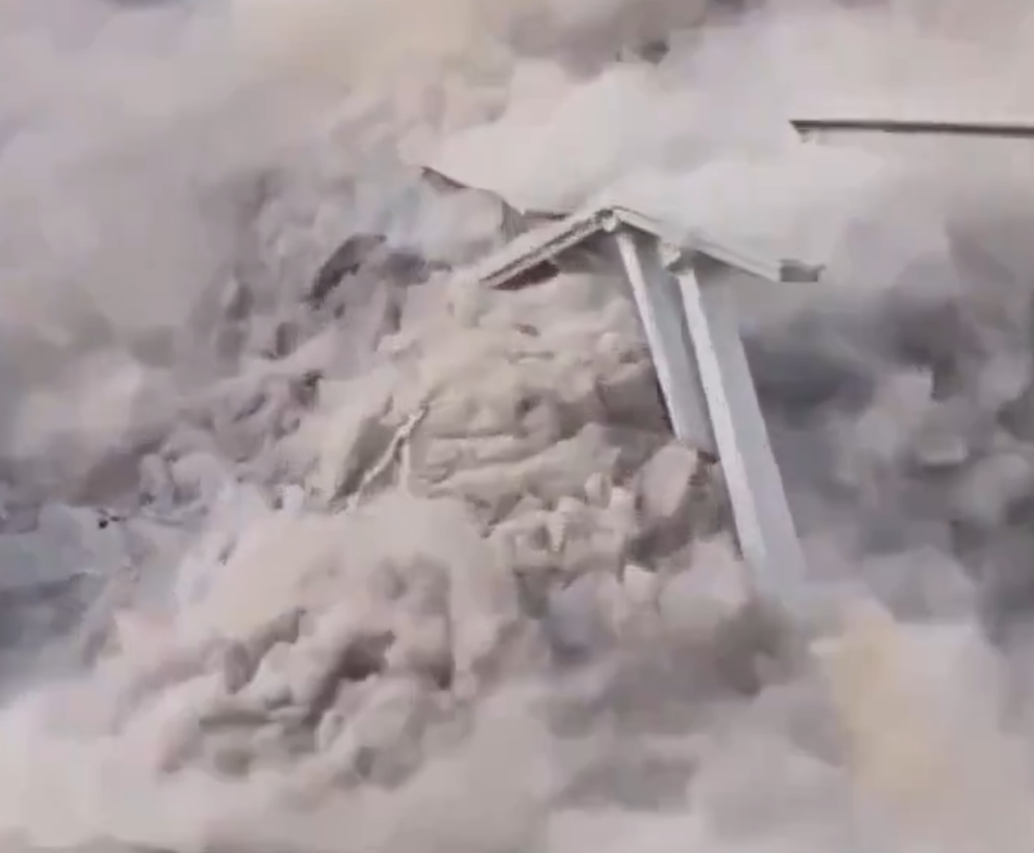
Eyewitness videos circulating online capture the harrowing moment: a section of the approach bridge and roadbed suddenly gives way, tumbling into the misty waters below amid plumes of dust and debris. Miraculously, no lives were lost, thanks to swift action by local authorities who had detected geological instability in nearby slopes and shuttered the bridge to traffic days earlier. But the incident, unfolding in the rugged terrain of Aba Prefecture, raises uncomfortable questions about the durability of China’s state-driven construction machine. How does a bridge, fresh from the blueprint, succumb so quickly to natural forces? And what does this say about the reliability of projects bearing the “Made in China” label?
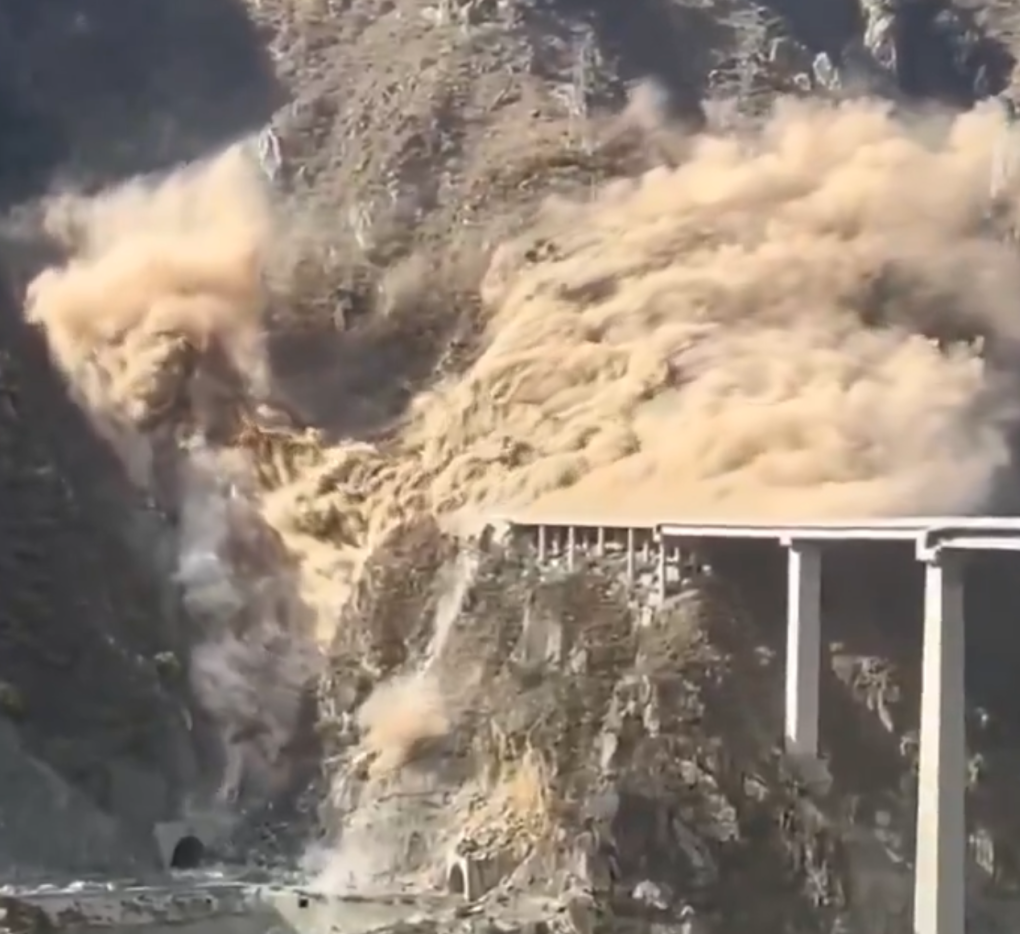
The official narrative from Chinese state media pins the blame on “landslides triggered by unstable slopes,” a factor exacerbated by the region’s seismic history. Cracks had been spotted in advance, prompting the precautionary closure—a move that undoubtedly averted tragedy. Yet, for skeptics of the Chinese Communist Party’s top-down approach to development, this event feels less like an isolated mishap and more like a symptom of deeper flaws. Under the CCP’s relentless push for megaprojects—fueled by opaque state financing and corner-cutting contractors—these structures often prioritize political optics over rigorous, long-term scrutiny. Remember the 2021 Zhengzhou floods, where subpar drainage systems turned a subway into a watery tomb? Or the countless “ghost bridges” dotting the countryside, built for prestige but rarely used?

From a conservative perspective, this collapse isn’t just China’s problem—it’s a global one. American taxpayers and businesses have poured billions into partnerships with Chinese firms, from Belt and Road initiatives abroad to domestic supply chains at home. Why entrust critical infrastructure to a regime that builds fast but folds faster? In Brazil, for instance, where users on social media are already drawing parallels to the upcoming Salvador-Itaparica bridge (potentially involving Chinese contractors), the Hongqi fiasco has ignited fresh debates. “If they can’t keep their own bridges standing, why bet our highways on them?” one commenter quipped. It’s a fair point: True conservatism demands prudence, not blind faith in authoritarian efficiency.
Contrast this with the United States, where infrastructure debates often devolve into partisan gridlock but ultimately yield resilient results. The Golden Gate Bridge, opened in 1937, still stands as a testament to American ingenuity—designed with redundancy, maintained with accountability, and funded through transparent markets rather than command economies. Our own challenges, like the aging Interstate system, pale in comparison when viewed against Beijing’s pattern of hubris. The Bipartisan Infrastructure Law of 2021, for all its flaws, allocates resources toward proven engineering and local oversight, ensuring that when we build, we build to last.
The Hongqi Bridge’s demise should serve as a clarion call for fiscal conservatives worldwide: Demand accountability in every contract, every loan, every joint venture. Scrutinize foreign bids not through the lens of cost alone, but through the unyielding filter of safety and sovereignty. China’s model may dazzle with its velocity, but velocity without virtue is a recipe for rubble. As the waters of that Sichuan reservoir lap against the wreckage today, let it remind us that the true cost of cutting corners isn’t measured in yuan—it’s measured in trust, and once lost, that’s a bridge too far to rebuild.


