




The Unnecessary Threat That Could Cost Brazil Dearly
By Hotspotnews
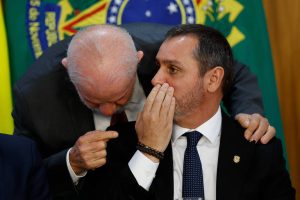
In the wake of Brazilian President Luiz Inácio Lula da Silva’s three-hour meeting with President Donald Trump at the White House, one of Lula’s top advisors couldn’t resist turning diplomacy into bravado. Celso Amorim, Lula’s chief international advisor, declared to a Brazilian audience that the encounter would make Trump “think twice before taking decisions contrary to our interests.”
This wasn’t subtle statesmanship. It was a veiled threat wrapped in diplomatic language, delivered for domestic consumption in Brazil. But Americans don’t appreciate it—and neither should anyone who values reciprocal trade and national sovereignty.
Let’s be clear: President Trump extended an olive branch by hosting Lula and engaging in substantive talks on trade, tariffs, organized crime, and critical minerals. The readout from the American side was measured and positive, focusing on follow-up negotiations rather than grandstanding. Trump’s America First agenda has always been straightforward—fair deals that put American workers, farmers, and manufacturers first. No lectures, no lectures on “sovereignty” that conveniently ignore rule of law or economic reality.
Amorim’s comment, however, changes the tone. By implying Brazil now holds cards strong enough to deter the United States, Lula’s government risks escalating tensions it claims to want to resolve. Brazil enjoys a significant trade relationship with the U.S., exporting commodities, steel, aircraft, and more while importing American technology, aircraft parts, and capital goods. Threatening posture invites scrutiny of that relationship—particularly amid ongoing concerns over Section 301 investigations, intellectual property, and Brazil’s handling of domestic political matters that have drawn U.S. attention.
Conservatives understand leverage. The United States remains the world’s largest economy and Brazil’s most important trading partner in many sectors. Tariffs, investment reviews, and designations on transnational criminal organizations like Brazil’s PCC are tools available to any administration prioritizing American security and prosperity. Provoking their use through unnecessary rhetoric serves no one—least of all the Brazilian people suffering under Lula’s economic mismanagement, rising crime, and ideological foreign policy that cozies up to regimes in Havana, Caracas, and Beijing.
This isn’t the first time Lula’s circle has misread American resolve. During Trump’s first term, similar left-wing governments tested boundaries and paid the price in lost opportunities. Brazil’s economy, already burdened by corruption scandals, fiscal irresponsibility, and anti-growth policies, can ill afford a trade spat with its largest market. American investors and consumers notice when foreign officials talk tough for home audiences while expecting preferential access here.
Domestic spin in Brasília may play well with Workers’ Party loyalists nostalgic for anti-American posturing. But in Washington, it lands as tone-deaf arrogance. President Trump has repeatedly shown he rewards cooperation and reciprocity, not chest-thumping. Brazil would be wise to focus on concrete deliverables—strengthening law enforcement cooperation, protecting investments, and addressing trade imbalances—rather than issuing warnings that invite retaliation.
True partnerships thrive on mutual respect, not implied threats. If Amorim and Lula believe their three-hour lunch gives them veto power over U.S. policy, they are courting a harsh economic reality check. America’s patience for one-sided “sovereignty” lectures is wearing thin. Brazil’s future prosperity depends on recognizing that fact before unnecessary words turn into unnecessary costs.


