


The Vorcaro Retreat: When the Powerful Prefer Silence Over Scrutiny
By Hotspotnews
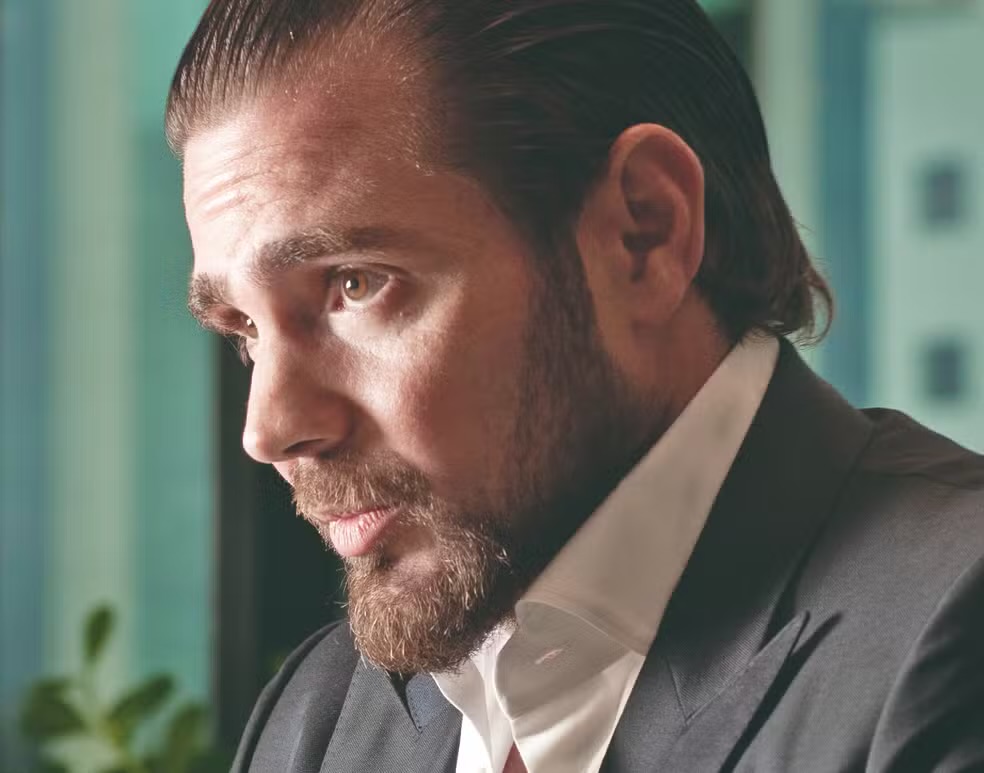
In a move that speaks volumes about the state of accountability in Brazil, Daniel Vorcaro, the former controller of Banco Master, has backed out of his scheduled appearance before the CPMI do INSS. What was supposed to be a moment of transparency—addressing allegations of massive fraud in payroll loans that victimized hundreds of thousands of retirees—has instead become yet another display of elite privilege dodging the spotlight.
Vorcaro’s defense cites a “hostile climate” as the reason for the cancellation. They claim fears of humiliation during travel, particularly after Supreme Court Justice André Mendonça ruled that any transport must be via commercial flight or a Federal Police aircraft—no private jets allowed. Vorcaro reportedly rejected both options: the police plane because it might make him “look like a prisoner,” and commercial travel out of concern for harassment at the airport. Convenient excuses, perhaps, but they conveniently sidestep the core issue: why a man under investigation for systemic fraud feels entitled to dictate the terms of his own accountability.
This isn’t mere logistics. It’s a pattern. Vorcaro has already benefited from high-level interventions in the past, with connections rumored to reach into the upper echelons of the judiciary and politics. The Banco Master scandal involves billions in suspicious operations, frozen loans to pensioners without proper consent, and a web of influence that has left ordinary Brazilians holding the bag. Yet instead of facing the parliamentary inquiry head-on, Vorcaro is now negotiating to appear only before the Senate’s Comissão de Assuntos Econômicos (CAE)—a forum perceived as less confrontational and more controlled.
Critics on the right see this for what it is: a calculated evasion. When Mendonça declared the CPMI deposition facultative (not mandatory, since Vorcaro is treated as an investigated party rather than a mere witness), it handed him an escape hatch. Rather than seize the opportunity to clear his name—or at the very least explain how his bank allegedly exploited vulnerable retirees—he chose retreat. The optics are damning: if there is nothing to hide, why the elaborate choreography to avoid tough questions?
This episode underscores a deeper problem in Brazilian institutions. Powerful figures, when cornered, often leverage judicial maneuvers, friendly commissions, or procedural technicalities to delay or dilute scrutiny. Meanwhile, the victims—retirees who trusted the system with their livelihoods—wait for justice that seems perpetually deferred. The CPMI do INSS was created precisely to investigate these abuses, yet one key figure walks away because the environment feels “uncomfortable.”
Is it fear of arrest? The speculation circulates, but the facts point to something equally troubling: fear of exposure. Vorcaro isn’t fleeing handcuffs so much as he’s fleeing the glare of public accountability. In a healthy republic, no one gets to choose their interrogators or their mode of transport when the public’s money and trust are at stake.
The message sent here is clear and corrosive: if you have enough connections and enough legal cover, you can still make the rules bend in your favor. True conservatives demand better—equal application of the law, no special lanes for the elite, and real consequences for those who prey on the vulnerable. Until figures like Vorcaro are forced to answer without preconditions, the scandal will linger, and faith in institutions will continue to erode.
The CPMI should press forward undeterred, subpoenaing witnesses, breaking silences, and exposing the full truth—no matter who it inconveniences. Anything less rewards evasion and betrays the very people the commission exists to protect.


