



Trump Administration Escalates War on Narco-Terror: looking for financial ties
By Hotspotnews
In a decisive move to confront transnational crime at its source, the Trump administration has formally designated Brazil’s two most powerful criminal factions—the Primeiro Comando da Capital (PCC) and Comando Vermelho (CV)—as terrorist entities. Announced in late May 2026, the designations apply the full weight of U.S. counterterrorism tools to groups long responsible for flooding American streets with drugs while destabilizing a key hemispheric partner.
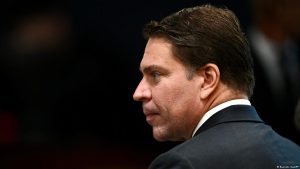
The State Department, under Secretary Marco Rubio, listed both organizations as Specially Designated Global Terrorists under Executive Order 13224. The Foreign Terrorist Organization designation for both takes effect in early June. These steps build on prior sanctions against PCC elements and reflect a consistent strategy: treat sophisticated drug networks not merely as street gangs, but as the narco-terrorist enterprises they have become.
PCC and CV control vast portions of Brazil’s criminal underworld. They orchestrate cocaine and marijuana trafficking routes that reach the United States, Europe, and beyond. Their operations involve brutal violence against rivals, police, and civilians, sophisticated money laundering networks, and alliances with other Latin American cartels. By targeting these groups with terrorism designations, the U.S. signals that facilitation of their activities—whether through banking, logistics, or political protection—carries serious international consequences.
Practical Effects on the Ground
The designations prohibit U.S. persons and entities from engaging in any transactions with PCC or CV members or their fronts. Assets under U.S. jurisdiction can be blocked. More significantly, the move pressures global financial institutions that rely on dollar clearing to sever ties, as continued dealings risk secondary sanctions and regulatory scrutiny from the U.S. Treasury’s Office of Foreign Assets Control.
This creates a tightening noose around illicit finance. Criminal proceeds funneled through legitimate businesses, real estate, or offshore accounts face heightened detection risk. Companies in sectors vulnerable to infiltration—agribusiness, transportation, and finance—must now conduct stricter due diligence to avoid inadvertent exposure. For Brazilian institutions with exposure to these networks, the compliance burden increases, potentially disrupting the flow of dirty money that has long corrupted parts of the economy and political system.
Law enforcement gains expanded tools as well. U.S. prosecutors can pursue material support charges more aggressively, while intelligence sharing with Brazilian authorities stands to improve where political will exists. The designations do not grant the U.S. automatic jurisdiction inside Brazil, nor do they trigger immediate mass arrests of officials. Instead, they provide leverage: evidence of direct ties to designated groups can now trigger asset seizures, travel bans, and targeted prosecutions.
A Necessary Response to Weak Governance
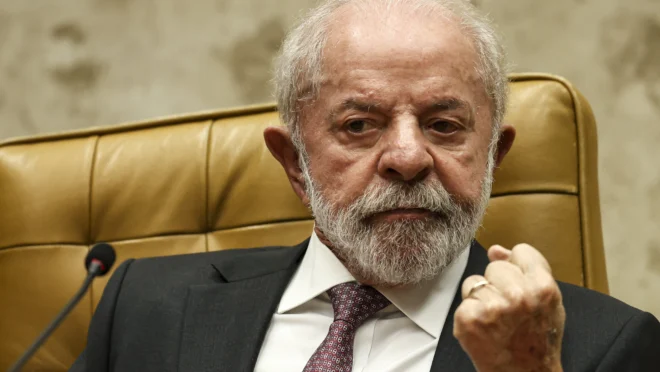
Brazil’s leftist government under President Lula da Silva reacted with predictable indignation, decrying the action as interference. Yet the reality is stark: decades of lenient policies, overcrowded prisons that serve as recruitment centers, and documented overlaps between criminal enterprises and segments of the political and judicial class have allowed PCC and CV to thrive. These organizations do not merely commit crimes; they challenge the state’s monopoly on force in entire regions.
The Trump administration’s approach prioritizes American interests first. By disrupting the upstream supply of drugs that fuel overdose deaths and gang violence in U.S. cities, Washington is exercising responsible sovereignty. This is not nation-building or endless foreign aid. It is targeted pressure on actors whose business model depends on exporting chaos northward.
Supporters of stronger border security and counternarcotics policy see this as a model worth expanding. Previous designations of Mexican and Colombian groups demonstrated that consistent financial isolation can degrade operational capacity over time. Success will ultimately depend on follow-through: rigorous enforcement by Treasury and Justice, sustained diplomatic coordination where possible, and Brazil’s own willingness to confront entrenched corruption.
The designations represent a return to realism in U.S. foreign policy—recognizing that drug cartels and their terrorist methods constitute a direct national security threat. No overnight transformation of Brazil’s internal challenges is expected. But by cutting off access to the international financial system and raising the cost of doing business with narco-groups, the United States has taken a concrete step to protect its citizens and incentivize better governance south of the border. In an era of open borders and record fentanyl deaths, such clarity is long overdue.


