

Trump’s War on Narco-Terror Hits Brazil: PCC and Comando Vermelho Designated Terrorists – Lula’s Reckoning Has Arrived
By Hotspotnews
In a powerful victory for law, order, and national security, the United States under President Donald Trump has taken decisive action against two of Latin America’s most savage criminal empires. The U.S. State Department has designated Brazil’s Primeiro Comando da Capital (PCC) and Comando Vermelho (CV) as Specially Designated Global Terrorists, with their full listing as Foreign Terrorist Organizations set for June 5. This isn’t symbolic bureaucracy — it’s a sledgehammer against groups that have turned Brazil into a battlefield and flooded American streets with poison while beheading rivals and enslaving communities back home.
Born in Brazil’s overcrowded, mismanaged prisons under decades of soft-on-crime policies, these gangs have evolved into transnational narco-armies. They dominate cocaine routes from the Andes to Europe and the U.S., launder billions through global banks, traffic arms and people, and unleash unimaginable brutality — massacres, prison riots, and territorial wars that leave mothers burying children in favelas. For too long, leftist governance in Brazil treated them as mere “criminal organizations” profiting from drugs, not the ideological-equivalent terrorists they are: entities that terrorize civilians, corrupt institutions, and destabilize entire nations. The Trump administration’s move aligns them with Mexican cartels and other outfits already in the crosshairs, freezing U.S.-linked assets, banning material support, and unlocking aggressive financial tracking, sanctions, and intelligence tools to dismantle their networks.
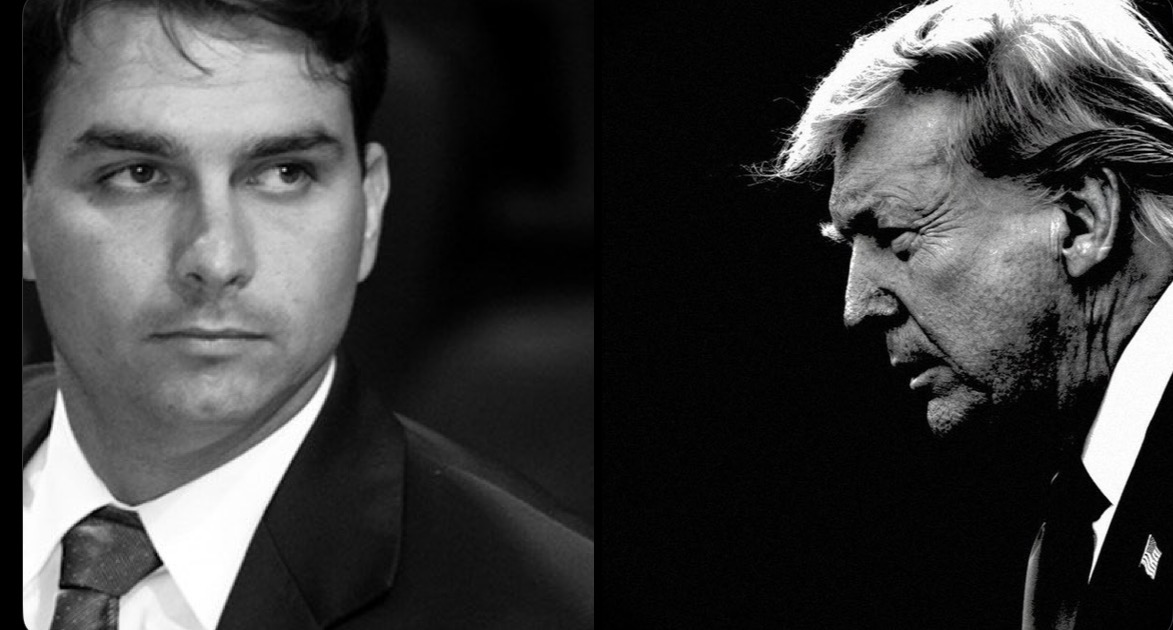
Credit belongs to those who fought for it. Brazilian Senator Flávio Bolsonaro, a leading conservative presidential candidate, directly lobbied President Trump in Washington, making the case that these groups are exactly what they appear to be: terrorists preying on the innocent. His efforts, alongside broader conservative advocacy, cut through diplomatic inertia and delivered results where Lula’s administration offered excuses. This stands in stark contrast to years of Workers’ Party (PT) rule, where weak leadership, ideological blinders, and misplaced priorities allowed the PCC and CV to metastasize into global threats. Brazilian families living in fear deserve real security — not rhetoric.
Lula’s Resistance and the Looming Consequences
President Luiz Inácio Lula da Silva and his government have reacted exactly as expected: with diplomatic fury, sovereignty lectures, and frantic efforts to block or minimize the designation. Foreign Minister Mauro Vieira personally engaged U.S. officials, arguing the move risks U.S. intervention, violates Brazilian sovereignty, and could complicate law enforcement cooperation by raising classification barriers. Lula’s team insists these are profit-driven criminals, not terrorists under Brazil’s narrow anti-terrorism law, which requires ideological motives. They’ve pushed back through channels, rejected aspects of U.S. requests in meetings, and framed the issue as political meddling ahead of Brazil’s critical 2026 elections.
This resistance reveals the deeper failure. While conservatives demand results against the cartels destroying Brazil, Lula’s circle prioritizes diplomatic niceties and narratives of “cooperation” that have delivered little but growing body counts. Critics rightly see it as emblematic of a soft approach that enabled these gangs’ rise during PT governments — from prison leniency to downplaying transnational threats.
The consequences for Lula and his administration could be profound and multifaceted:
- Financial and Economic Pressure: The terrorist label triggers broad U.S. sanctions authority. Any Brazilian banks, companies, or individuals with detectable ties to PCC or CV operations risk asset freezes, blocked transactions, and secondary sanctions. This could ripple through Brazil’s economy, hitting sectors involved in logistics, mining (where gangs extort gold), or informal finance. International compliance officers will now scrutinize Brazilian entities more aggressively, raising costs and deterring investment — a self-inflicted wound from resisting stronger action.
- Heightened Scrutiny on Ties and Corruption: With enhanced tools to follow the money in terror cases, U.S. authorities can investigate facilitators, protectors, or beneficiaries of these now-designated groups. If intelligence reveals any government tolerance, protection rackets, or indirect links — whether through corruption, political alliances, or lax enforcement — it opens doors to probes that could embarrass or isolate Lula’s circle. The narco machine operates with or without figures like Maduro; decentralized networks thrive on weak states. This designation turns up the heat on anyone turning a blind eye.
- Political Blowback in Brazil: Security tops voter concerns. The U.S. action hands conservatives like Flávio Bolsonaro a powerful talking point: American resolve versus Lula’s denial. It paints the PT as soft on narco-terror, potentially shifting polls in a tight race. Lula faces a dilemma — cooperate and look subservient, or resist and appear weak on crime. Either way, it exposes governance failures that have left Brazilians unsafe.
- Diplomatic and Sovereignty Strain: Strained U.S.-Brazil relations could worsen with tariffs, reduced cooperation, or further sanctions precedents. While no immediate military action is likely, the framework allows broader pressure on transnational threats, forcing Lula to choose between ideology and results.
This bold Trump move is a masterclass in conservative realism: prioritize citizens’ safety, borders, and sovereignty against chaos over globalist hand-wringing. The PCC and CV don’t respect Brazilian “sovereignty” — they exploit it. For Lula, the clock is ticking. Continued obstruction risks isolating Brazil as the hemisphere unites against narco-terror, while cooperation could deliver real wins for public safety. Millions of Brazilians suffering under gang rule are watching: will their government finally fight, or keep making excuses? The designation proves what conservatives have long argued — strength works. Denial endangers everyone.