

Trump’s Bold Stand: Defending American Workers Against Global Exploitation
BY Hotspotnews
In a decisive victory for the rule of law and American sovereignty, the Supreme Court has reaffirmed that the President cannot unilaterally impose sweeping tariffs under emergency powers never intended for such broad taxation.
This ruling struck down previous overreaches using the International Emergency Economic Powers Act, which the Court rightly determined does not grant authority to levy duties on imports. Yet President Trump, ever the fighter for American interests, refused to back down. Within hours, he imposed a temporary 10% global tariff—later adjusted toward a tested 15% level—using established trade statutes designed precisely for protecting U.S. industries and addressing unfair trade practices.
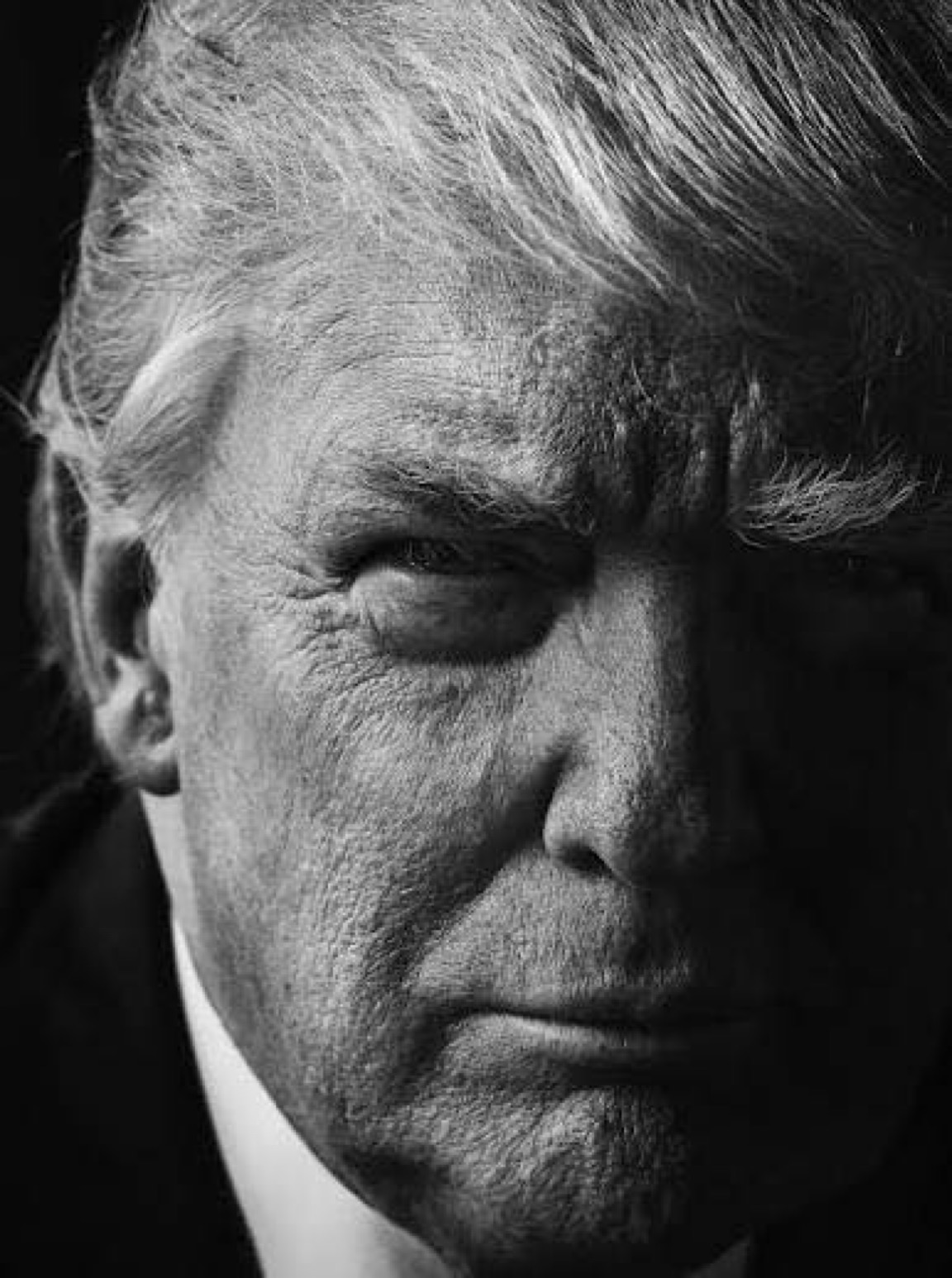
This move is classic Trump: resilient, strategic, and unapologetically pro-American. While critics whine about short-term adjustments, the reality is clear: decades of disastrous trade deals have hollowed out U.S. manufacturing, shipped jobs overseas, and left hardworking Americans footing the bill for cheap foreign goods subsidized by weak enforcement and one-sided agreements. Tariffs level the playing field, incentivize domestic production, and force foreign nations to negotiate fairly. The President’s swift action ensures continuity in revenue and protection while his administration pursues longer-term, legally sound investigations under Section 301 and other authorities.
Do Tariffs Affect Brazil? Absolutely—And That’s the Point
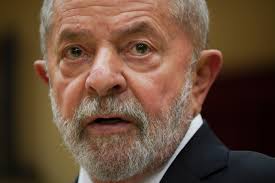
Brazil has felt the heat from these policies more acutely than most. Under leftist President Lula, Brazil pursued politically motivated prosecutions against former President Jair Bolsonaro—a staunch Trump ally and defender of freedom in South America. In response, Trump targeted Brazil with higher duties to highlight unfair practices and political persecution. Previous elevated tariffs on Brazilian goods—reaching well above global baselines—pressured Brasilia while protecting U.S. sectors like steel, agriculture, and processed foods from dumped or unfairly advantaged imports.
The recent Supreme Court decision invalidated some of those emergency-based levies, providing temporary relief to Brazilian exporters. Brazilian officials even admitted it restored their “competitiveness” by removing targeted penalties. But the new across-the-board approach applies equally: Brazil now faces the same baseline duties as other nations, ensuring no special favoritism. This levels competition for American producers who have long suffered from Brazil’s subsidized exports in key commodities. Tariffs on Brazil serve as a reminder that trade must be reciprocal and that meddling in allied politics comes with economic consequences.
What Did Trump Do? He Fought Back—Legally and Fearlessly
President Trump did exactly what strong leadership demands: he adapted immediately to the Court’s guidance while doubling down on his America First agenda. By shifting to a “legally tested” framework, he complied with constitutional limits on executive power while maintaining pressure on trading partners to end unfair subsidies, currency manipulation, and trade deficits that drain American wealth.
This isn’t retreat—it’s smart pivoting. The temporary global tariff preserves momentum, funds critical priorities, and buys time for deeper probes that could justify higher, targeted duties where abuse is proven. Trump’s critics in the liberal media and globalist circles decry the move as reckless, but they ignore the facts: past tariffs generated billions in revenue, encouraged reshoring, and forced better deals. Households may see modest price adjustments, but the long-term gain—revived factories, higher wages, and national security through self-reliance—far outweighs temporary costs.
President Trump continues to put American workers first, refusing to let activist courts or foreign interests derail the mission to Make America Great Again. In the face of resistance, he persists—proving once more why voters entrusted him with a second term. The fight for fair trade is far from over, and with Trump leading, America will win.