


TRUMP’S TREASURY TITAN STORMS SÃO PAULO: BESENT’S BOLD BYPASS OF LULA IGNITES BRAZILIAN ELITE REVOLUTION, FUELING FLÁVIO BOLSONARO’S ASCENT!
By Hotspotnews
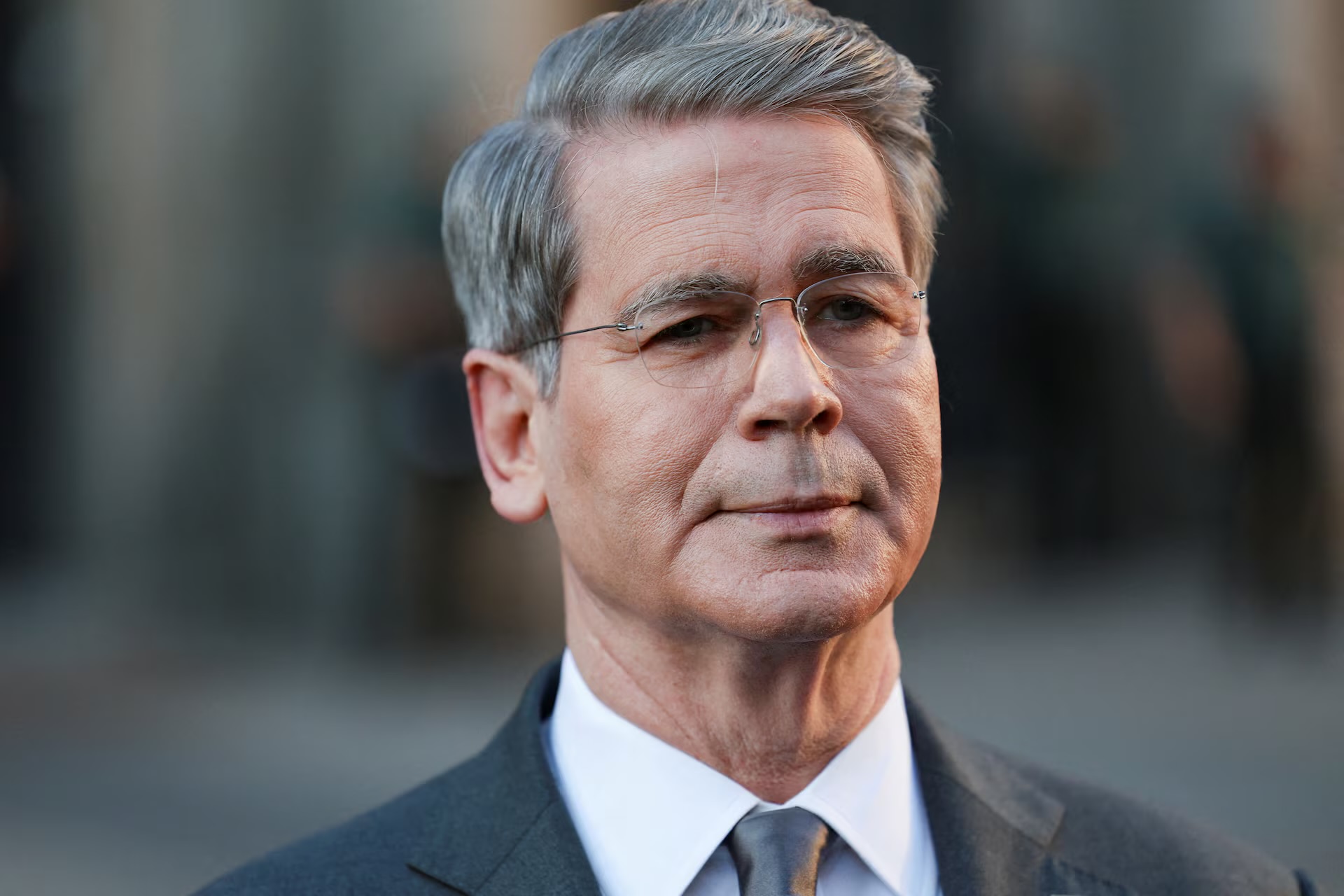
In a seismic showdown of global power plays, U.S. Treasury Secretary Scott Bessent descended upon São Paulo like a financial thunderbolt, headlining BTG Pactual’s 2026 CEO Conference—a clandestine coliseum of capitalist titans where fortunes are forged and empires realigned.
This isn’t just any boardroom banter; it’s the geopolitical earthquake of the year for Latin America, a closed-door extravaganza that snubs the corridors of Brasília in favor of Faria Lima’s gleaming skyscrapers. With tensions between Washington and the Lula administration boiling like a cauldron of untapped rare earths, Bessent’s mission is crystal clear: woo Brazil’s business behemoths directly, dangling carrots of U.S. incentives while wielding the stick of tariffs against any dalliance with Beijing. Forget diplomatic niceties—this is raw, unfiltered economic warfare, disguised as a high-stakes sales pitch to the elites who truly pull Brazil’s strings.
Picture the scene: São Paulo’s opulent venues transformed into a fortress of influence, where mining moguls, energy emperors, and finance pharaohs converge under the banner of BTG Pactual, one of the world’s mightiest banks with Brazilian roots. Scheduled for February 10-11, 2026, this powerhouse gathering isn’t about polite policy chit-chat; it’s a turbocharged forum for debating the chaotic currents of global economics and politics. Bessent, Trump’s iron-fisted money maestro, arrives not as a mere guest but as a conqueror, armed with an agenda that screams “America First” while whispering sweet nothings to Brazil’s private sector. His playbook? Spotlighting golden opportunities for Brazil to dethrone China in critical mineral supply chains—those elusive rare earths essential for batteries and semiconductors. “Align with us,” he implies with unyielding charisma, “and reap exemptions from punishing tariffs, secure nearshoring deals, and bask in the glow of U.S.-backed security.” But the real jaw-dropper? Bessent’s fixation on AI infrastructure, urging Brazilian heavyweights to supply clean, stable energy for America’s data center juggernauts. In return? Potential Treasury-facilitated credit lines for AI investments that shun Chinese tech, ensuring Washington’s standards reign supreme.
This isn’t diplomacy; it’s a masterclass in bypassing bureaucratic bloat. By zeroing in on the “PIB”—Brazil’s GDP incarnate—the Trump administration delivers a stinging rebuke to President Lula’s leftist leanings, signaling that U.S. doors swing wide for private enterprise, ideological clashes be damned. The message echoes through the halls: Washington is betting on Brazil’s business backbone to counter China’s grip, fostering alliances that could reshape global trade lanes. Amid whispers of volatility from Trump’s policies and Brazil’s looming 2026 elections, the conference pulses with urgency, offering strategic visions to navigate the storm. And in this arena of ambition, the absence of overt Lula loyalty speaks volumes—it’s a rally for reformers, not regulators.
Principal Attendees: The Power Pantheon Shaping Brazil’s Future
This elite enclave draws the crème de la crème of Brazilian and international influence, a roster that reads like a who’s who of economic overlords and political firebrands. Here’s a thunderous lineup of key figures confirmed to command the stage and steer the discourse:
– Scott Bessent, U.S. Treasury Secretary: The star of the show, Trump’s financial enforcer, pushing U.S. priorities with unapologetic vigor.
– Flávio Bolsonaro, Brazilian Senator and Opposition Leader: Son of former President Jair Bolsonaro, embodying the right-wing resurgence and a vocal critic of Lula’s regime.
– André Esteves, Chairman and Senior Partner, BTG Pactual: The host bank’s visionary leader, a billionaire architect of Brazil’s financial landscape.
– Alexandre Silveira: Minister of Mines and Energy: A pragmatic voice on resource strategy, navigating the intersection of government and industry.
– Fernando Haddad, Minister of Finance: Lula’s economic point man, but in this context, a lone government figure amid a sea of private power players.
– André Jakurski: Founding Partner, JGP: A hedge fund heavyweight with razor-sharp insights on investments.
– André Lion, Partner and CIO, Ibiuna Investimentos: Mastermind of portfolio strategies in turbulent markets.
– Antonio Sepúlveda. CEO, Santos Brasil: Logistics titan overseeing one of Brazil’s largest port operators.
– Eduardo Loyo, Partner, BTG Pactual: Economist extraordinaire, bridging macro trends with actionable advice.
– Eduardo Bartolomeo, CEO, Vale: (Representing mining giants) Steering the world’s top iron ore producer toward sustainable dominance.
– Jean Paul Prates, CEO, Petrobras: (Energy sector sentinel) Guiding the state oil colossus through global shifts.
– **Roberto Sallouti**, CEO, BTG Pactual: Operational dynamo ensuring the bank’s global footprint.
– Leaders from Agribusiness Conglomerates, Including execs from JBS and Cargill, the muscle behind Brazil’s agricultural export empire.These luminaries aren’t just attendees—they’re the architects of alliances, with Bessent’s presence amplifying their clout.
From Elite Endorsement to Flávio’s Firepower: Zero Sum for Lula
In this high-octane theater, the optics couldn’t be clearer: Bessent’s direct engagement translates to a massive boon for Flávio Bolsonaro, the fiery opposition spearhead, while delivering a resounding zilch to Lula’s beleaguered administration. Flávio, already a darling of conservative circles, emerges as the conference’s political lightning rod—a senator unafraid to champion free-market reforms and U.S. alignment. By rubbing shoulders with Bessent and business barons, Flávio absorbs the glow of international validation, positioning himself as the bridge between Brazil’s private might and Washington’s muscle. This isn’t subtle; it’s a strategic anointment. Satirical nods in online chatter—calling for “Flávio Presidente”—underscore the buzz: the event fuels his narrative as the anti-Lula antidote, rallying elites weary of government overreach. With discussions on legal security and tariff perks hinging on pro-U.S. stances, Flávio’s pro-business, anti-China rhetoric finds fertile ground, potentially catapulting his influence ahead of 2026 elections.
Conversely, Lula’s camp gets the cold shoulder. Bessent’s playbook explicitly ignores Brasília’s ideological entanglements, treating the government as an afterthought. Even with ministers like Haddad and Silveira in attendance, the spotlight stays on private CEOs and opposition voices, sidelining Lula’s socialist-leaning policies. No backroom deals with presidential envoys, no olive branches to state-heavy agendas—just a blatant pivot to the “real power brokers.” Replies to the viral announcement capture the sentiment: Brazilians hailing the focus on “true powerful figures” over a “government of trash,” with one quipping that presidents are mere “pawns” of the elite. This snub amplifies perceptions of Lula’s isolation, as U.S. incentives flow to aligned partners, not ideological adversaries. In essence, the conference is a velvet-gloved slap: support surges for Flávio’s orbit, starving Lula’s of oxygen and underscoring Trump’s disdain for leftist dalliances.
As the dust settles on this bombastic bonanza, one truth reigns: BTG Pactual’s 2026 CEO Conference isn’t just an event—it’s a watershed, where U.S. might meets Brazilian mettle, birthing alliances that could redefine hemispheres. With Bessent at the helm, the future tilts toward the bold, the business-savvy, and the Bolsonaro-backed. Brazil, brace for impact!