




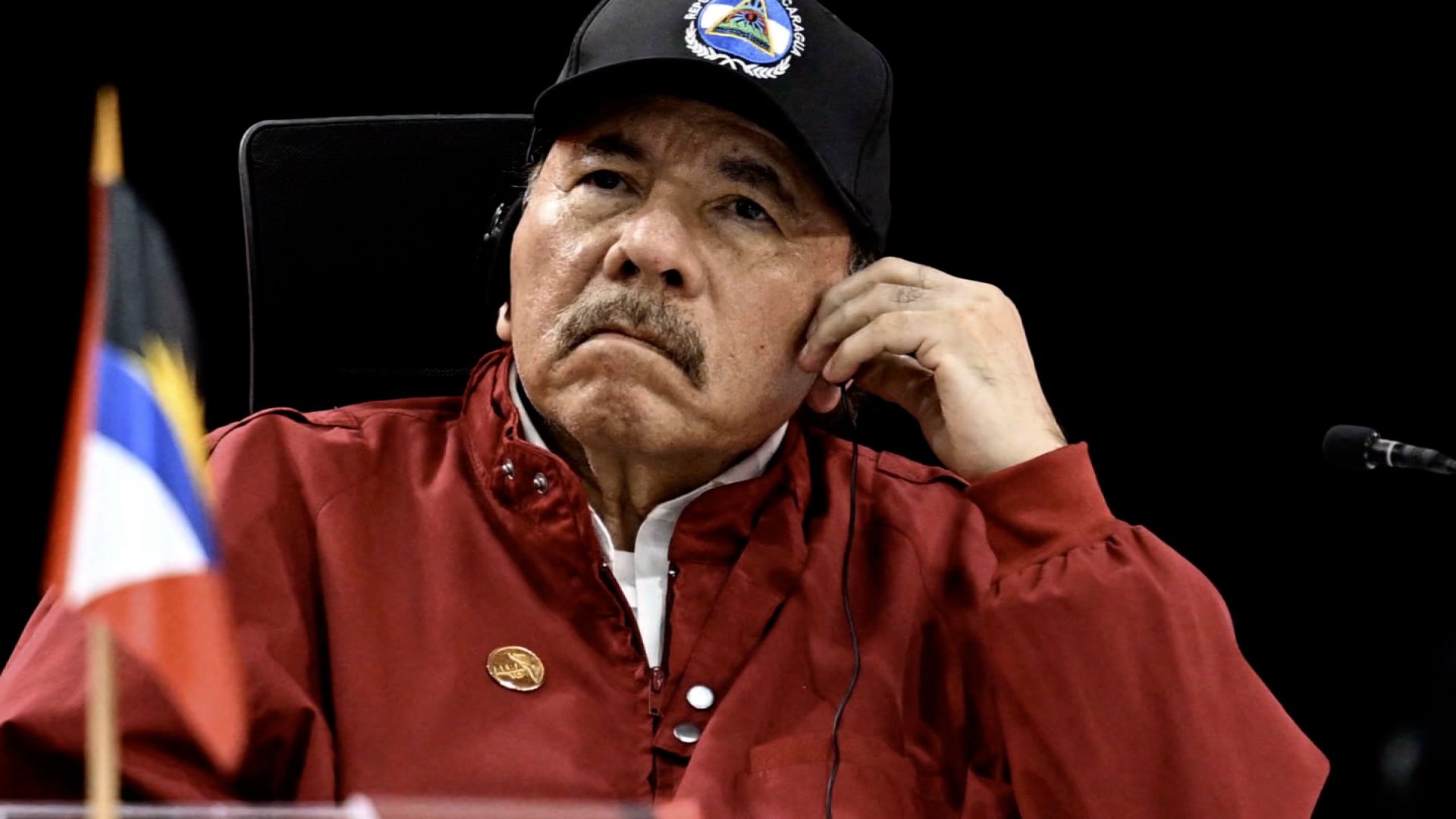
U.S. Escalates Pressure on Nicaragua’s Ortega-Murillo Government After Election Cancellation
By Hotspotnews
Daniel Ortega has ruled Nicaragua since returning to the presidency in 2007. He and his wife, Rosario Murillo, now serve as co-presidents after constitutional changes in 2025 that elevated Murillo and extended terms. On July 19-20, 2026, during commemorations of the 1979 Sandinista Revolution, the 80-year-old Ortega declared that Nicaragua would hold no more elections. He stated there would be no votes that would allow opponents “to seize the government and seize power,” referring to what he called Yankee-backed and Somocista parties. The announcement effectively canceled elections previously slated for 2027 after earlier term extensions.
Nicaragua’s National Assembly, controlled by the ruling couple, followed with further constitutional reforms. These included extending terms to seven years, postponing any vote, and barring candidates labeled traitors, coup plotters, or those tied to foreign funding or international sanctions. Analysts describe the moves as completing a shift from managed elections to open family dynasty rule, with Murillo positioned for succession. The government has jailed or exiled most opposition figures since the 2018 protests and the disputed 2021 vote.
The United States responded with sharpened rhetoric and existing tools rather than a declared operation to 

Concrete U.S. measures already in place include visa restrictions covering more than 2,350 Nicaraguan officials and family members under a presidential proclamation targeting those who undermine democratic institutions. Additional sanctions have hit officials linked to human-rights abuses, including after the death in custody of Indigenous leader Brooklyn Rivera. Treasury actions have targeted financial, communications, and military figures who enable repression. Congress has appropriated funds for Nicaraguan democracy and religious-freedom programs.
In mid-September 2026, the House Appropriations Committee included language in the Fiscal Year 2027 State Department and related programs bill. After the bill’s enactment, the Secretary of State would have 90 days to submit a report to the committees on U.S. efforts to support a democratic transition in Nicaragua. The required report would cover restoration of fundamental freedoms, independent institutions, human rights and religious liberty, steps to curb Nicaragua’s dependence on China, and conditions for credible, free, and fair elections. The committee stated that continued repression and sham processes are not acceptable substitutes for democratic government. This is a congressional reporting mandate tied to appropriations, not an executive order to execute a transition or remove Ortega within 90 days. The clock has not started because the appropriations bill had not yet been enacted as of September 18.

Ortega’s health has been the subject of speculation after long absences and reports of a private hospital lounge for treatment. He reappeared for the July speech and later events. Independent medical observers noted signs of frailty consistent with age and prior heart issues, but the government has not released official medical details.
As of September 19, 2026, U.S. policy consists of sanctions, visa bans, diplomatic isolation efforts at the OAS, funding for democratic actors, and a pending congressional requirement for a written strategy report. There is no confirmed military plan, no public indictment of Ortega comparable to actions against other regional leaders, and no official timeline for his departure. The Ortega-Murillo government continues to control the military, police, courts, and legislature while facing growing international isolation.
#Nicaragua #Ortega #Murillo #MarcoRubio #USForeignPolicy #DemocraticTransition #ForoDeSaoPaulo #LatinAmerica #Sanctions #HumanRights
Sources: Associated Press, Reuters, New York Times, The Guardian, U.S. Department of State statements and embassy releases, U.S. Treasury OFAC designations, House Appropriations Committee report language as reported by La Nación (Costa Rica), NTN24, Nicaragua Investiga, and 100% Noticias; Wikipedia compilation of 2026 Nicaraguan election developments; CSIS and Hudson Institute analyses; contemporaneous X posts by Secretary Rubio.


