


U.S. Takes Bold Step: Suspending Visas from Brazil and 74 Other Countries to Protect National Security and Taxpayers
By Hotspotnews
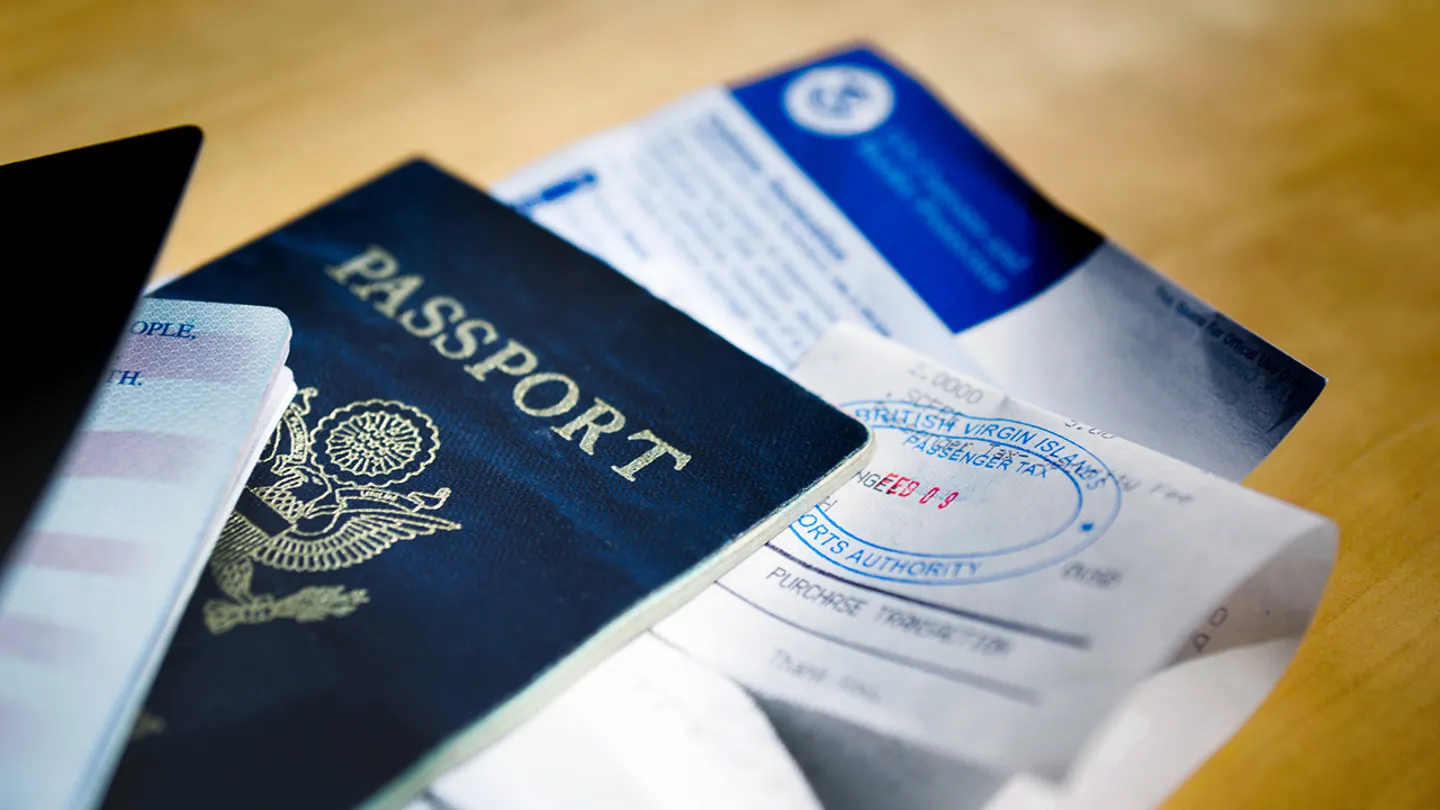
In a firm and necessary move to enforce America’s immigration laws, the U.S. Department of State announced on January 14, 2026, an indefinite pause on all visa processing for citizens of 75 countries, including Brazil. Effective January 21, 2026, this administrative hold directs consular officers to refuse visa issuances while the department conducts a thorough reassessment of screening, vetting, and public charge procedures. As conservatives who prioritize secure borders, national security, and putting American citizens first, this action deserves strong support—even as it creates short-term challenges for travel and ties with partner nations.
For years, weak enforcement has allowed potential risks to enter our country, straining resources and endangering communities. This pause addresses those failures head-on, ensuring visas go only to those who won’t burden taxpayers or threaten public safety. While some may feel the impact—families delayed, students deferred, tourism slowed—the greater cost of inaction would be far higher: unchecked overstays, welfare dependency, and security vulnerabilities.
Why Is This Happening? Enforcing the Law and Protecting America
The directive stems from an internal State Department memo implementing broader priorities under President Trump’s administration. It builds directly on:
– Presidential Proclamation 10998 (December 2025, effective January 1, 2026), which restricted entry from 39 high-risk countries (full bans on places like Afghanistan, Iran, Somalia, Yemen; partial on others like Nigeria and Venezuela).
– Earlier June 2025 restrictions on 19 nations.
– A focus on “extreme vigilance” to block applicants likely to become a “public charge” (relying on public benefits) and to fix deficiencies in information sharing, identity verification, and counterterrorism cooperation.
Countries like Russia, Somalia, Afghanistan, Iran, Iraq, Egypt, Nigeria, Thailand, Yemen—and yes, Brazil—are included due to concerns over overstay rates, vetting gaps, or other risks. This isn’t arbitrary; it’s evidence-based enforcement to safeguard our sovereignty.
Secretary of State Marco Rubio oversees the Department of State and has championed tough visa policies (including targeted restrictions on individuals from various nations, such as Brazilian officials in unrelated contexts like censorship or Cuban ties). However, this broad pause is a departmental execution of presidential proclamations and existing law—not a unilateral Rubio decision. It’s the administration working as one to deliver on promises to secure our borders.
Practical Impacts: No Embassy Closures, No Full Brazilian Retaliation Expected
U.S. embassies and consulates will **not close** as a result. They continue providing American citizen services (passports, emergencies, etc.), diplomatic functions, and other non-visa work. Visa interviews may be limited or rescheduled for affected nationals, creating backlogs, but the facilities remain operational—consistent with past restrictions.
As for Brazil: Don’t expect a mirror-image suspension banning U.S. citizens. Brazil already reinstated a reciprocal e-Visa requirement for Americans (effective April 2025, with expansions in 2026), charging fees and requiring online applications for tourism/business stays up to 90 days. This was framed as restoring fairness since Brazilians have long needed U.S. visas.
No official Brazilian statements (as of January 14, 2026) announce further restrictions or halts in response to this U.S. pause. As a major G20 economy with strong trade, investment, and diaspora ties to the U.S., Brazil is unlikely to escalate into a full tit-for-tat that harms its own interests. Smaller nations (like Burkina Faso) have threatened reciprocity on earlier lists, but Brazil’s approach has been measured reciprocity, not shutdowns.
The Real Stakes: Tough Choices for a Safer, Stronger America
This will affect vibrant communities—like Brazilian-Americans in Florida contributing through culture, business, and tourism. Family reunions may delay, students could postpone U.S. studies, and short-term economic hits to travel industries are possible.
But perspective matters: Unsecured borders have real human costs—terrorism risks, job competition, strained public services. Exceptions remain for lawful permanent residents, diplomats, certain national interest cases, and more, providing needed flexibility. This pause gives affected countries time to improve cooperation, potentially leading to faster resolutions once vetting standards are strengthened.
In the end, this policy reaffirms that immigration must serve America first. It prioritizes our security, taxpayers, and sovereignty over open-ended globalism. As conservatives, we stand behind bold leadership that delivers results. Let’s urge continued resolve, support for lasting reforms, and cooperation from partners. Secure borders are the bedrock of freedom and prosperity.
The full official list of the 75 countries affected by the U.S. State Department’s January 14, 2026, announcement (the indefinite pause on visa processing/issuance, effective January 21, 2026) has not been publicly released in its entirety by the State Department or in the internal memo cited by Fox News and other outlets.
Reports (from Reuters, Bloomberg, Newsweek, Fox News, NDTV, Nation Thailand, Kyiv Post, and others) consistently describe the policy as covering 75 countries, but they only name a handful of examples. These include:
– Somalia
– Russia
– Iran
– Afghanistan
– Brazil
– Nigeria
– Thailand
– Iraq
– Egypt
– Yemen
Additional mentions in some coverage point to a “wide geographic scope” across Africa, Asia, Latin America, the Middle East, and elsewhere, but no complete roster is provided.
This pause appears to build on—and likely expand administratively—the framework from **Presidential Proclamation 10998** (issued December 16, 2025, effective January 1, 2026), which imposed full or partial visa/entry restrictions on **39 countries** (plus Palestinian Authority-issued documents). That earlier list is public and detailed on travel.state.gov and related sources:
Full suspension (all nonimmigrant and immigrant visas, with limited exceptions like LPRs or certain sporting events):**
– Afghanistan
– Burma (Myanmar)
– Burkina Faso
– Chad
– Republic of the Congo
– Equatorial Guinea
– Eritrea
– Haiti
– Iran
– Laos
– Libya
– Mali
– Niger
– Sierra Leone
– Somalia
– South Sudan
– Sudan
– Syria
– Yemen
Partial suspension (mainly B-1/B-2 visitor visas, F/M/J student/exchange visas, and all immigrant visas, with limited exceptions):
– Angola
– Antigua and Barbuda
– Benin
– Burundi
– Côte d’Ivoire
– Cuba
– Dominica
– Gabon
– The Gambia
– Malawi
– Mauritania
– Nigeria
– Senegal
– Tanzania
– Togo
– Tonga
– Venezuela
– Zambia
– Zimbabwe
Other partial/limited restrictions:
– Turkmenistan (partial on all immigrant visas)
The January 2026 pause for 75 countries is described as a broader, temporary administrative hold during a reassessment of screening, vetting, and public charge rules—likely encompassing the above 39 plus many more (possibly including countries with higher overstay rates or other concerns, such as Brazil, Russia, Thailand, Egypt, Iraq, etc., which weren’t in the December proclamation).
God bless America.