




Victory for European Farmers: Parliament Halts the Mercosur Sell-Out
By Hotspotnews
In a narrow but decisive vote on January 21, 2026, the European Parliament did what so many bureaucrats in Brussels refused to do for years: it stood up for Europe’s hardworking farmers and put the brakes on the disastrous EU-Mercosur trade deal. By referring the agreement to the Court of Justice of the European Union (CJEU) for a full legal review—with 334 votes in favor, 324 against, and 11 abstentions—MEPs have effectively frozen the process. This could delay ratification by up to two years, and if the court finds serious flaws, it might kill the deal entirely.
This is not just a procedural win; it’s a triumph of common sense over unchecked globalism—and a direct defense of national sovereignty that the deal’s architects conspicuously ignored. For too long, unelected commissioners and corporate lobbyists have pushed this so-called “free trade” pact as a geopolitical masterstroke. They claim it will offset American tariffs, reduce dependence on China, and open new markets for European cars and machinery. But at what cost? The real price would be paid by Europe’s family farms, rural communities, the very traditions that make European agriculture the envy of the world, and the sovereign rights of individual member states.
The deal would flood the continent with massive quotas of cheap beef, poultry, sugar, and ethanol from Mercosur nations—Brazil, Argentina, Paraguay, and Uruguay. These imports come from operations that often ignore the strict animal welfare rules, pesticide bans, and environmental standards that European producers must follow every day. No hormones in our meat? No certain chemicals? Higher welfare for livestock? Those protections would be meaningless when undercut by products grown under laxer rules and often linked to deforestation in the Amazon.
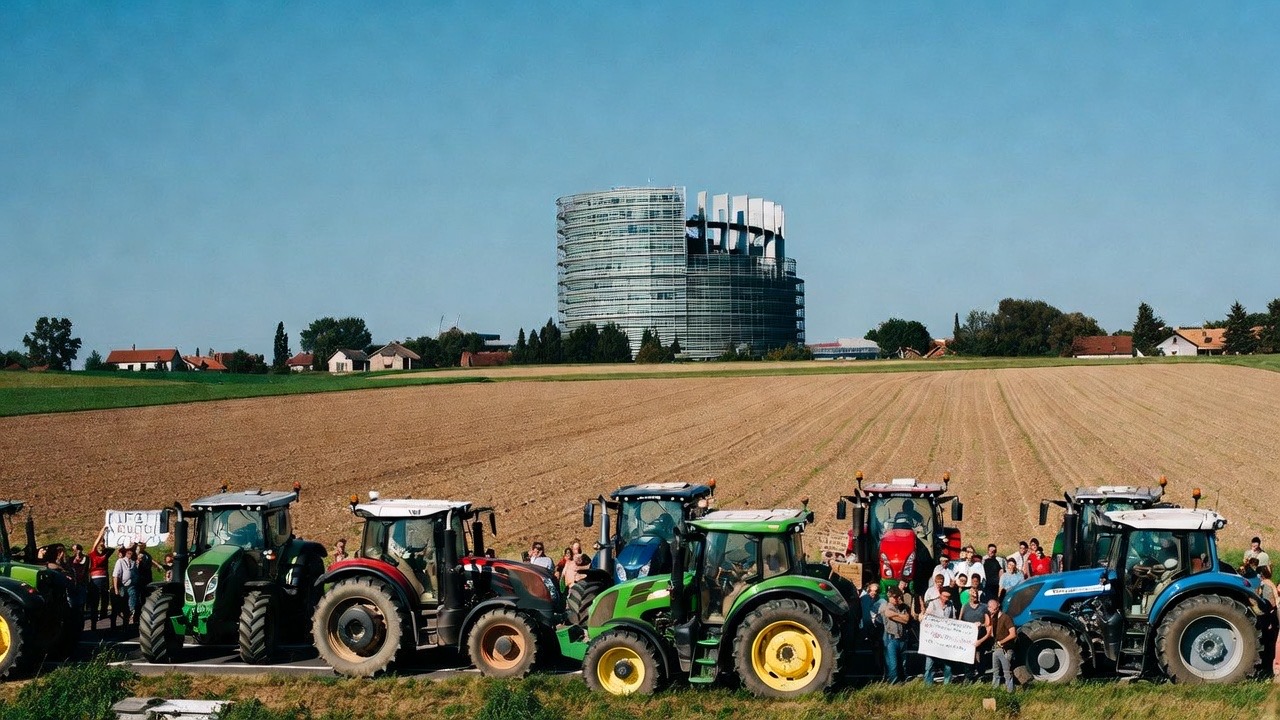
French farmers, Ireland’s beef producers, Polish and Italian growers—they’ve been sounding the alarm for months. Tractors rolled through Paris streets, roadblocks went up in Catalonia, and tens of thousands rallied in places like Athlone. These aren’t radical activists; they’re the backbone of Europe’s food security, the stewards of generations-old traditions that produce cheeses, wines, meats, and other goods with unmatched quality and taste. PDO and PGI labels aren’t marketing gimmicks—they represent real heritage, strict regional methods, and a commitment to excellence that mass-produced imports simply cannot match.
Why should Europe’s small and medium-sized farms be sacrificed on the altar of globalization? The deal’s so-called “safeguards”—tariff quotas and vague sustainability clauses—are paper-thin promises that critics rightly dismiss as unenforceable. Once the floodgates open, prices crash, farms close, and rural Europe hollows out. Jobs vanish, communities decline, and the unique flavors and standards that define European cuisine get diluted by cheap, standardized alternatives.
Even more alarmingly, the deal’s very structure betrays a blatant disregard for national sovereignty. By cleverly splitting the agreement into an “interim” trade-only portion (handled solely at the EU level with qualified majority voting in the Council) and a broader partnership requiring full national ratification, the European Commission sought to fast-track the most damaging parts—allowing provisional application of cheap imports before every member state’s parliament could weigh in. This bypasses the veto power of national governments and sidelines national parliaments entirely on the trade elements, even though they touch deeply on sovereign matters like food safety, environmental policy, animal welfare, and consumer protection.
Critics rightly argued that this architecture could unlawfully restrict the EU’s—and its member states’—ability to legislate independently in these areas, potentially exposing Europe to legal challenges if it later tightens standards. The parliamentary referral to the CJEU directly targets these sovereignty-eroding tricks: Will the court uphold a setup that lets Brussels ram through provisional application without full democratic input from national legislatures? If it rules against, the provisional scheme collapses, forcing a reckoning that respects the sovereign rights of France, Ireland, Poland, and others to protect their citizens.
The referral to the CJEU isn’t just about legal technicalities. It questions whether this agreement can sidestep national ratification or limit legislative freedom without violating EU treaties. That’s the kind of scrutiny globalist elites hate—because it exposes how they’ve tried to ram through a deal that prioritizes big business over people and national sovereignty over democratic control.
Supporters whine about geopolitics and lost opportunities. But true sovereignty means protecting your own people first—not handing over your agricultural heartland to foreign producers who play by different rules, or letting unelected officials bypass national parliaments to do it. This pause gives breathing room to renegotiate stronger protections or, better yet, walk away entirely.
For once, Europe’s elected representatives listened to the people on the ground instead of the Davos crowd. The Mercosur deal is on life support, and that’s exactly where it belongs until—or unless—Europe’s farmers and sovereign nations get the respect and safeguards they deserve. This isn’t the end of globalization; it’s a much-needed reminder that nations still have the right to say no when their way of life, traditions, and independence are on the line.
If you’d like any tweaks, a different tone, or even a shorter/longer version, just let me know!


