



When the Police Director Has to Deny Politics, Politics Is Already There
By Hotspotnews
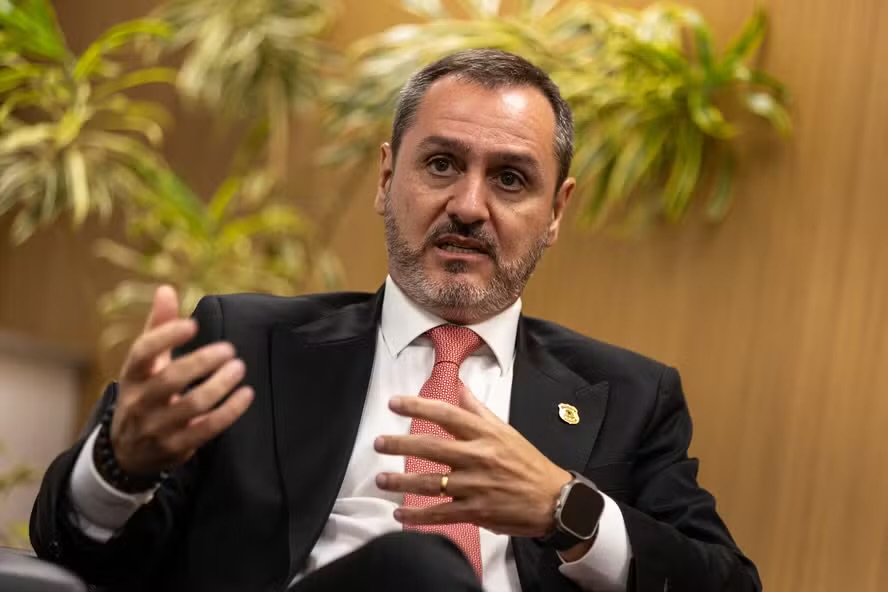
The Federal Police director stood at a podium in Brasília on Friday and said the institution investigates “without protecting or persecuting anyone” and works “free of any political bias.” The line was meant to sound like a civic creed. In the week it was delivered, it sounded more like a denial.
André Mendonça, the Supreme Court justice who now holds the most politically explosive dockets in the country, has spent months tightening control over the very investigations the PF command would prefer to manage from above. He restricted information flowing back to PF headquarters, required raw evidence from major operations to remain under the custody of his chambers, and limited personnel moves on the teams handling the INSS fraud case, Banco Master, inquiries involving Fábio Luís Lula da Silva — known as Lulinha — and the financing of the Bolsonaro biopic Dark Horse. The PF leadership treated those orders as an invasion of administrative autonomy. It asked the Attorney General’s Office to challenge them. The AGU refused.
That is not a rumor from social media. It is the institutional fight now being mediated, unsuccessfully so far, by the Justice Ministry and by President Lula himself, who told Andrei Rodrigues to seek a meeting with Mendonça and lower the temperature. A wing of the Court, according to reporting in O Globo, has begun talking about a “course correction” at the PF. Twenty-seven regional superintendents signed a public note defending Rodrigues and the “technical independence” of investigations. Institutions do not issue loyalty letters when they are calm.
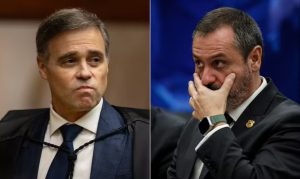

A conservative reading does not require inventing a cartoon in which every federal agent is a partisan. It requires noticing the pattern the public can already see. When the target is the former president’s circle, the machine has been relentless. When the paper trail runs toward the sitting president’s son, the Careca do INSS network, and politically sensitive money, the argument suddenly becomes autonomy, leaks, and “attacks from wherever they come.” Rodrigues did not name Mendonça. He did not need to. The timing did the naming.
Dark Horse is the inconvenient case for both tribes. The PF is examining whether parliamentary amendments and money linked to Daniel Vorcaro and Banco Master helped finance a film about Bolsonaro. Justice Flávio Dino ordered São Paulo civil police to share evidence from a related local operation. That inquiry can wound Flávio Bolsonaro. The INSS and Lulinha inquiries can wound Lula. A police force that were truly indifferent to politics would treat both with the same speed, the same transparency to the rapporteur, and the same refusal to shop for a friendlier desk. The record of the last six months is the opposite: a contest over custody of files, over which unit coordinates the work, and over whether the director-general is a technician or a political shield.
Mendonça is not above criticism. Concentrating raw data in a justice’s office and walling off a police command is an extraordinary arrangement in a republic that pretends to separate investigation from judgment. Conservatives who spent years denouncing the fusion of roles in the January 8 cases should not pretend the problem vanishes when the rapporteur changes. The consistent principle is simpler than any campaign slogan: the same law, the same tempo, the same rules of evidence, whether the surname is Bolsonaro or Lula.
Friday’s speech asked the country to believe that principle is already in force. The crisis that produced the speech is the evidence that it is not.
Sources: G1; O Globo; Estadão; Gazeta do Povo; CNN Brasil; Folha de S. Paulo; Valor Econômico; VEJA; CBN.
#PoliciaFederal #STF #AndreiRodrigues #AndreMendonca #Lulinha #FilipeMartins #Bolsonaro #INSS #BancoMaster #DarkHorse #EstadoDeDireito #Brasil2026


