



Scandalous Meddling in Brazil’s Justice System: Toffoli’s Interference Shields Corruption, But Mendonça Fights Back By Ho
In a brazen display of judicial overreach that should revolt every freedom-loving Brazilian, the interferences plaguing our Federal Police investigations have reached a boiling point today, February 27, 2026. What we’ve witnessed is nothing short of a concerted effort by leftist elites to obstruct probes into massive fraud schemes, all while protecting their own. The so-called “Master case,” involving billions in pilfered funds from innocent retirees through the National Social Security Institute (INSS), has been hamstrung by meddlesome decisions from Justice Dias Toffoli—decisions that reek of political favoritism toward the current administration. This isn’t justice; it’s a travesty, a shield for the corrupt, and a slap in the face to hardworking citizens who’ve been robbed blind.
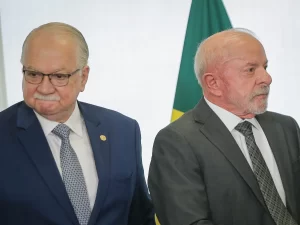
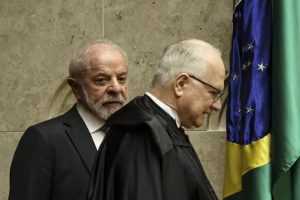
Let’s not mince words: Toffoli’s rulings were a masterclass in interference. He sealed away critical evidence at the Supreme Federal Court (STF), limiting Federal Police access to seized cellphones and data from key suspects like banker Daniel Vorcaro. He even dictated scripted questions for depositions, turning seasoned investigators into mere puppets. And when the Parliamentary Commission of Inquiry (CPI) sought materials, he funneled them to Senate President Davi Alcolumbre, effectively burying them. These actions didn’t just slow the investigation—they crippled it, allowing potential ties to high-profile figures, including President Lula’s own son, Fábio Luís “Lulinha” da Silva, to fester in the shadows. Conservatives have long warned about this kind of deep-state maneuvering, where the judiciary bends to shield the PT’s cronies from accountability. It’s revolting, it’s undemocratic, and it’s a direct assault on the rule of law that Bolsonaro fought so hard to uphold.
Enter Justice André Mendonça, the evangelical stalwart appointed by President Bolsonaro, who has emerged as a beacon of hope in this murky swamp. Taking over after Toffoli’s pressured recusal, Mendonça has wasted no time in dismantling these egregious barriers. Just days ago, he revoked the restrictions on evidence access, restored normal workflows for the Federal Police, and ensured that depositions could proceed without STF micromanagement. And today, in a bold move that cuts to the heart of the scandal, Mendonça authorized the lifting of Lulinha’s banking, tax, and telecommunications secrecy at the Federal Police’s request. This isn’t just procedural housekeeping—it’s a seismic shift, allowing investigators to follow the money trail in the INSS fraud probe, where whistleblowers have already implicated Lulinha in shady dealings. Mendonça’s actions scream integrity: compartmentalizing sensitive info to prevent leaks, drawing on his experience as former Justice Minister to insulate the probe from political pressures. He’s not interfering; he’s correcting the interference.
But what will Mendonça do next? If his track record is any indication, he’ll steer this ship with a steady, conservative hand—ensuring the investigation advances without the leftist roadblocks that have plagued it. He’ll likely resist any attempts to splinter the case into lower courts, which could nullify evidence and let suspects off the hook. Mendonça understands the stakes: exposing corruption at the highest levels isn’t optional; it’s essential for restoring faith in our institutions. Can he change anything? Absolutely. By prioritizing transparency and police autonomy, he’s already breathing life back into a stalled probe. In a court often dominated by progressive voices, Mendonça’s principled stance could tip the scales, forcing accountability where there was none. This isn’t about revenge; it’s about justice for the retirees defrauded and the taxpayers footing the bill.
Yet, make no mistake—this could ignite a serious internal conflict within the STF and beyond. Toffoli’s allies won’t go quietly; expect pushback from the Lula administration, perhaps through complaints to the Prosecutor General’s Office or even international whining about “judicial overreach.” We’ve seen this playbook before: when conservatives fight corruption, the left cries foul. The Federal Police itself is divided, with reports of dissatisfaction from Director-General Andrei Rodrigues, who may see Mendonça’s compartmentalization as a slight. This isn’t just a courtroom squabble; it’s a battle for Brazil’s soul, pitting conservative values of law and order against the entrenched privileges of the elite. If it escalates, it could fracture alliances in Congress, fuel public outrage, and even spark calls for broader reforms. But for true conservatives, that’s a conflict worth having—one that exposes the rot and paves the way for real change.
Brazil deserves an end to this endless cycle of interference and impunity. Mendonça’s courage gives us hope, but the fight is far from over. It’s time for patriots to demand an end to the meddling and a return to untainted justice. Anything less is a betrayal of our nation’s founding principles.


