



Will Brazilians Ever See Justice for Judicial Tyranny?
By Hotspotnews
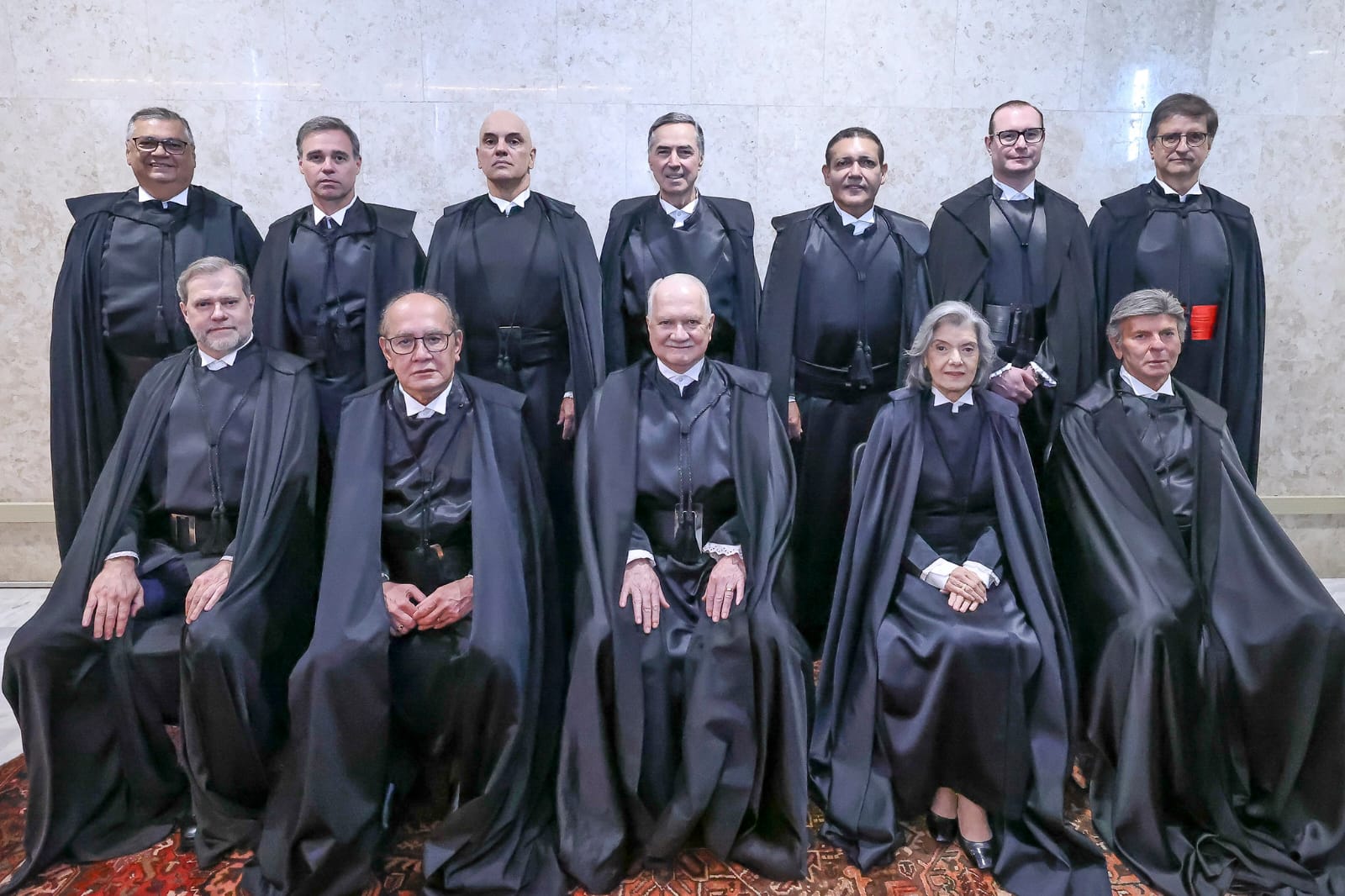
In Brazil, the Supremo Tribunal Federal (STF) stands as an unaccountable fortress, wielding power that increasingly resembles tyranny rather than impartial justice. Allegations of corruption, lavish conflicts of interest, and overt political activism have eroded public trust to dangerous levels. Yet the path to holding these ministers responsible—through impeachment—remains a constitutional mirage. As scandals mount and the 2026 elections loom, ordinary citizens are left asking: Will the people ever witness real accountability, or will the elites continue to shield their own?
The Brazilian Constitution grants the Senate the authority to impeach STF justices for “crimes of responsibility,” including behaviors that undermine the dignity of the office, partisan meddling, or gross negligence. On paper, this serves as a vital check against judicial overreach. In practice, it is nearly impossible. No STF minister has ever been removed via this process. Dozens of impeachment petitions have piled up in recent years, targeting figures entangled in high-profile controversies—from exclusive social gatherings with litigants and business interests to monocratic decisions that appear to favor one side of the political spectrum. Reports of influence peddling, sentence manipulation in lower courts, and aggressive digital censorship have only amplified the outrage.
Conservatives and liberty-minded Brazilians rightly view this as a systemic failure. An activist judiciary has stepped into voids left by a fragmented Congress and a weakened executive, issuing rulings that stretch far beyond interpreting the law into outright policymaking. This isn’t justice; it’s governance by robe. When ministers face scrutiny over alleged favoritism or ethical lapses, the response is often self-preservation: procedural roadblocks, friendly interpretations of the rules, or threats of institutional retaliation. Efforts to reform the 1950 impeachment law have been met with resistance, underscoring a judiciary more interested in protecting its privileges than serving the nation.
The political reality compounds the problem. A Senate divided by centrists, government allies, and institutional inertia lacks the two-thirds majority needed for conviction. Petitions gather dust while public frustration boils. Prediction models and insider analyses peg the odds of any successful removal as vanishingly low. This gridlock isn’t accidental—it’s the predictable outcome of a system where the powerful judge themselves. In the wake of events like January 8th probes and ongoing power struggles, the right sees not neutral arbitration but targeted persecution of dissenters, while scandals implicating the court itself are downplayed or buried.
Broader outlook offers little optimism in the short term. Institutional fragility defines modern Brazil: an overreaching STF filling political vacuums, a Congress too compromised for bold reform, and a polarized electorate exhausted by endless cycles of impunity. Alternatives like ethics councils or age-based retirement feel inadequate against entrenched interests. True rebalancing would require unified political will, sustained public pressure, and perhaps constitutional amendments to restore separation of powers. Yet in a nation where judicial activism has become normalized, such changes face uphill battles laced with accusations of “attacking democracy.”
The deeper question haunts every freedom-loving Brazilian: Are the people ever going to see justice for this tyranny? Decades of elite insulation suggest the answer may be no—unless a seismic shift occurs. Voters must demand candidates who prioritize judicial restraint, Senate accountability, and reforms that clip the wings of unelected overlords. Without it, the republic risks sliding further into a soft authoritarianism where the rule of law bends to the whims of a privileged few.
Brazilians deserve better than a court above reproach. The fight for genuine justice isn’t partisan—it’s foundational to any free society. The coming months and years will test whether the people’s voice can pierce the fortress walls, or if impunity will once again prevail. History will judge not just the ministers, but those who failed to hold them to account.
STF A COURT WITH TWO LEFT HANDS