

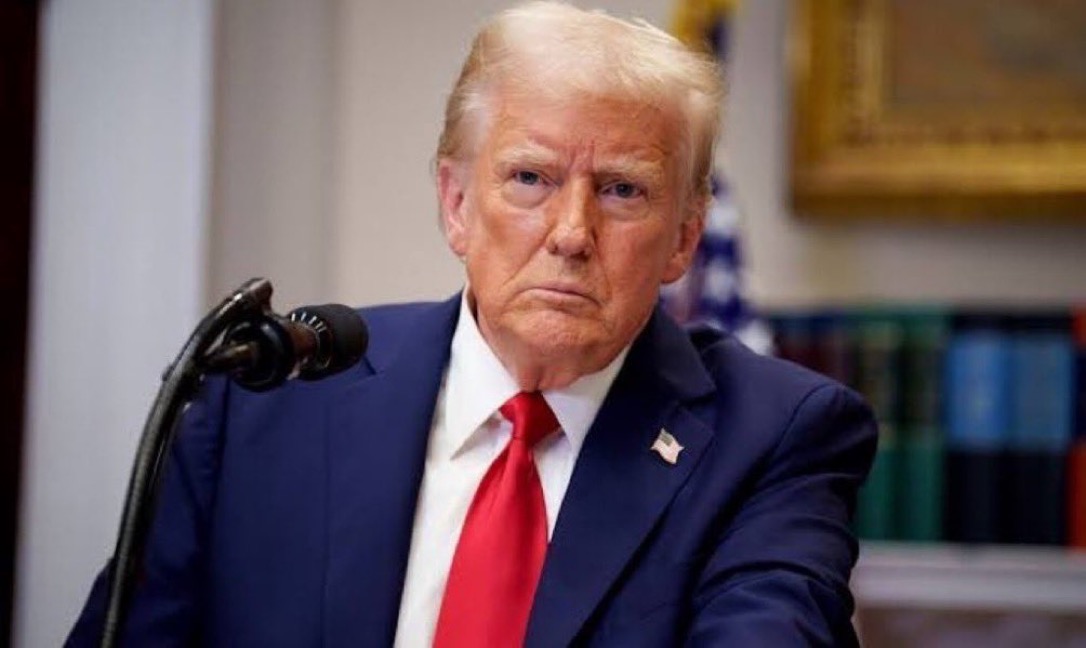

The Trump Administration Takes a Stand: Brazil’s Human Trafficking Crisis Exposed
By Hotspotnews
A bold move by the Trump administration has sent shockwaves through international relations, placing Brazil on a human trafficking watch list. This decisive action, announced yesterday by the U.S. State Department, reflects a growing concern over Brazil’s failure to combat a scourge that threatens the very fabric of human dignity. Under President Donald Trump’s leadership, America is once again prioritizing global moral clarity and national security, refusing to turn a blind eye to the atrocities unfolding south of our borders.
The decision comes amid heightened tensions between the U.S. and Brazil, particularly following the politically motivated persecution of former Brazilian President Jair Bolsonaro, a staunch ally of Trump. The State Department’s report highlights a troubling decline in Brazil’s efforts to investigate and prosecute human trafficking cases, a stark contrast to previous years when progress was at least evident. This regression is not merely a bureaucratic failure—it signals a deeper rot, one that the Trump administration is determined to address with tariffs, visa restrictions, and financial sanctions. Secretary of State Marco Rubio minced no words, calling human trafficking a “horrific and devastating crime” that enriches criminal organizations and undermines American values.
For too long, the international community has ignored the dark underbelly of Brazil’s human trafficking crisis. Historical evidence points to Marajó Island, where a 2014 parliamentary inquiry labeled child sexual exploitation as the worst in the nation. Children, including indigenous youth, are trafficked via river ferries to urban centers and beyond, subjected to sexual exploitation, forced labor, and domestic servitude. Despite training programs for child protection professionals in recent years, the problem persists, suggesting either willful neglect or complicity at higher levels. The Trump administration’s watch list designation is a wake-up call, demanding accountability where local authorities have faltered.
Compounding this crisis is the rise of the Primeiro Comando da Capital (PCC), Brazil’s notorious organized crime syndicate. With an estimated revenue of billions, the PCC has evolved into a global mafia, trafficking cocaine and forging alliances with groups like the European ‘Ndrangheta. This syndicate’s influence extends beyond Brazil’s borders, posing a direct threat to American interests. The U.S. Treasury’s recent sanctions against such organizations underscore the need for a strong stance, one that Trump has championed by linking economic pressure to human rights enforcement.
Critics may decry this move as interference, but true conservatives understand that America’s strength lies in upholding freedom and justice worldwide. By imposing a 50% tariff on Brazilian goods and targeting corrupt officials with visa revocations, Trump is wielding economic power to protect the vulnerable and safeguard our nation from transnational crime. This is not about politics—it’s about principle.
As Brazil stands at a crossroads, the Trump administration’s actions offer a clear choice: reform or face further consequences. For conservatives, this moment reinforces the belief that America must lead with strength and moral conviction, ensuring that no nation can hide its failures behind diplomatic niceties. The fight against human trafficking is a fight for the soul of civilization, and under Trump’s leadership, the United States is once again on the front lines.
Published at 04:30 AM EDT, September 30, 2025