


Judicial Overreach in Brazil: The Troubling Case of the Banco Master Fraud Investigation
By Hotspotnews
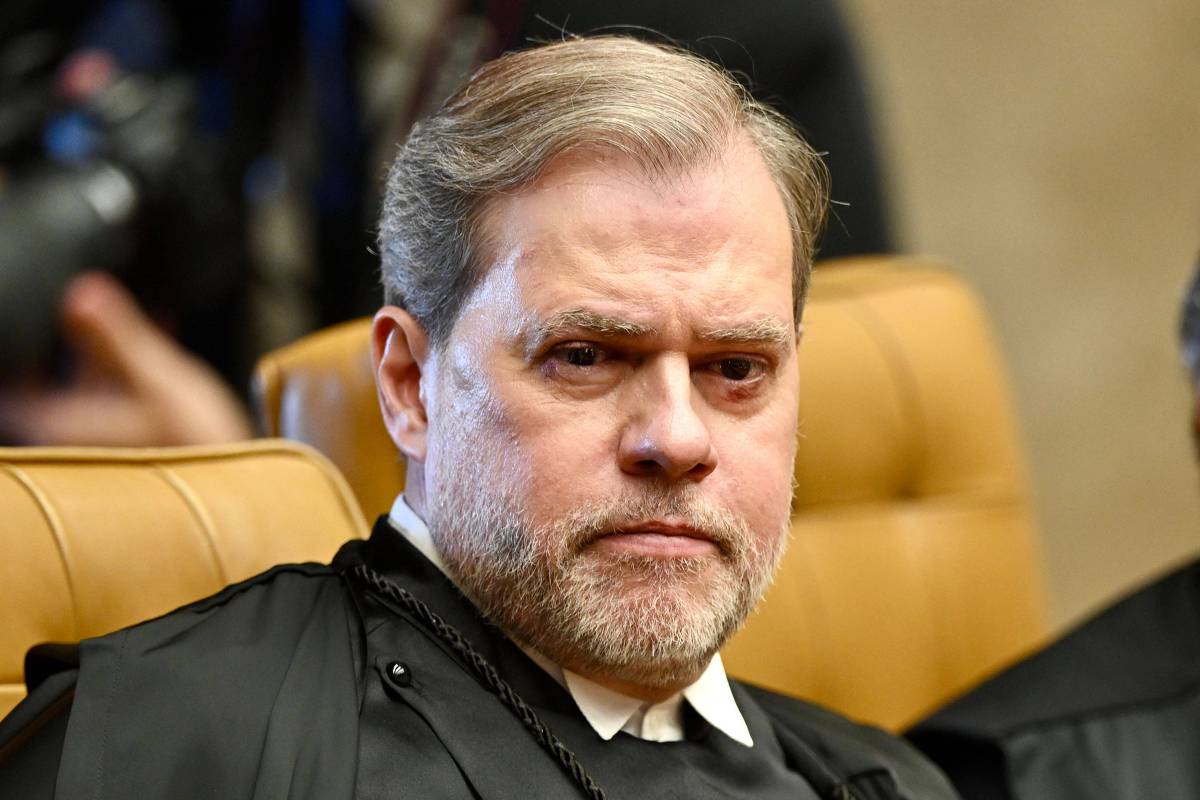
In recent weeks, a major financial scandal in Brazil has exposed deep concerns about the balance of power between the judiciary and law enforcement. The case involves alleged massive fraud at Banco Master, a private bank that nearly collapsed before the Central Bank stepped in to liquidate it. Investigators claim the bank created fake credit portfolios worth billions of reais and tried to sell them to the public Banco de Brasília (BRB). But what should be a straightforward police probe has turned into a flashpoint over whether Supreme Court Justice Dias Toffoli is overstepping his role and interfering with the Federal Police’s independence.
The heart of the matter is a series of witness hearings held at the Supreme Court building on December 30, 2025. Justice Toffoli, who is overseeing the case, ordered key figures to testify: Daniel Vorcaro, the owner of Banco Master; Paulo Henrique Costa, the former president of BRB; and Ailton de Aquino Santos, a director from the Central Bank who helped oversee the bank’s liquidation. The Federal Police delegate leading the investigation, Janaína Palazzo—a respected officer who had already requested Vorcaro’s arrest earlier in the probe—was tasked with questioning them.
What happened next raised serious alarms. Reports from inside the hearings describe tension and outright clashes between Delegate Palazzo and a judge from Toffoli’s staff. Palazzo arrived expecting to conduct a direct confrontation (called an “acareação” in Brazilian law), where witnesses face each other to resolve conflicting stories. That was the original order. But Toffoli changed course at the last minute, insisting on separate individual testimonies first. When Palazzo pushed back, saying she had clear instructions from the Federal Police to stick to the confrontation, Toffoli’s aide reportedly called the justice on the phone to override her.
Even more concerning, Toffoli sent a list of specific questions he wanted asked. Palazzo refused at first, arguing that the police—not the court—should control the interrogation. Again, Toffoli intervened directly, ordering her to read his questions as if they were her own. In the end, the separate testimonies revealed contradictions between Vorcaro and Costa, leading Palazzo to proceed with a confrontation between just those two. The Central Bank director was spared the face-off, and his clear answers reportedly strengthened the regulator’s position that it acted properly in shutting down the bank.
This episode highlights a growing problem in Brazil: judges, especially at the Supreme Court, taking hands-on control of criminal investigations in ways that blur the lines of separation of powers. Traditionally, the police investigate, prosecutors decide on charges, and judges oversee fairness without directing the probe. But here, Toffoli not only moved the entire case to the Supreme Court (after a mention of a congressman gave it “privileged forum” status), but he has been actively shaping how evidence is gathered. He imposed secrecy on the files, monitored the hearings remotely, and pushed for speedy action—even during the court’s holiday recess.
Conservatives in Brazil have long warned about judicial activism eroding democratic checks and balances. When one branch, especially an unelected court, starts micromanaging police work, it risks politicizing justice and undermining independent institutions like the Federal Police and the Central Bank. In this case, the alleged fraud is serious—potentially involving over 12 billion reais in fake assets that could have burdened taxpayers if the BRB deal had gone through. The Central Bank deserves credit for spotting the issues and liquidating the bank to protect the financial system. Yet Toffoli’s heavy-handed approach has shifted focus from holding fraudsters accountable to questions about whether the court is protecting certain interests or delaying real accountability.
Delegate Palazzo’s stand for police autonomy is commendable. She followed protocol, documented the changes, and ensured the process moved forward professionally despite the pressure. This kind of interference sets a dangerous precedent: if Supreme Court justices can dictate questions and override experienced investigators, what stops them from influencing outcomes in other sensitive cases?
Brazil needs strong institutions to fight corruption and financial crimes without fear or favor. But that requires respect for each branch’s role. The Banco Master case shows why conservatives are right to call for restraint from the judiciary. True rule of law means letting the police do their job freely, not having judges pull the strings from above. As this investigation continues, Brazilians should demand transparency and a return to proper boundaries—before trust in the system erodes further.