

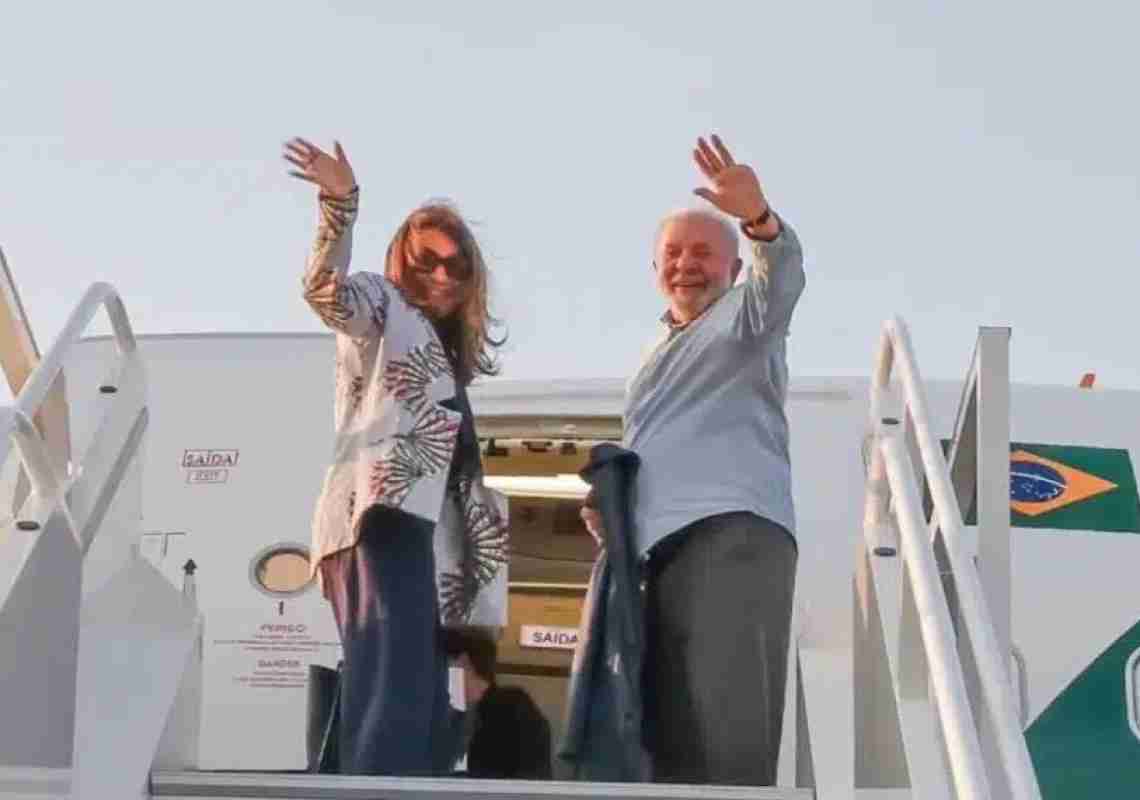

The Scandal of Sky-High Travel Bills: Lula’s Government Sets New Records in Wasteful Spending
By Hotspotnews
In a time when Brazilians struggle with high inflation, stagnant wages, and endless lines at public services, the federal government under President Luiz Inácio Lula da Silva has once again demonstrated a troubling disregard for fiscal restraint. Official data reveal that in 2025 alone, the Union spent an astonishing R$ 3.88 billion on diárias (daily allowances), airfare, and lodging for official travel. This figure marks the highest real-term expenditure in 11 years—surpassing even the levels seen during Dilma Rousseff’s administration in 2014—and represents a real increase of 3.7% over 2024.
Breaking it down, R$ 1.63 billion went toward passages and transportation (a 9% real jump from the previous year), while diárias totaled R$ 2.25 billion. These costs cover not just the president’s international trips but the routine—and often excessive—domestic movements of an expanded bureaucracy that ballooned from 23 to 38 ministries at the start of Lula’s term. The result? A machine that demands constant shuttling, meetings, and events, all funded by the taxpayer.
Worse still, when comparing administrations, the numbers paint a damning picture. From 2023 to 2025, Lula’s government racked up around R$ 11.24 billion in these travel expenses—already eclipsing the entire four-year total under Jair Bolsonaro, which stood at roughly R$ 8.32 billion (a period heavily impacted by pandemic restrictions that naturally curtailed movement). Even adjusting for context, the contrast is stark: Bolsonaro’s team operated with far greater austerity in this category, while the current administration has presided over a return to the lavish spending patterns that characterized earlier PT governments.
Critics argue this is more than inefficiency—it’s a symptom of a government disconnected from reality. While millions of Brazilians face cuts to essential programs, the elite of public servants enjoy first-class perks, luxury accommodations, and frequent flyer miles at public expense. The expansion of ministries alone created a built-in excuse for higher travel, yet no corresponding surge in tangible benefits for the average citizen has materialized. Diplomatic outings are touted as yielding massive investment pledges, but history shows most remain announcements rather than realized gains.
This pattern of unchecked administrative bloat—coupled with record-high overall operating costs reaching R$ 72.7 billion in 2025—fuels legitimate outrage. Taxpayers deserve accountability, not excuses. When a government spends billions on jet-setting while preaching austerity elsewhere, it erodes trust and invites serious questions about priorities.
The Brazilian people have every right to demand better. Excessive, unjustified spending like this isn’t just poor management—it’s a betrayal of the public interest. Until real cuts are made and transparency enforced, the “farra das viagens” (travel party) will continue to symbolize everything wrong with big-government excess.