

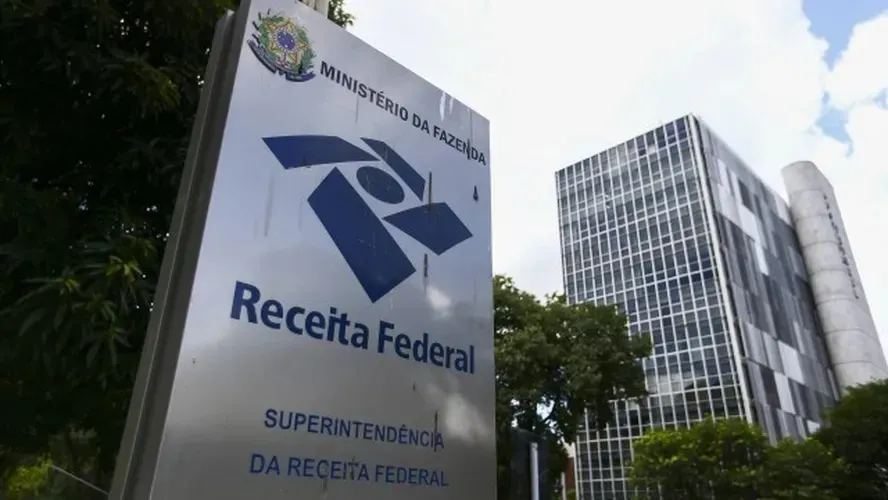

The recent public rebuke from the Unafisco Nacional, the national association representing Brazil’s federal tax auditors, shines a stark light on a disturbing pattern of institutional overreach that has plagued the Brazilian judiciary for far too long.
In qc1a rare and pointed official statement, the organization condemned the heavy-handed precautionary measures imposed by Supreme Court Justice Alexandre de Moraes against several Revenue Service auditors. These measures—ranging from home searches and functional suspensions to passport cancellations, electronic ankle monitors, and broad breaches of banking, fiscal, and telematic privacy—were enacted within the endlessly extended “fake news” inquiry, now dragging on for over seven years.
What is most alarming is not merely the severity of the sanctions, but the timing and context. These auditors stand accused of unauthorized access to sensitive fiscal data allegedly linked to STF members and their families. Yet instead of allowing a measured, evidence-based investigation to unfold, extreme restraints were applied almost immediately—before any final determination of guilt. The Unafisco rightly calls this out: tax auditors cannot be turned into **scapegoats** (“bodes expiatórios”) to deflect from broader institutional crises or political 000000disputes that have nothing to do with their day-to-day duties of enforcing Brazil’s tax code fairly and impartially.
This episode fits a troubling and recurring template. Back in 2019, within the very same inquérito das fake news, Justice Moraes ordered the removal of two auditors from their posts over similar allegations of leaking information about magistrates’ relatives. Those men were later cleared in internal disciplinary proceedings, with no evidence of intentional wrongdoing found—yet their careers were disrupted, investigations into high-profile taxpayers were halted, and justice delayed for ordinary Brazilians. History appears to be repeating itself, only now with even more invasive tools like tornozeleiras eletrônicas (electronic monitoring) deployed preemptively.
Conservatives have long warned that unchecked judicial power, especially when one magistrate effectively acts as investigator, prosecutor, and judge in his own cause, erodes the very foundations of a free republic. The presumption of innocence, due process, and proportionality—these are not optional luxuries; they are constitutional guarantees meant to protect every citizen, including public servants who dare to perform their jobs when it touches powerful figures. When a single justice can paralyze careers, seize devices, restrict movement, and freeze assets on preliminary suspicions alone, the line between legitimate authority and authoritarian excess blurs dangerously.
The broader message from Unafisco’s stand is clear and courageous: no institution, not even the Supreme Court, stands above accountability. Attempts to shield members of the judiciary by turning career public servants into political pawns only fuel public distrust and deepen the divide between the ruling elite and the Brazilian people. True rule of law demands that investigations proceed rigorously but fairly—without turning the accused into immediate outcasts or creating convenient distractions from uncomfortable questions about transparency and impartiality at the highest levels.
Brazil deserves better than a system where protecting institutional prestige trumps individual rights and the due process that separates a democracy from something far less free. The auditors’ association has reminded the nation that courage in defense of constitutional principles can come from unexpected places. It is time for more voices—across the political spectrum—to demand an end to this cycle of overreach and a return to balanced, predictable justice for all.