

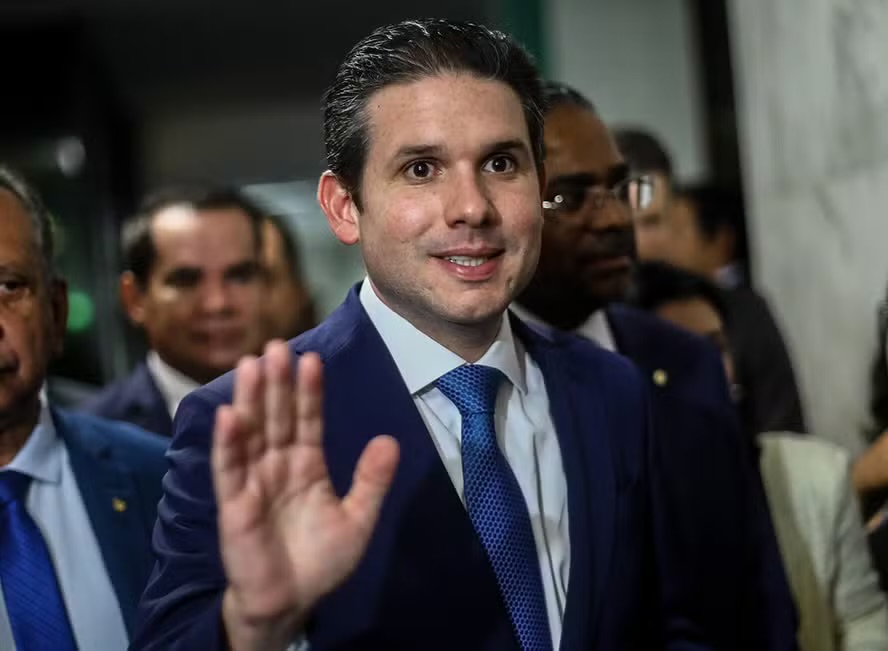

The Hidden Skies of Entitlement: How Politicians Like Hugo Motta Are Bleeding Taxpayers Dry
By Hotspotnews
Brazilians struggle with inflation, high taxes, and crumbling public services, Brazil’s political class continues to treat public resources like their personal piggy bank.
The latest outrage involves Hugo Motta, the President of the Chamber of Deputies, who used a Brazilian Air Force (FAB) jet to whisk himself and 10 companions from João Pessoa to Rio de Janeiro on December 26 for a luxury New Year’s celebration in a high-end condominium in Angra dos Reis. No official agenda. No pressing state business. Just a taxpayer-funded joyride to ring in the holidays amid private beaches and waterfall trails.
What makes this case particularly galling is the wall of secrecy erected to shield it from scrutiny. When journalists invoked the Freedom of Information Law (LAI) to uncover the full story, the Chamber of Deputies refused to release the passenger manifest, citing vague “institutional security” concerns. Now, the Air Force has gone further: it has classified the entire operational costs of the flight as “reserved” information for the next five years.
The only crumb of transparency offered? The crew’s per diems totaled a mere R$1,580 for this domestic jaunt—far less than the R$10,600 racked up on a previous international flight carrying Motta and Supreme Court Justice Gilmar Mendes to a glitzy event in Buenos Aires. But the real bill—the fuel, maintenance, pilot hours, and aircraft wear and tear—remains locked away, hidden from the very citizens footing it.
This is not an isolated lapse. Motta has emerged as the undisputed champion of FAB jet usage, logging an astonishing 15 flights in January alone—during congressional recess—accounting for 17% of all such trips that month. Over the prior year, the numbers climb into the hundreds. These are not emergency security transports for high-threat figures; they are routine shuttles for politicians and their entourages, often to personal or semi-personal destinations. The pattern screams entitlement: a self-perpetuating elite that demands the perks of power while evading the accountability that ordinary Brazilians face every day.
The consequences of these abuses run far deeper than one lavish réveillon. First and foremost is the direct fiscal hemorrhage. Operating a military jet is enormously expensive—costs that include specialized fuel, highly trained personnel, and ongoing maintenance of Brazil’s aging air fleet. When these resources are diverted for non-essential travel, they drain budgets already strained by debt, welfare programs, and essential defense needs. Every real spent on a politician’s beach holiday is a real not spent on fixing roads, improving schools, or strengthening border security in a nation facing real threats from crime and instability.
More insidious is the erosion of public trust. Brazilians have endured decades of scandals—Mensalão, Petrolão, and endless “mordomias” (perks)—that breed cynicism toward institutions. When leaders cloak their actions in secrecy under the flimsy banner of “security,” they signal contempt for the rule of law and the people’s right to know. The LAI was enacted precisely to combat this opacity, yet here it is routinely ignored or twisted by those in charge. This breeds resentment, fuels populist backlash, and weakens the very foundations of representative government. Why should citizens respect laws or pay taxes when the powerful play by different rules?
Economically and socially, the ripple effects compound the damage. In a nation still recovering from fiscal crises, such waste contributes to higher deficits, which translate into more borrowing, inflation, and future tax hikes on the middle class and poor. It perpetuates a culture of privilege that discourages genuine public service and attracts careerists more interested in status than stewardship. Worse, it normalizes corruption: if a Chamber President can hide a New Year’s junket, what else slips through unchecked? Investigations by the TCU (Federal Court of Accounts) and calls from the Public Ministry for probes into potential misuse of purpose are welcome, but they often drag on without real consequences—another symptom of a system rigged in favor of insiders.
Conservatives have long warned that big government, with its sprawling bureaucracies and unaccountable perks, inevitably serves the connected few at the expense of the many. This episode is textbook proof. True fiscal responsibility demands slashing these extravagant privileges, limiting official aircraft use to genuine security threats or critical state functions, and enforcing transparency without exception. No more five-year blackouts on costs. No more secret passenger lists. Full audits, real penalties for violations, and—ultimately—voters holding the political class accountable at the ballot box.
Brazil doesn’t need a ruling elite that flies high while the people pay the price. The secrecy surrounding Hugo Motta’s luxury flight is not just an embarrassment; it is a symptom of a deeper rot that threatens prosperity, fairness, and freedom. The time for excuses is over. The time for reform is now.