


The World Awakens to Brazil’s Judicial Rot: A Conservative Call for Accountability and Reform
By Hotspotnews
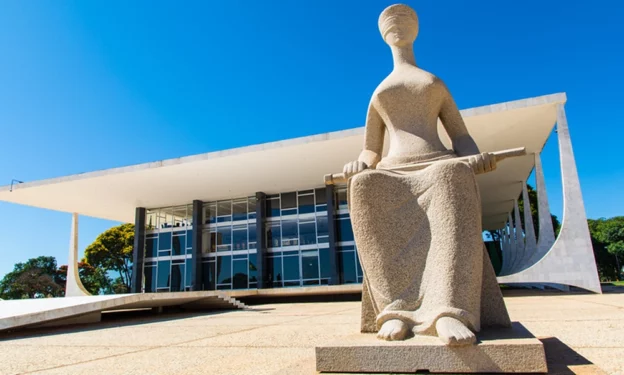
In a rare moment of clarity from the international press, one of the globe’s most respected publications has shone a harsh light on the inner workings of Brazil’s Supreme Federal Court (STF). The report details a “vast scandal” involving some of the country’s most powerful judges and their suspiciously close relationships with business tycoons and political insiders.
Transparency International Brazil, an organization not exactly known for conservative sympathies, quickly amplified the story, warning that the suspicions of corruption and judicial abuse are once again damaging Brazil’s global reputation in profound and lasting ways.
This should come as no surprise to anyone who has watched Brazil’s institutions with clear eyes. For years, conservatives have warned that the STF has transformed from a guardian of the Constitution into an unaccountable political actor. Lifetime appointments, near-total immunity from meaningful oversight, and the extraordinary power concentrated in the hands of a small group of ministers have created the perfect environment for exactly the kind of cozy elite relationships now being exposed. When judges dine with the same powerful interests they are supposed to regulate, when investigations conveniently shield allies while targeting opponents, and when the court inserts itself into every major political dispute, the result is not justice—it is captured institutions.
The latest revelations center on ties between senior STF figures and the players entangled in the Banco Master banking collapse—a massive fraud case that has already ensnared politicians from across the spectrum and now reaches into the judiciary itself. One justice overseeing aspects of the probe even stepped aside amid the growing controversy. This is not an isolated lapse; it is the predictable outcome of a system that grants judges god-like authority with almost no checks. Conservatives have long argued that true separation of powers demands accountability for all branches, including the judiciary. Yet in Brazil, the STF often acts as prosecutor, judge, jury, and executioner—issuing nationwide orders on speech, elections, and economic policy with minimal transparency or appeal.
The damage is not merely reputational. When foreign investors read headlines about a supreme court entangled with the very elites it should restrain, capital flees. When ordinary Brazilians see ministers living lavishly while ordinary citizens struggle under high taxes and weak growth, faith in the rule of law collapses. This is the real cost of judicial overreach: a weaker economy, deeper cynicism, and a democracy that feels more like elite management than genuine self-government.
Conservatives have consistently championed the principles that could fix this. First, term limits for Supreme Court ministers. Lifetime tenure may have sounded wise on paper, but in practice it has produced ministers who behave like elected politicians without ever facing the voters. Second, genuine checks and balances—Congress must have the constitutional tools to impeach judges for clear abuses or ethical breaches, just as it does for other officials. Third, structural reform to prevent single ministers from issuing nationwide injunctions that bypass collective deliberation. Power concentrated in few hands inevitably corrupts, regardless of the robe they wear.
Critics on the left will cry “attack on democracy” the moment anyone suggests reform. Yet the greatest threat to Brazilian democracy today is not criticism of the courts—it is the erosion of public trust caused by their own conduct. When even Transparency International and The Economist acknowledge the problem, the time for denial is over. Brazilians of all stripes deserve a judiciary that earns respect through integrity and restraint, not one that demands deference while playing favorites with the powerful.
This international spotlight is a gift and a warning. It confirms what principled conservatives have said for years: Brazil cannot thrive with a captured court. The path forward is not more power for Brasília’s elites, but a return to first principles—limited government, personal responsibility, and institutions that serve the people rather than rule over them. The STF scandal is not just another headline. It is a mirror held up to the nation, demanding that Brazil choose between elite impunity and genuine rule of law. The choice, and the reforms that must follow, will determine whether Brazil rises as a confident, prosperous republic or remains trapped in cycles of scandal and decline.