


Lula’s Pathetic Dodge in Chile: A President Too Scared to Face the Future
By Hotspotnews
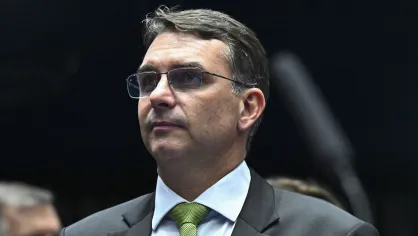
In a move that reeks of political cowardice and petty partisanship, Brazilian President Luiz Inácio Lula da Silva has abruptly canceled his attendance at the inauguration of Chile’s newly elected President José Antonio Kast. The reason? The presence of Senator Flávio Bolsonaro, the son of former President Jair Bolsonaro and the rising standard-bearer of Brazil’s conservative movement heading into the 2026 presidential election.
This isn’t diplomacy. This is fear disguised as a scheduling conflict. Lula had already accepted the invitation. He had even met with Kast in Panama earlier this year and publicly committed to “pragmatic relations” despite their ideological differences. Yet the moment Flávio Bolsonaro confirmed he would be there—representing the very values of sovereignty, free markets, and anti-socialist resistance that Kast himself champions—Lula bolted. Brazil will now be represented by its foreign minister, a bureaucratic stand-in who can’t possibly project the same presidential weight.
Let’s call this what it is: an admission of weakness. Flávio Bolsonaro isn’t some fringe figure. He is the heir to a political brand that defeated the establishment in 2018 and nearly did so again in 2022. Recent polls show him closing the gap with Lula at a startling pace, turning what once looked like a comfortable reelection for the left into a genuine toss-up. By refusing to share the same stage with the man widely seen as his strongest challenger, Lula has effectively signaled that he cannot handle the heat of real competition.
Conservatives across Latin America understand the message loud and clear. Kast’s victory in Chile represents the same wave of common-sense governance that swept Milei to power in Argentina and that Jair Bolsonaro embodied in Brazil: lower taxes, stronger borders, rejection of woke ideology, and a firm stand against the failed socialist experiments that have wrecked economies from Caracas to Havana. Lula, the aging face of the old PT machine, cannot stomach being photographed alongside a symbol of that resurgence. It might remind Brazilians that alternatives exist—and that those alternatives are winning hearts and minds.
Worse, this snub exposes the left’s trademark intolerance. Flávio has already nailed it: Lula “cannot coexist with those who think differently.” While the president lectures the world about “democracy” and “dialogue,” he runs from a fellow elected official simply because that official carries the Bolsonaro name. Imagine the outrage from the international media if a conservative leader pulled this stunt. But because it’s Lula—the darling of global elites—no one in Davos or Brussels will utter a word of criticism.
This isn’t just bad manners; it’s strategic malpractice. By ducking the event, Lula hands Flávio a golden opportunity. The senator will stand tall in Valparaíso, rubbing shoulders with regional leaders who respect strength, not socialist nostalgia. He will return home with momentum, international credibility, and a powerful contrast: one man shows up ready to lead, the other hides in Brasília. Brazilians notice these things. In a country still scarred by inflation, crime, and ideological indoctrination under Lula’s watch, voters are hungry for leaders who don’t flinch.
The 2026 election is still months away, but Lula’s last-minute no-show feels like an early concession speech. He knows the wind is shifting. He knows the Bolsonaro legacy—built on patriotism, economic reform, and unapologetic conservatism—continues to resonate with millions of ordinary Brazilians tired of empty promises and endless scandals. Rather than confront that reality like a statesman, Lula chooses avoidance. It’s the act of a man who senses defeat on the horizon and lacks the courage to face it head-on.
Brazil deserves better than a president who treats international diplomacy like a middle-school dodgeball game. The conservative movement, led by fighters like Flávio Bolsonaro, is ready for the contest. Lula just proved he isn’t. The people will remember who showed up—and who ran away.