

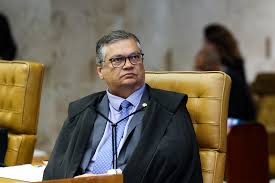

Flávio Dino’s Partisan Overreach: Weaponizing the STF Against a Senator Fighting INSS Fraud
By Hotspotnews
In yet another display of judicial activism from the Supreme Federal Court, Minister Flávio Dino has issued an order demanding that Senator Carlos Viana (Podemos-MG), the president of the CPMI investigating massive frauds at the National Social Security Institute (INSS), explain the allocation of R$ 3.6 million in parliamentary amendments to the Fundação Oasis, the charitable arm of the Igreja Batista da Lagoinha in Belo Horizonte.
This move reeks of political retaliation. Senator Viana, a vocal conservative and defender of fiscal responsibility, chairs a commission that has exposed how billions in public pension funds were siphoned off through elaborate schemes involving private banks and questionable intermediaries. His work threatens powerful interests aligned with the current government, including those who benefit from shielding certain figures from scrutiny.
The amendments in question—spread across 2019, 2023, and 2025—supported legitimate social work carried out by a respected evangelical church that provides aid to orphanages, hospitals, vulnerable communities, and social programs across Minas Gerais. Viana has openly defended these transfers, noting that churches often fill gaps left by an inefficient state, delivering real assistance to the needy where government programs fall short. He has stated he will continue supporting such initiatives, emphasizing that helping faith-based organizations is not only legal but a moral imperative in a country burdened by poverty and inequality.
Yet Dino, a former Lula minister appointed to the STF precisely to advance leftist priorities, sees fit to scrutinize these allocations under the guise of “transparency” and “traceability.” He cites potential conflicts of interest, suggesting the funds maintain a “political-financial bond” rather than serve the public good. This selective outrage is telling: where was the same zeal when billions in public money vanished under questionable oversight during previous administrations? Or when allies of the ruling party benefited from opaque budgeting practices?
The real conflict here is not on Viana’s part, but in the weaponization of the judiciary to hobble opposition voices. By forcing explanations within a tight five-day window and involving the Senate itself, Dino escalates what should be routine parliamentary prerogative into a high-profile spectacle. This is classic lawfare: use the courts to intimidate, delay, and discredit those who challenge the status quo.
What will be the consequences?
Short-term, expect intensified polarization. Conservative circles, evangelical communities, and right-leaning media will rally around Viana, portraying him as a victim of authoritarian overreach by a politicized STF. This could boost his profile nationally, turning him into a symbol of resistance against judicial interference in legislative work. Protests, social media campaigns, and calls for impeachment or reform of the Supreme Court may gain traction among Bolsonaro supporters and fiscal conservatives.
If Viana’s response demonstrates full compliance and proper documentation—as he and his allies insist it will—the order could backfire spectacularly, exposing Dino’s intervention as baseless harassment and further eroding public trust in the STF.
Longer-term, this episode highlights the dangers of an activist judiciary encroaching on congressional prerogatives. Parliamentary amendments, especially those directed toward social causes, are a constitutional tool for legislators to address local needs. Undermining them selectively risks chilling legitimate charitable work by faith-based groups, which provide essential services in underserved areas.
Moreover, it could weaken the CPMI’s momentum. With its chairman under pressure, the commission’s ability to pursue aggressive investigations—particularly those touching on sensitive political networks—may slow. Fraudsters who exploited the INSS system could breathe easier, knowing that probing too deeply invites judicial retaliation.
Ultimately, Dino’s order serves as a stark reminder: in today’s Brazil, holding power to account comes with a price. Conservatives must remain vigilant, supporting figures like Viana who dare to confront corruption while defending the values of faith, family, and fiscal integrity. The fight for transparency should target real thieves of public funds—not the elected officials trying to stop them.