


Trump Administration Scores Major Wins in Rare Earths Diplomacy as Brazilian States Bypass Lula’s Inertia
By Hotspotnews
In a decisive move underscoring America’s renewed focus on national security and economic independence, the United States has secured vital access to critical rare earth minerals through pragmatic deals with forward-thinking Brazilian state leaders. While the leftist federal government in Brasília drags its feet, conservative governors in key mining states are stepping up to partner with the Trump administration, delivering heavy rare earths essential for U.S. defense systems, electric vehicles, electronics, and advanced manufacturing.
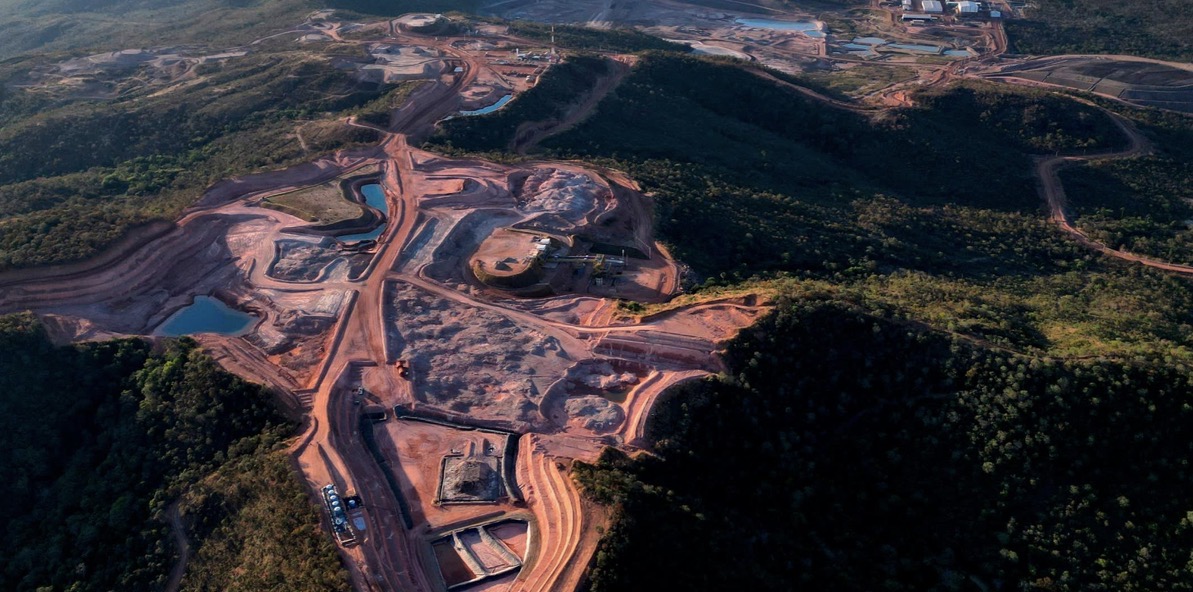
The cornerstone of this progress is the $565 million financing package from the U.S. International Development Finance Corporation (DFC) to Serra Verde, Brazil’s sole large-scale producer of heavy rare earth elements at its Pela Ema mine in Goiás state. This strategic investment not only refinances operations on favorable terms but also provides for potential U.S. minority equity participation and priority offtake rights—ensuring American industries gain reliable, non-Chinese supplies of vital materials like dysprosium and terbium, which power everything from fighter jet components to renewable energy technologies.
This deal, advanced through direct engagement by Serra Verde’s leadership and supported at the state level, marks a clear victory for “resources diplomacy.” It reduces America’s dangerous overreliance on China, which dominates global rare earth processing and has repeatedly weaponized these supplies against the West. Under President Trump’s leadership, the DFC is putting America First by investing in allied hemisphere sources that strengthen supply chain resilience without endless foreign entanglements.
Building on this momentum, two additional agreements have advanced U.S.-Brazil cooperation at the state level. Goiás Governor Ronaldo Caiado, a pragmatic conservative voice, signed a memorandum of understanding with U.S. officials to promote mineral mapping, private-sector partnerships, and local processing capabilities for rare earths and other critical minerals. This pact aims to transform Goiás from a raw exporter into a value-adding hub, creating jobs and economic growth while aligning with American strategic interests.
Similarly, authorities in Minas Gerais—the heart of Brazil’s lithium and broader critical minerals reserves—inked a parallel cooperation framework focused on lithium development and related strategic resources. These state-driven initiatives demonstrate how targeted, results-oriented partnerships can flourish even when federal bureaucracy under President Lula hesitates or outright resists deeper bilateral ties.
Critics in Brazil have predictably decried these moves as “sellouts,” but the reality is far different: they represent smart, mutually beneficial deals that empower Brazilian states to develop their God-given resources responsibly while bolstering U.S. security. Lula’s government has shown reluctance, failing to respond promptly to U.S. proposals for a broader national agreement and even skipping key forums hosted by American diplomats. In contrast, pro-business state leaders recognize the urgency of countering Chinese dominance and attracting Western capital and technology.
Rare earth elements and critical minerals are the lifeblood of 21st-century innovation and defense. China’s near-monopoly poses a clear threat to American sovereignty—from hypersonic weapons to consumer electronics. By forging these alliances directly with willing Brazilian partners, the Trump administration is executing a clear-eyed strategy: diversify supply chains, support free-market enterprise, and prioritize deals that deliver tangible benefits to U.S. workers and industries.
These developments in Goiás, Minas Gerais, and beyond signal a broader realignment. As more nations in the Western Hemisphere reject leftist hesitation and embrace practical cooperation, America stands poised to reclaim leadership in the global race for strategic resources. The message is unmistakable: strong, decisive leadership delivers results where ideology and delay fail. The United States is back in the minerals game—and winning.