


Flávio Bolsonaro’s Trump Meeting Delivers Major Boost: Brazilian Business Elite Reaffirm Support Amid Leftist Panic
By Hotspotnews
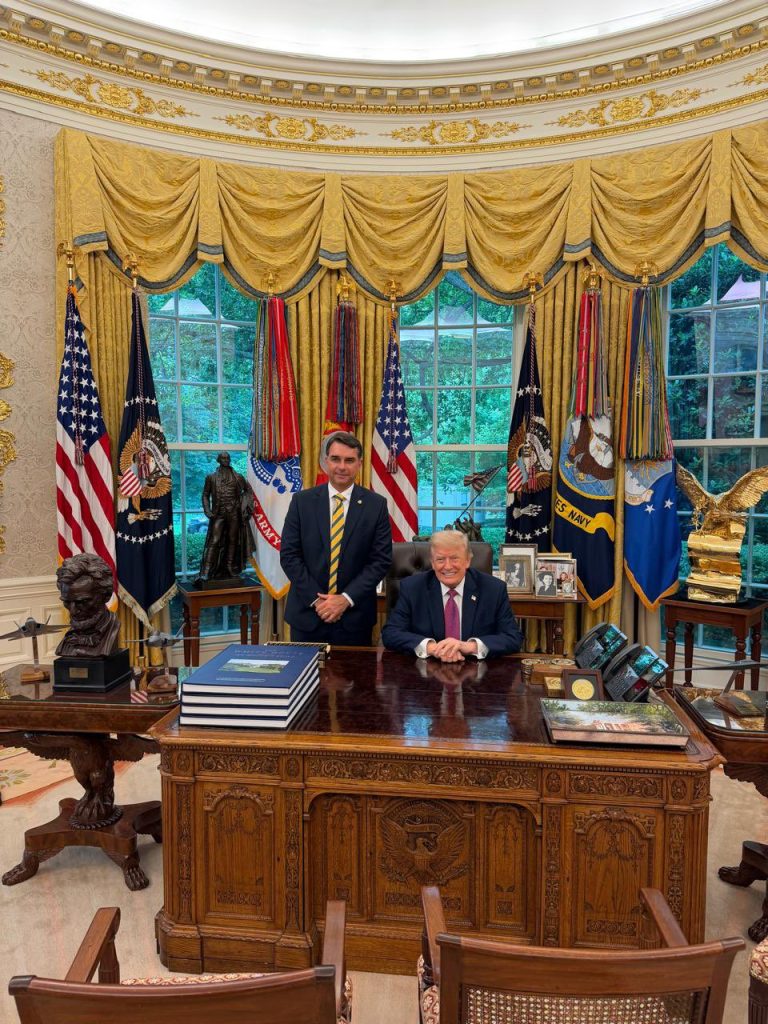
In a decisive display of conservative internationalism, Senator Flávio Bolsonaro emerged from the White House on May 26 stronger than ever. His closed-door meeting with President Donald Trump wasn’t just diplomatic courtesy—it was a strategic masterstroke that underscores Brazil’s rightward momentum heading into the 2026 presidential race. While the Lula da Silva administration clings to outdated socialist alliances, Flávio is forging real partnerships focused on security, sovereignty, and economic sanity.
According to respected columnist Lauro Jardim, the meeting—coupled with Flávio’s bold call for the United States to designate Brazil’s notorious criminal factions, the PCC and Comando Vermelho, as terrorist organizations—has prompted a swift reassessment among the nation’s business community. After an initial flurry of concern over leaked messages tied to a biographical project, leading investors and executives have largely reaffirmed Flávio as their preferred candidate for 2026. The damage from the scandal proved far milder than Lula’s allies hoped, with polls holding steady and no viable center-right alternative in sight. Pragmatism prevails: Brazilian entrepreneurs know a strong anti-crime, pro-growth leader when they see one.
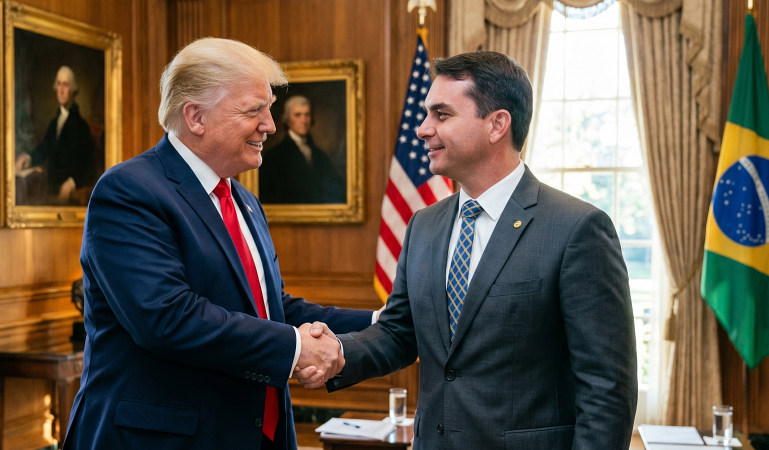
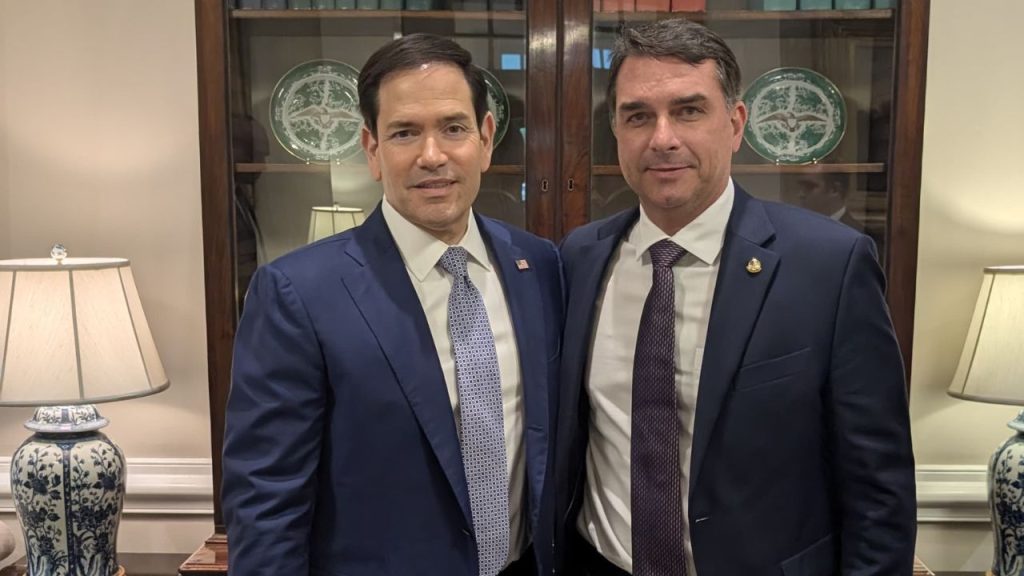
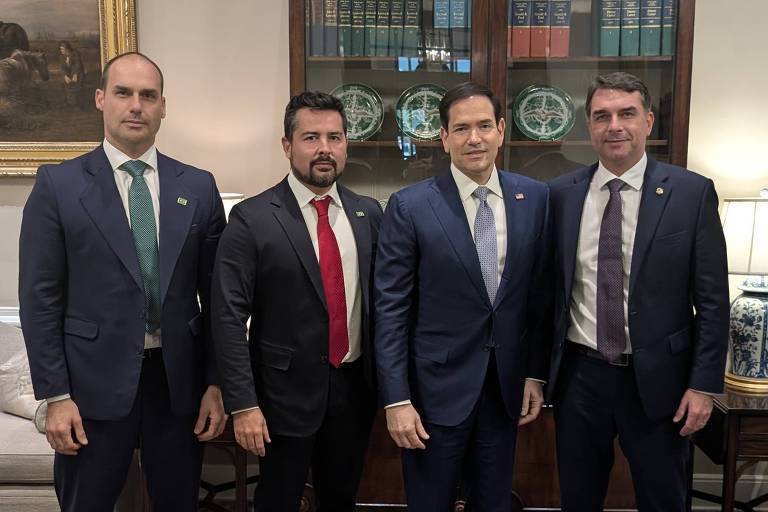
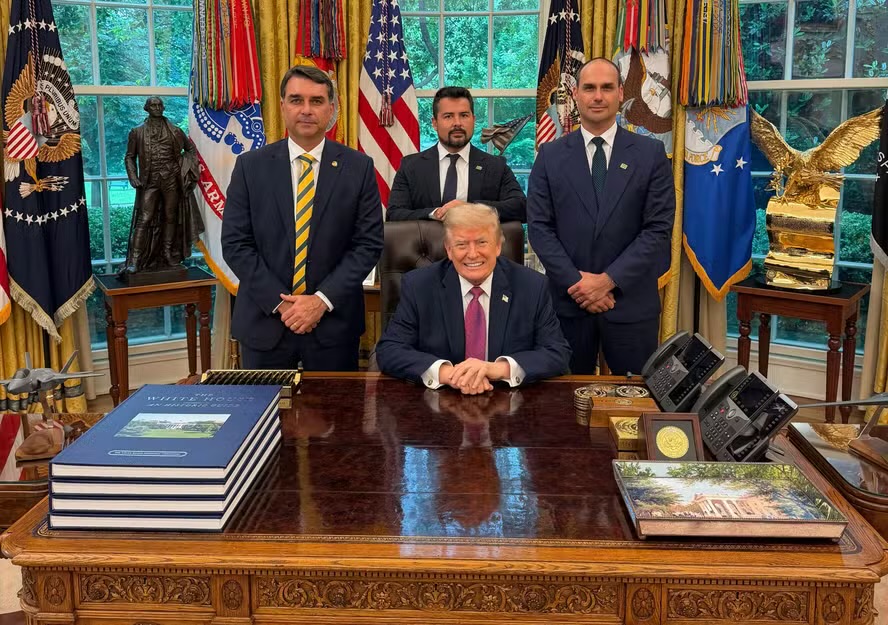
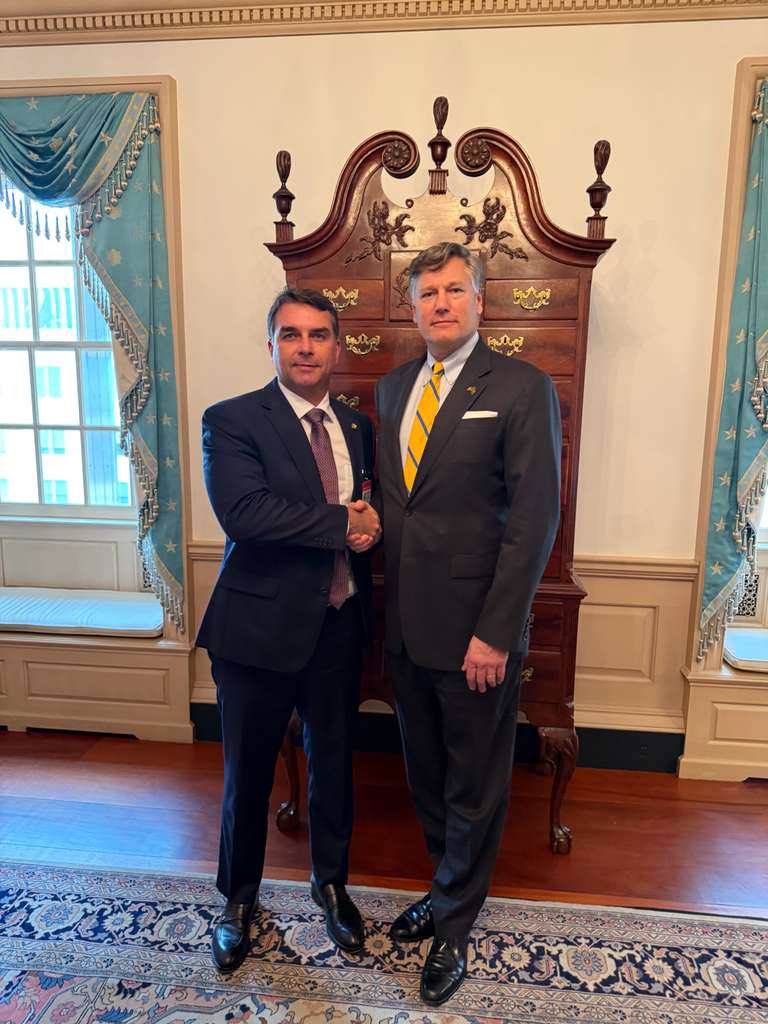
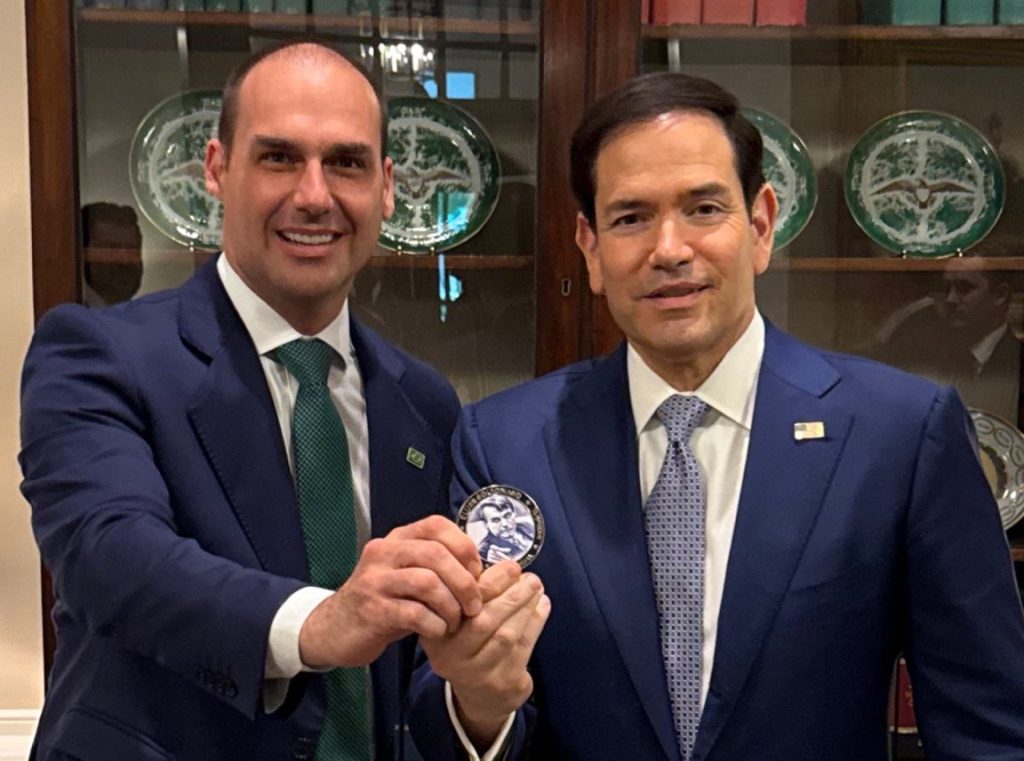
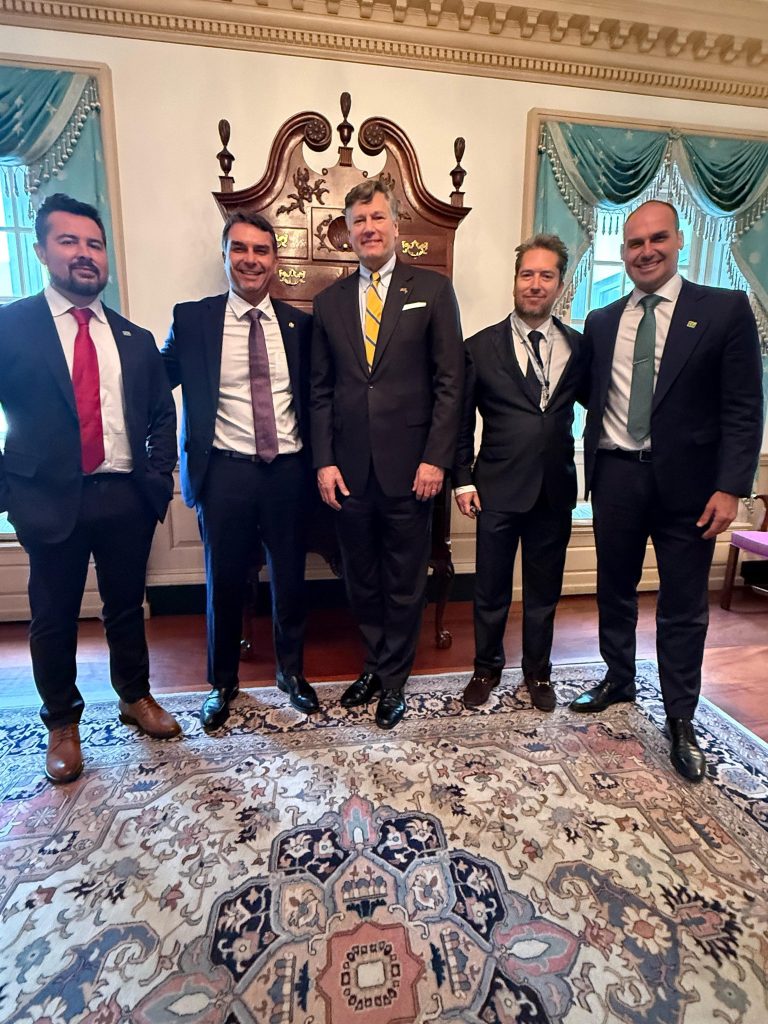
This development carries profound consequences. First, it cements Flávio’s position as the natural heir to Jair Bolsonaro’s movement. By directly engaging Trump on designating violent gangs as terrorists, Flávio is prioritizing Brazilian lives over political correctness. These groups have terrorized cities, fueled drug trafficking, and destabilized entire regions. Under Lula, Brazil has cozied up to international forums that treat criminals with kid gloves while law-abiding citizens suffer. Flávio’s approach signals a return to common-sense governance: secure borders, dismantled criminal empires, and restored investor confidence.
Economically, the shift matters. Business leaders remember the Bolsonaro era’s pre-pandemic growth, pension reform successes, and efforts to tame inflation. They see Flávio as the candidate who can deliver stability against PT-style populism, endless spending, and favoritism toward corrupt unions and foreign ideological partners. A unified business-right coalition could translate into campaign resources, policy influence, and voter turnout that overwhelms Lula’s machine in key states.
Should we expect a reaction from the PT? Absolutely—and it will likely be furious but predictable. The Workers’ Party thrives on victimhood, conspiracy theories, and attacks on conservatives. Expect a wave of coordinated outrage: claims of “foreign interference,” renewed pushes to criminalize opposition voices, and media allies amplifying every negative angle on the Trump meeting. Lula’s circle may even escalate judicial maneuvers or international complaints, desperate to distract from Brazil’s ongoing struggles with crime, economic stagnation, and governance failures. Yet such overreach often backfires, energizing the conservative base and exposing PT authoritarian instincts.
The broader consequence is clear: Brazil’s 2026 contest is sharpening into a battle between outdated leftism and a revitalized right. Flávio Bolsonaro’s White House moment isn’t an isolated event—it’s a signal that conservative principles, strong alliances with America First leadership, and unapologetic focus on security are resonating where it counts. As businessmen double down and criminal networks face unprecedented scrutiny, the PT faces its toughest challenge yet. For patriots tired of decline, the path forward looks increasingly promising.