


Senate Shields Lula Ally Amid Corruption Probe: Another Chapter in Brazil’s Cycle of Elite Protection
By Hotspotnews
In a move that should surprise no one familiar with Brazil’s entrenched political class, Senate President Davi Alcolumbre has rushed to the defense of Senator Jaques Wagner, the PT heavyweight and former government leader now ensnared in a police investigation. On June 19, 2026, Brazil’s Federal Police launched the 9th phase of Operation Compliance Zero, raiding Wagner’s residence and related addresses over allegations that he received improper benefits—including payments, an apartment negotiation in Salvador, and flights aboard private jets linked to businessman Daniel Vorcaro and Banco Master—in exchange for political favors in Congress.
Rather than allowing the investigation to proceed unimpeded, Alcolumbre announced on June 30 that the Senate’s legal team is preparing filings to intervene directly at the Supreme Federal Court. The stated goal is to safeguard Wagner’s “parliamentary prerogatives” and ensure he can fully exercise his mandate. What this really means is clear: the institutions are once again circling the wagons to protect one of their own from accountability. Wagner, who stepped down as government leader in the Senate, denies the charges and claims any legislative action he took was meant to protect consumers by limiting interest rates.
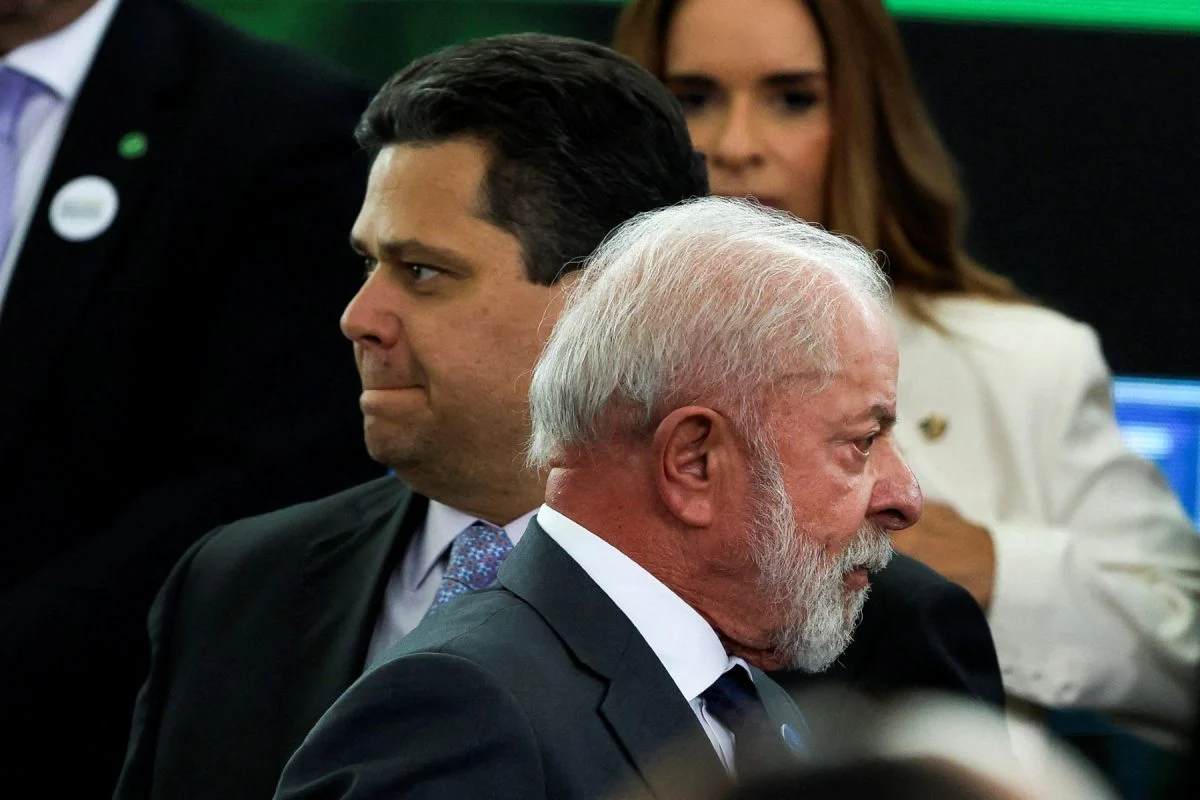
Wagner has long been a key Lula da Silva confidant. Images of Lula whispering closely with him during Senate sessions only underscore the tight alliance at the heart of this controversy. Adding insult to fiscal injury, the government continues to rely on massive foreign loans—rubber-stamped by the Senate—to paper over its inability to deliver infrastructure without endless borrowing. While hardworking Brazilians face inflation, taxes, and economic stagnation, the political elite in Brasília secure billion-dollar lifelines from abroad and then cry foul when law enforcement dares to examine the strings attached. This is not governance; it is cronyism dressed up as institutional defense.
Conservatives have long warned that the PT’s return to power would revive the culture of impunity that defined the party’s earlier scandals. Time after time, investigations into corruption are met not with reforms but with procedural shields, friendly court maneuvers, and public deflection. The criminalization of politics? Only when it threatens the left’s grip on power. Ordinary citizens demanding clean government and fiscal responsibility are dismissed as extremists, while senators under a cloud of suspicion have their mandates fiercely guarded.
Brazil deserves better than this revolving door of protection rackets. True reform requires breaking the cartel of insiders who treat public office as a shield against scrutiny. Until the Senate prioritizes the people over its privileged members, and until the justice system applies the same standards to all regardless of party affiliation, the cycle of scandals, loans, and excuses will continue—leaving the nation’s future mortgaged to political convenience. The Brazilian people are watching, and their patience with this establishment game is wearing thin.