

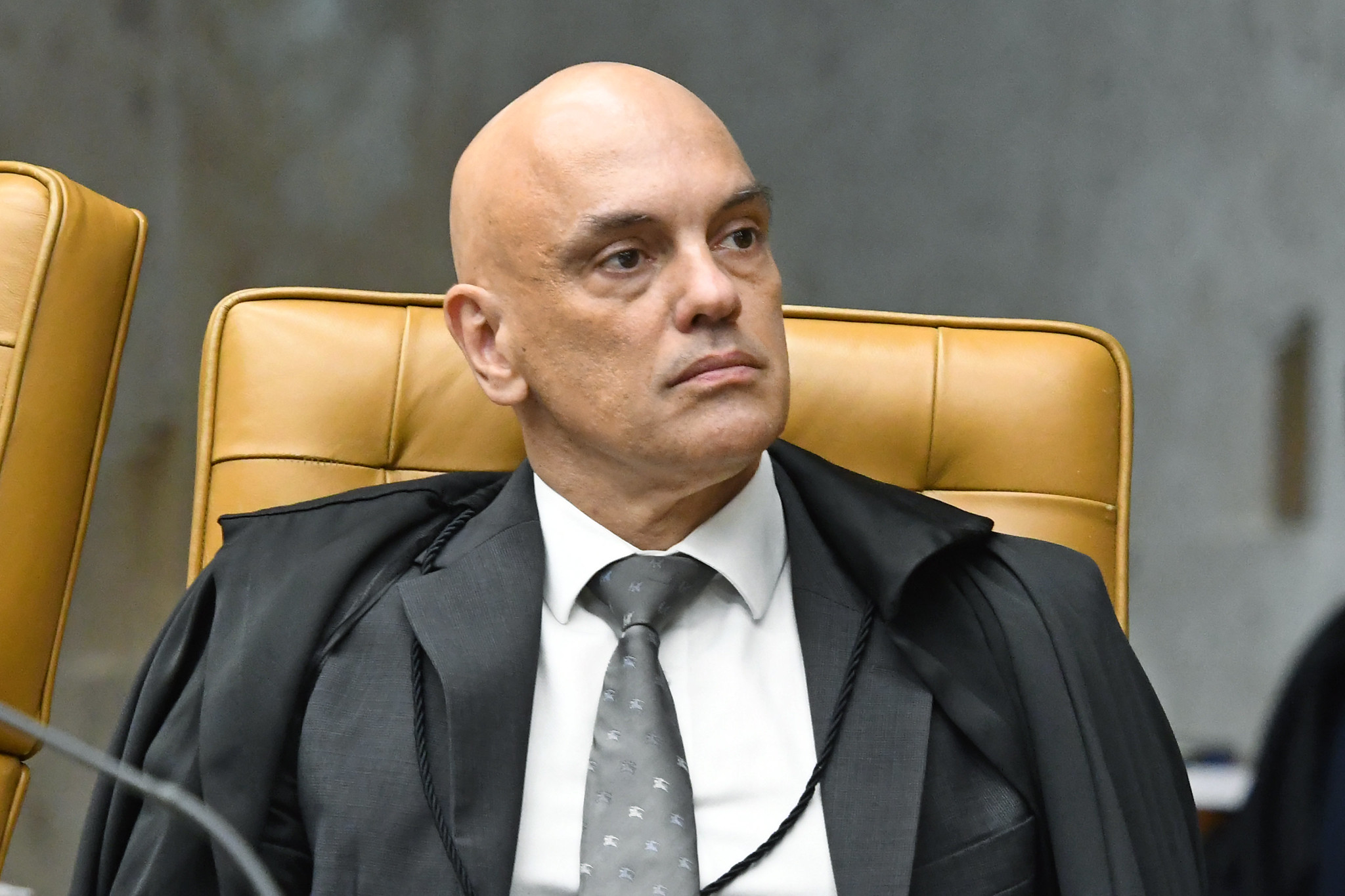

Corruption at the Highest Levels: Brazilian Supreme Court Justice’s Wife Sends Massive Legal Services Contract to Scandal-Plagued Banker
In explosive new evidence uncovered by Brazil’s Federal Police, Viviane Barci de Moraes — wife of powerful Supreme Court Justice Alexandre de Moraes — personally sent a R$129 million legal services contract directly to Daniel Vorcaro, the owner of the now-liquidated Banco Master.
The contract, signed in January 2024, was not a vague arrangement. It explicitly called for prestação de serviços jurídicos — comprehensive legal consultancy and representation for the bank. This included regulatory defense before the Central Bank, tax matters with federal revenue authorities, legislative advocacy in Congress, and general corporate legal support. The agreement structured payments at approximately R$3.6 million per month over three years, a sum that dwarfs standard fees for even elite Brazilian law firms, especially a relatively small family-run office.
Jason Miller, former senior advisor to President Donald J. Trump and a staunch advocate for democratic accountability, captured the outrage with a single, damning “Oh…” on X. That understated reaction perfectly encapsulates the disbelief felt by millions witnessing what appears to be textbook influence peddling at the pinnacle of Brazilian power.
Moraes has spent years positioning himself as Brazil’s iron-fisted defender of institutions, issuing sweeping censorship orders against political opponents, journalists, and platforms like X. Yet while he polices the speech of ordinary citizens, his wife’s firm was reportedly receiving millions in priority payments from a bank entangled in fraud investigations. Vorcaro treated these disbursements as high-priority even as regulators closed in and the bank ultimately collapsed into liquidation.
This is not arm’s-length business. Police-recovered WhatsApp messages show Barci sending the contract draft straight to Vorcaro. The timing — just as Banco Master faced mounting legal and regulatory pressure — raises unavoidable questions about whether the enormous fees were purely for routine legal work or something far more transactional. The law firm has defended the deal as legitimate consultancy with no direct involvement in Supreme Court cases. Many Brazilians, however, see it as the very definition of conflict of interest.
Conservatives have warned for years that Brazil’s Supreme Court has become an unaccountable super-legislature. When a single justice can silence dissent, influence elections, and — through family ties — command extraordinary financial arrangements with troubled financial players, the system no longer serves justice. It serves the powerful.
The Brazilian people deserve transparency. They deserve a judiciary that applies the same standards to its own members that it imposes on everyone else. Jason Miller’s pointed reaction is a clarion call: elites who lecture the world about democracy while enriching themselves through opaque deals erode public trust and invite reform — or worse, backlash.
The sunlight of accountability is long overdue. Brazilians must demand it before the rot spreads further.