


Tariffs on Brazil: A Risky Game of Blame, Leverage, Retaliation—and Electoral Cliffhanger
By Hotspotnews
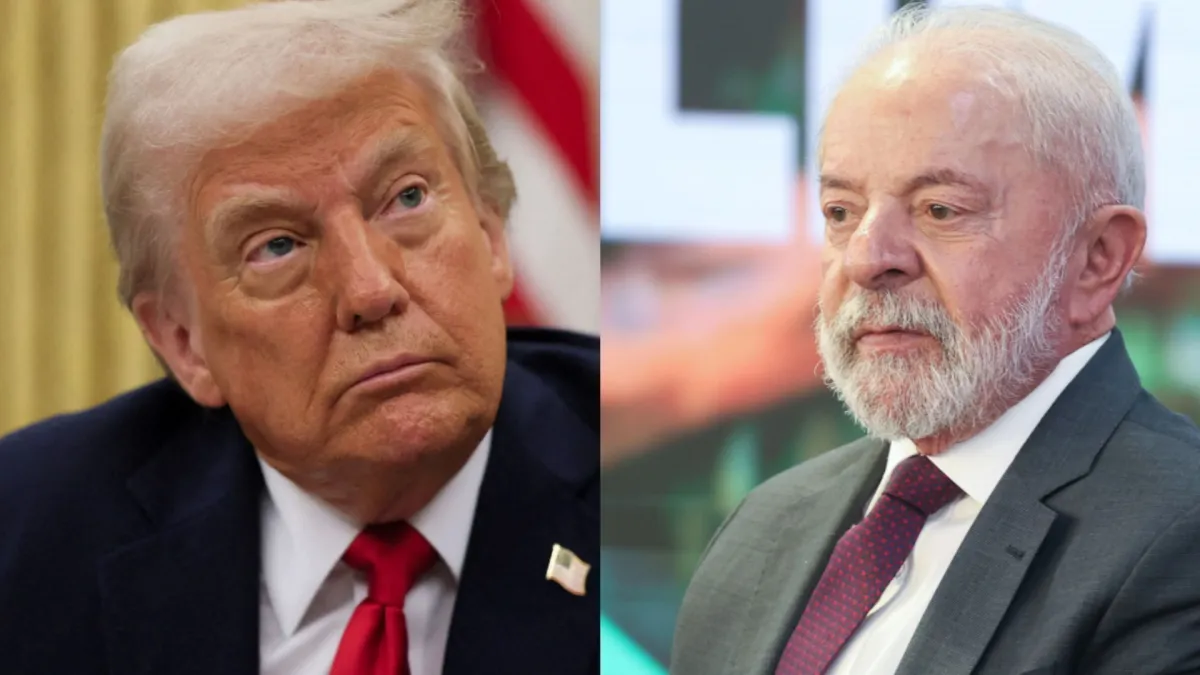
The announcement that the United States would impose a 25% tariff on most Brazilian imports marks a significant escalation in bilateral tensions. Framed by U.S. Secretary of State Marco Rubio as a direct consequence of Brazilian President Luiz Inácio Lula da Silva’s “ego” and refusal to negotiate in good faith, the move invokes Section 301 of U.S. trade law. It targets alleged unfair practices ranging from digital trade barriers and weak intellectual property protections to insufficient anti-corruption efforts, illegal deforestation, and restrictive ethanol policies.
This is not an isolated shot across the bow. It represents the first major application of the Trump administration’s renewed aggressive tariff strategy under Section 301, following earlier proposals in June 2026. While exemptions exist for key items such as beef, coffee, certain rare earths, pharmaceuticals, oil, and some aircraft equipment, the tariffs still threaten a substantial portion of the roughly $40 billion in annual Brazilian goods exports to the U.S.
The U.S. Perspective and Justification
From Washington’s viewpoint, these tariffs serve as legitimate leverage to correct imbalances and force concessions. The U.S. has long maintained a goods and services trade surplus with Brazil. American officials argue that Brazilian policies burden U.S. commerce: restrictions on digital platforms and payment systems, preferences for goods from other nations, lax enforcement on IP and corruption, environmental concerns tied to deforestation, and barriers that limited U.S. ethanol access.
Rubio’s public statement personalizes the dispute, portraying Lula as prioritizing ego over the welfare of Brazilians and Americans alike. This aligns with a broader “America First” approach that treats tariffs as a tool to extract better deals, protect domestic industries, and address perceived unfairness. Proponents see it as correcting long-standing issues where multilateral rules have failed to deliver reciprocity. With Brazil positioned as the initial target in a wider campaign, the message is clear: negotiate seriously or face economic pressure.
Brazilian Reactions: Rejection, Reciprocity, and Political Blame
Brazil’s response has been swift and uncompromising. In an official statement, the government repudiated the tariffs as unilateral and lacking justification under multilateral rules. It pointed to the U.S. trade surplus, low average tariffs Brazil applies to American goods, and its own good-faith negotiations throughout the year, including evidence presented to counter U.S. claims on PIX, digital regulation, and deforestation progress since 2023.
Critically, Brazil explicitly blamed the Bolsonaro family—particularly Senator Flávio Bolsonaro—for lobbying and encouraging the U.S. measures for domestic political gain. This accusation frames the tariffs not just as a trade dispute but as interference enabled by Brazilian opposition figures. Lula’s administration emphasizes sovereignty, rejecting any “tutelage” from Washington.
Domestically, reactions are polarized along familiar lines. Supporters of the government rally around narratives of defending national interests against external pressure and “false patriots.” Critics argue that Lula’s foreign policy—marked by criticism of U.S. positions and warmer ties with China—provoked the outcome and that better diplomacy could have averted it. Public discourse reflects this divide, with some decrying “Tariff Lula” and others highlighting the role of right-wing figures.
Economic and Broader Consequences, Including the Electoral Cliffhanger
The immediate economic fallout will be uneven but real. For Brazil, affected exporters—particularly in sectors like sugar, pig iron, industrial goods, and other non-exempt categories—face higher barriers to the U.S. market. While Brazil’s overall exports to the U.S. represent a modest share of GDP, concentrated hits could pressure specific industries, jobs, and regional economies. Past tariff episodes prompted rapid redirection toward China and other markets, accelerating diversification but also increasing dependence on fewer buyers and introducing new risks.
For the United States, tariffs function as a tax on imports, likely raising costs for American businesses and consumers on affected Brazilian products. Supply chains could face disruptions. While some domestic producers might gain, the net effect often includes higher prices and inefficiencies.
Diplomatically, the move strains relations and reinforces perceptions of U.S. unilateralism in Latin America. It could push Brazil further toward non-alignment or closer partnerships elsewhere.
Complicating everything is Brazil’s October 2026 presidential election—just months away. This creates a high-stakes cliffhanger. Under current leadership, the window for a comprehensive deal is narrow, with focus on retaliation, legal challenges at the WTO, and short-term protections. A prolonged Lula term (if re-elected) risks four years of recurring friction: intermittent tariffs and countermeasures, sustained policy divergence, higher costs for both sides, and missed opportunities for deeper integration. Economic decay could manifest through slower growth, investment hesitation, inflationary pressures, and polarized politics that hinder reforms.
The best-case scenario would involve a change in government following the election. A more market-oriented, pragmatic successor—potentially from the center-right or aligned with figures emphasizing stronger U.S. ties—could dramatically shift the trajectory. Such a government would likely prioritize rapid de-escalation, targeted concessions on U.S. concerns (digital rules, IP enforcement, investment climate), and balanced reciprocity that protects Brazilian sovereignty while unlocking market access. This reset could occur within 6–12 months post-inauguration (early 2027), leading to:
- Partial or phased tariff relief and exemptions.
- Bilateral agreements that address root issues without broad economic pain.
- Stabilized trade flows, renewed investment, and reduced reliance on volatile diversification.
- Lower domestic polarization, as improved relations deliver tangible wins on jobs and growth.
In this optimistic path, the election acts as a circuit breaker: short-term pain gives way to pragmatic governance that aligns incentives, benefits consumers and producers on both sides, and models constructive great-power engagement in the hemisphere. Historical leadership transitions in Brazil have often enabled such policy pivots when economic realities demand it.
Next Steps and Pathways Forward
Short-term, expect Brazilian reciprocity measures, continued negotiations on the margins, and market volatility as the election approaches. Medium-term, the vote itself becomes the pivotal variable—potentially opening a clearer path through continuity with adjustment or a sharper pivot under new leadership.
The wiser overall path involves de-escalation regardless of who wins. Both sides have incentives to talk: the U.S. benefits from stable Latin American partnerships amid global competition, while Brazil gains from access to the large U.S. market. Addressing legitimate concerns through bilateral mechanisms or reformed multilateral forums would be more constructive than prolonged tariffs that raise costs for ordinary citizens.
This episode underscores the fragility of trade relations in an era of great-power competition and domestic politics. Punitive measures can extract short-term leverage but risk fragmenting supply chains, inflating prices, and entrenching divisions. Brazil and the United States share deep economic complementarities; the coming election offers a chance to prove that pragmatic resets are possible. In the best outcome, voters and leaders choose de-escalation and mutual benefit over extended contention—turning today’s darkness into a manageable chapter rather than a decade of decay.