


Brazil’s Tariff Dance with Trump: A Weak Play from a Weak Hand
*By A Conservative Voice, April 2, 2025*
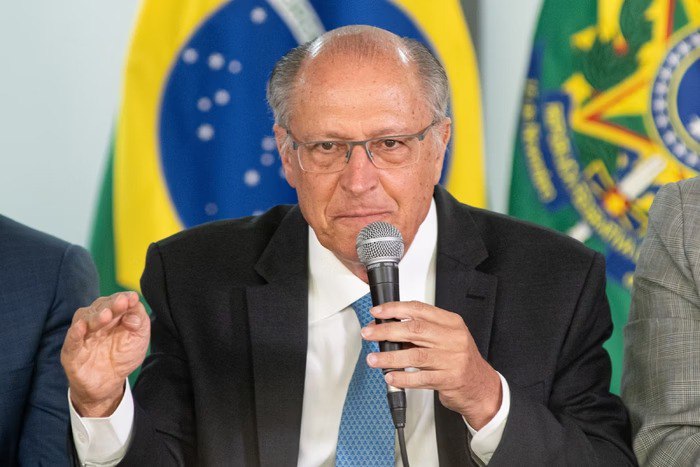
April2, 2025. Hotspotorlando News. Brazilian Vice President Geraldo Alckmin has made it clear: his country will sit tight, waiting for President Donald Trump to unveil his next tariff move before deciding how to respond. Alckmin’s plan? Keep talking to American authorities, hoping to charm his way out of the economic crosshairs. It’s a strategy that sounds reasonable—until you realize it’s a timid dodge from a nation that’s misreading the game. From a conservative standpoint, this isn’t just hesitation; it’s a surrender of leverage to a U.S. administration that thrives on strength, not hand-holding.
Trump’s America First: A Winning Formula
Let’s start with the obvious: Trump’s tariffs aren’t about punishing Brazil—they’re about protecting American workers. Steel and aluminum tariffs, like the 25% levies already in place, aren’t personal; they’re a national security play under Section 232, ensuring the U.S. isn’t reliant on foreign metals when push comes to shove.
Brazil, shipping 3.4 million tons of steel slabs to the U.S. in 2024, might cry foul, but conservatives see this as common sense. Why should American steelworkers in Pennsylvania or Ohio lose out just so Brazil can pad its export numbers? Trump’s “America First” isn’t a negotiation—it’s a promise kept to the heartland.
Alckmin’s response—waiting and talking—misses the point. Trump doesn’t bend for polite chit-chat. He respects action, not pleas. When he threatened tariffs on Brazil in 2019, then backed off after a quick deal, it wasn’t because of diplomacy; it was because Brazil blinked first with a quota system.
That’s the lesson Alckmin should’ve learned: Trump rewards strength, not patience.
Brazil’s Misstep: Dialogue Won’t Cut It
Alckmin’s obsession with dialogue reeks of the same globalist nonsense conservatives have long rejected. He’s banking on a “win-win” trade relationship—pointing to the U.S.’s $253 million surplus with Brazil in 2024—as if that’ll sway Trump. Newsflash: surpluses don’t matter when the goal is bringing jobs back home. Brazil’s steel exports might be a boon for its economy, but they’re a drain on ours. Alckmin’s call with Commerce Secretary Howard Lutnick in March 2025 might’ve been “positive,” but conservatives know talk is cheap. Trump’s team isn’t here to play nice—they’re here to win.
Worse, Alckmin’s wait-and-see approach hands Trump the driver’s seat. By delaying, Brazil gives the U.S. time to lock in its policy, leaving Brasília scrambling to react. If Trump slaps a 100% tariff on BRICS nations—as he’s hinted—Brazil’s steel industry will be toast, and all the dialogue in the world won’t save it. Conservatives admire decisiveness, not dithering. Brazil should be prepping countermeasures now—targeting U.S. exports like soybeans, where it’s got real leverage—instead of hoping for a handshake.
The Sovereignty Angle
Here’s where conservatives can nod to Brazil’s predicament, though: every nation’s got a right to protect its own. If Trump can wield tariffs for American sovereignty, Brazil’s got the same play. President Lula’s talk of “reciprocity” taxing U.S. goods makes sense—hit back where it hurts. But Alckmin’s soft-pedaling undercuts that. His “not eye for an eye” line from X posts this week sounds like a man afraid to fight. Conservatives respect a fair scrap—Brazil should stand up, not sit back.
The Bigger Picture: BRICS and Beyond
Trump’s not just eyeing Brazil—he’s got China and India in his sights, too. Labeling Brazil a “tremendous tariff-maker” alongside those BRICS buddies in January 2025 wasn’t random. Conservatives see this as a masterstroke: kneecap emerging rivals before they gang up. Alckmin’s diplomatic dance might work with bureaucrats, but Trump’s a brawler. Brazil’s cozying up to BRICS won’t earn it a pass—it’ll make it a bigger target.
Alckmin’s strategy might play well in leftist circles or at the World Trade Organization, where Lula’s threatened to cry foul. But conservatives know that’s a loser’s game—WTO complaints take years, and Trump’s tariffs hit now. Brazil’s got a choice: keep waiting like a deer in headlights or show some spine and fight for its own interests. Trump respects strength—he’ll steamroll weakness. Alckmin’s betting on the wrong horse, and American workers will be the ones cheering when the dust settles.
the Hotspotorlando News